
Why a Financial Plan is Crucial for Your Startup
Starting a business is exciting, but it's also fraught with financial risks. A robust financial plan is your roadmap, guiding you through the initial hurdles and helping you make informed decisions. It's not just about securing funding; it's about understanding your business's financial viability, projecting future performance, and mitigating potential pitfalls. Without a solid financial plan, your startup is essentially navigating uncharted waters without a compass.
Think of your financial plan as a living document that evolves with your business. It's not something you create once and forget about. It needs to be reviewed and updated regularly to reflect changes in the market, your business strategy, and your overall financial performance. This proactive approach will allow you to adapt to challenges and capitalize on opportunities as they arise.
Key Components of a Financial Plan
A comprehensive financial plan should include several key components, each providing a different perspective on your business's financial health. Let's break down these components:
1. Executive Summary
The executive summary is a brief overview of your entire financial plan. It should highlight the key assumptions, projections, and funding requests. Think of it as an elevator pitch for your financial plan. It should be concise, compelling, and easy to understand, even for someone who isn't a financial expert. This is usually written last, after you've completed the other sections.
2. Startup Costs
Clearly outline all the costs associated with launching your business. This includes everything from legal fees and permits to equipment purchases and initial marketing expenses. Be as detailed as possible, breaking down each cost item into its individual components. Don't underestimate the importance of accurately estimating your startup costs; underestimating can lead to cash flow problems down the line. Consider both one-time costs (like purchasing equipment) and recurring costs (like rent and utilities).
3. Revenue Projections
Project your anticipated revenue streams for the next 3-5 years. This is where you'll need to make realistic assumptions about your sales volume, pricing, and market demand. Research your target market thoroughly and use data to support your projections. Consider different scenarios (best case, worst case, and most likely) to understand the potential range of outcomes. Be sure to clearly state your assumptions about market growth, competition, and customer acquisition costs.
4. Expense Projections
Similar to revenue projections, project your anticipated expenses for the next 3-5 years. This includes both fixed expenses (like rent and salaries) and variable expenses (like cost of goods sold and marketing expenses). Be conservative in your expense projections, as it's always better to overestimate expenses than to underestimate them. Consider all potential expenses, including those that might not be immediately obvious, such as insurance, maintenance, and professional fees.
5. Cash Flow Statement
The cash flow statement tracks the movement of cash into and out of your business. It shows how much cash you have on hand at any given time, and how much cash you expect to generate or consume in the future. This is a critical tool for managing your cash flow and ensuring that you have enough cash to meet your obligations. Project your cash flow on a monthly basis for the first year, and then quarterly or annually for the subsequent years. Identify potential cash flow shortfalls and develop strategies to address them.
6. Profit and Loss (P&L) Statement
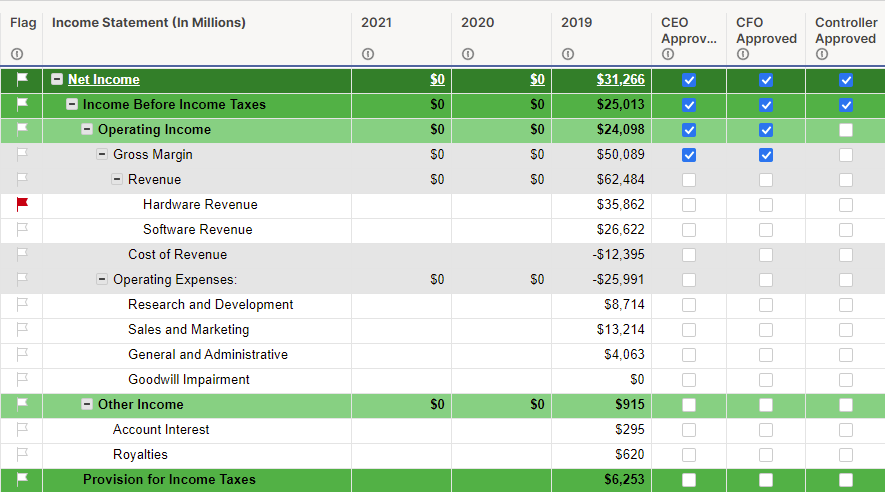
The profit and loss (P&L) statement, also known as an income statement, summarizes your business's revenues, expenses, and profits (or losses) over a specific period of time. This statement provides a clear picture of your business's profitability. Project your P&L statement for the next 3-5 years, showing your expected revenues, cost of goods sold, operating expenses, and net profit. Use this statement to identify areas where you can improve profitability, such as reducing expenses or increasing sales.
7. Balance Sheet
The balance sheet provides a snapshot of your business's assets, liabilities, and equity at a specific point in time. It shows what your business owns (assets), what it owes (liabilities), and the owner's stake in the business (equity). Project your balance sheet for the next 3-5 years, showing your expected assets, liabilities, and equity. This statement provides a comprehensive view of your business's financial position and can be used to assess its solvency and financial stability.
8. Break-Even Analysis
Determine the point at which your business's revenues equal its expenses. This is your break-even point. Understanding your break-even point is crucial for setting realistic sales targets and managing your costs. Calculate your break-even point in terms of both units sold and revenue generated. This analysis will help you understand how much you need to sell to cover your costs and start making a profit.
9. Funding Request (if applicable)
If you're seeking funding from investors or lenders, clearly state the amount of funding you need, how you plan to use the funds, and your proposed repayment terms. Provide a compelling case for why investors or lenders should invest in your business. Include detailed information about your business plan, market opportunity, and management team. Be prepared to answer questions about your financial projections and your business strategy.
Tools and Resources for Creating a Financial Plan
Fortunately, you don't have to be a financial wizard to create a solid financial plan. There are numerous tools and resources available to help you:
1. Spreadsheet Software (e.g., Microsoft Excel, Google Sheets)
Spreadsheet software is an essential tool for creating financial projections and performing financial analysis. These programs allow you to create formulas, charts, and graphs to visualize your financial data. There are also numerous templates available online that can help you get started.
2. Accounting Software (e.g., QuickBooks, Xero)
Accounting software can help you track your income and expenses, manage your cash flow, and generate financial reports. These programs can also integrate with other business tools, such as CRM systems and e-commerce platforms.
3. Online Financial Planning Tools
Several online tools are specifically designed to help entrepreneurs create financial plans. These tools often provide templates, tutorials, and expert advice to guide you through the process. Examples include LivePlan and Bizplan.
4. Business Mentors and Advisors
Don't hesitate to seek guidance from experienced business mentors or financial advisors. They can provide valuable insights and help you avoid common pitfalls. Organizations like SCORE offer free or low-cost mentoring services to entrepreneurs.
Tips for Optimizing Your Financial Plan
Here are a few tips to help you create a financial plan that is both accurate and effective:
1. Be Realistic
Avoid overly optimistic assumptions. It's always better to be conservative in your projections and to underestimate revenues and overestimate expenses.
2. Do Your Research
Thoroughly research your target market, industry trends, and competitive landscape. Use data to support your assumptions and projections.
3. Regularly Review and Update Your Plan
Your financial plan should be a living document that is reviewed and updated regularly. As your business evolves, your financial plan should evolve with it.
4. Seek Professional Advice
Don't be afraid to seek advice from financial professionals. They can provide valuable insights and help you avoid costly mistakes.
5. Focus on Cash Flow
Cash flow is the lifeblood of your business. Pay close attention to your cash flow statement and take steps to manage your cash flow effectively.

0 Comments