
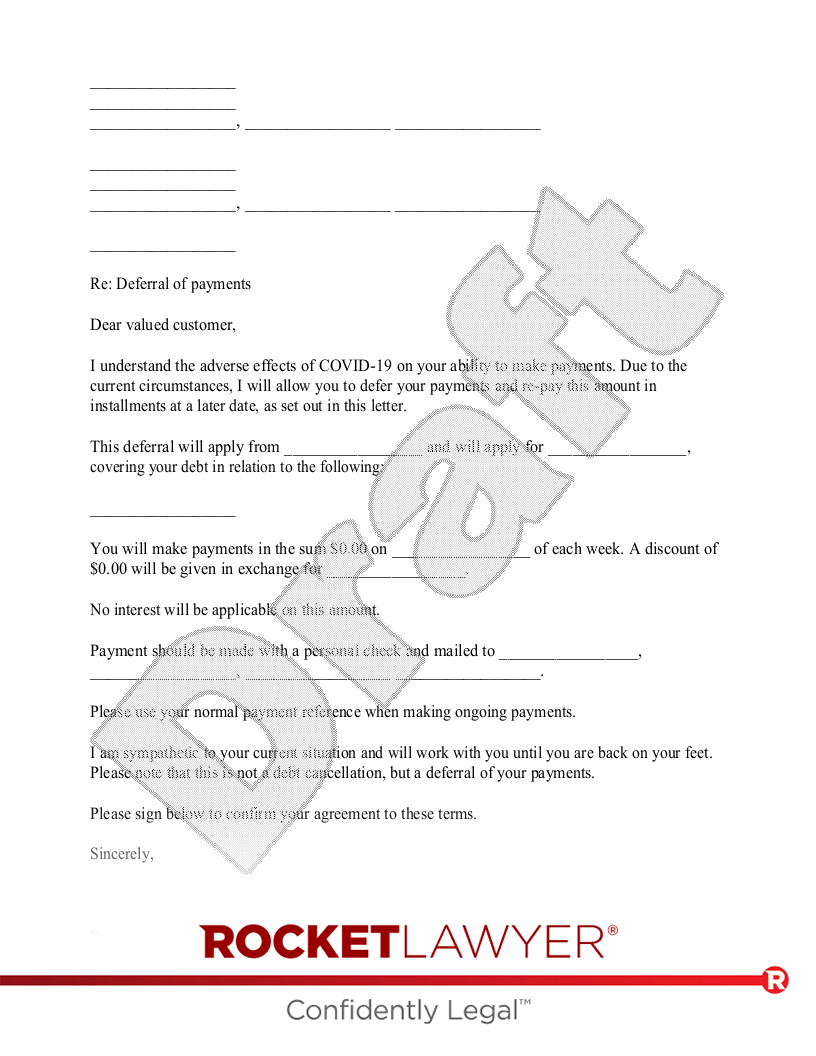
Understanding the Importance of a Debt Repayment Plan
Facing a mountain of debt can feel overwhelming. Credit card bills, student loans, mortgages – the list can seem endless. However, taking control of your finances and creating a solid debt repayment plan is the first crucial step towards financial freedom. A well-structured plan not only helps you pay off your debts faster but also reduces stress and provides a clear roadmap for your financial future.
Without a plan, you might find yourself making minimum payments, which can keep you in debt for years, or even decades. A debt repayment plan template allows you to visualize your debts, prioritize them effectively, and track your progress as you work towards becoming debt-free.
Benefits of Using a Debt Repayment Plan Template
Utilizing a debt repayment plan template offers several advantages:
- Organization: It helps you organize all your debt information in one place.
- Prioritization: It allows you to prioritize debts based on interest rates or amounts owed.
- Motivation: Tracking your progress motivates you to stick to your plan.
- Financial Awareness: It provides a clear picture of your financial situation.
- Reduces Stress: Having a plan reduces the anxiety associated with debt.
Step-by-Step Guide to Creating Your Debt Repayment Plan Template
Here's a comprehensive guide to creating an effective debt repayment plan template. You can use a spreadsheet program like Microsoft Excel or Google Sheets, or even a simple table in a word processor.
Step 1: List All Your Debts
The first step is to gather all the information about your debts. This includes:
- Creditor Name: Who do you owe the money to? (e.g., Visa, Sallie Mae, Chase)
- Type of Debt: What kind of debt is it? (e.g., credit card, student loan, personal loan)
- Outstanding Balance: How much do you currently owe?
- Interest Rate (APR): What is the annual percentage rate?
- Minimum Payment: What is the minimum amount you need to pay each month?
- Due Date: When is the payment due each month?
Create a table with these headings in your chosen program. Fill in the information for each of your debts. Accuracy is crucial here, so double-check all the numbers.
Step 2: Choose a Debt Repayment Method
There are two popular debt repayment methods:
- Debt Avalanche: This method focuses on paying off the debt with the highest interest rate first, while making minimum payments on all other debts. This saves you the most money on interest in the long run.
- Debt Snowball: This method focuses on paying off the debt with the smallest balance first, regardless of the interest rate. This provides quick wins and can be more motivating for some people.
Consider your personality and financial goals when choosing a method. If you're driven by saving money, the debt avalanche is a good choice. If you need motivation and quick wins, the debt snowball might be better for you.
Step 3: Calculate Your Monthly Debt Payments
Now that you've chosen your repayment method, it's time to calculate your monthly payments. If you're using the debt avalanche method, you'll allocate extra money to the debt with the highest interest rate. If you're using the debt snowball method, you'll allocate extra money to the debt with the smallest balance.
Determine how much extra money you can realistically allocate to debt repayment each month. This might involve creating a budget and cutting unnecessary expenses. Be honest with yourself about what you can afford. It's better to start small and gradually increase your payments than to overcommit and fail.
Step 4: Project Your Debt Payoff Timeline
Using your chosen repayment method and your calculated monthly payments, project how long it will take to pay off each debt. You can use online debt payoff calculators to help with this. These calculators will factor in your interest rates, balances, and payment amounts to estimate your payoff dates.
Add columns to your template to track your projected payoff dates. This will give you a visual representation of your progress and help you stay motivated.
Step 5: Track Your Progress and Adjust as Needed
Once your template is complete, it's important to track your progress regularly. Update your template each month with your actual payments and balances. This will allow you to see how you're doing compared to your projections.
Life happens, and your financial situation may change. Be prepared to adjust your debt repayment plan as needed. If you get a raise, you can allocate more money to debt repayment. If you experience an unexpected expense, you may need to temporarily reduce your payments. The key is to stay flexible and adapt to your circumstances.
Step 6: Consider Debt Consolidation or Balance Transfers
Depending on your situation, you might consider debt consolidation or balance transfers to help you pay off your debts faster. Debt consolidation involves taking out a new loan to pay off multiple existing debts. This can simplify your payments and potentially lower your interest rate. Balance transfers involve transferring high-interest credit card balances to a card with a lower interest rate. This can save you money on interest and help you pay off your debt more quickly.
Research your options carefully before considering debt consolidation or balance transfers. Make sure you understand the terms and fees involved. These strategies are not a magic bullet, and they only work if you're committed to paying off your debt.
Example Template Structure in a Spreadsheet
Here's an example of how your debt repayment plan template might look in a spreadsheet program like Excel or Google Sheets:
| Creditor | Type of Debt | Balance | Interest Rate | Minimum Payment | Monthly Payment | Extra Payment | Projected Payoff Date |
|---|---|---|---|---|---|---|---|
| Visa | Credit Card | $5,000 | 18% | $100 | $200 | $100 | [Date] |
| Sallie Mae | Student Loan | $20,000 | 6% | $200 | $200 | $0 | [Date] |
| Chase | Credit Card | $2,000 | 22% | $50 | $150 | $100 | [Date] |
Remember to customize this template to fit your specific needs and circumstances. Add or remove columns as necessary.
Key Takeaways for Effective Debt Repayment
Creating a debt repayment plan template is a powerful tool for taking control of your finances. By following these steps, you can create a plan that works for you and helps you achieve your financial goals. Remember to stay organized, be realistic, and track your progress regularly. With dedication and discipline, you can become debt-free and build a brighter financial future.

0 Comments