
Why Budgeting is Crucial for College Students
College life is an exciting time filled with new experiences, academic challenges, and social opportunities. However, it's also a time when many students face financial pressures. Learning how to create a budget is a fundamental skill that can help you navigate your finances, avoid unnecessary debt, and achieve your financial goals. Without a budget, it's easy to overspend, leading to stress and anxiety. A well-structured budget empowers you to take control of your money and make informed decisions.
Step-by-Step Guide to Creating a College Budget
Creating a budget doesn't have to be complicated. Here's a step-by-step guide to help you get started:
1. Calculate Your Income
The first step is to determine your total income. This includes all sources of money you receive regularly. Common sources of income for college students include:
- Financial Aid: Grants, scholarships, and student loans. Be sure to differentiate between grants/scholarships (free money) and loans (money you need to repay).
- Part-Time Jobs: Earnings from on-campus or off-campus employment.
- Family Contributions: Money received from parents, guardians, or other family members.
- Savings: Funds you've saved up before college.
- Other Income: This could include income from freelancing, investments, or other sources.
Calculate the average amount you receive from each source per month. Be realistic and conservative with your estimates, especially when projecting income from part-time jobs.
2. Track Your Expenses
The next step is to track where your money is going. This will give you a clear picture of your spending habits. There are several ways to track your expenses:
- Budgeting Apps: Apps like Mint, YNAB (You Need A Budget), and Personal Capital can automatically track your transactions and categorize your expenses.
- Spreadsheets: Create a simple spreadsheet using Google Sheets or Microsoft Excel to manually record your income and expenses.
- Notebook: Keep a small notebook and write down every purchase you make.
Track your expenses for at least a month to get an accurate understanding of your spending patterns. Divide your expenses into two categories: fixed and variable.
3. Identify Fixed Expenses
Fixed expenses are those that remain relatively constant each month. These are often essential costs that you can't easily change. Examples of fixed expenses for college students include:
- Tuition and Fees: The cost of your classes and other mandatory fees.
- Rent or Housing Costs: If you live in a dorm or off-campus apartment, this is a significant expense.
- Utilities: Electricity, water, gas, and internet (if not included in your rent).
- Loan Payments: If you have student loans, factor in your monthly payments.
- Transportation Costs: Car payments, insurance, gas, public transportation fares, or parking permits.
4. Categorize Variable Expenses
Variable expenses are those that fluctuate each month. These are often discretionary costs that you can control more easily. Examples of variable expenses include:
- Food: Groceries, dining out, snacks, and coffee.
- Textbooks and School Supplies: Books, notebooks, pens, and other materials needed for your classes.
- Entertainment: Movies, concerts, sporting events, and other leisure activities.
- Personal Care: Toiletries, haircuts, and other personal grooming expenses.
- Clothing: New clothes, shoes, and accessories.
- Social Activities: Going out with friends, attending parties, and other social events.
- Miscellaneous Expenses: Unexpected costs, such as medical bills or car repairs.
5. Create Your Budget
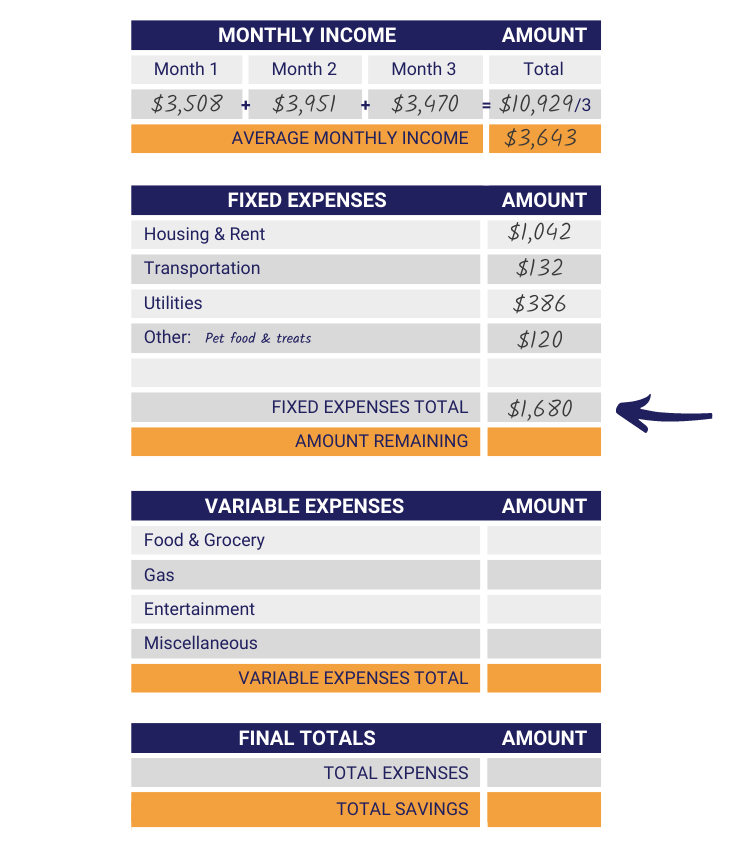
Now that you have a clear understanding of your income and expenses, you can create your budget. Use a spreadsheet, budgeting app, or notebook to list your income and expenses side by side. Calculate the difference between your income and expenses. Ideally, you should have more income than expenses, resulting in a surplus. If your expenses exceed your income, you'll need to make some adjustments.
6. Analyze and Adjust Your Budget
If your expenses are higher than your income, you'll need to identify areas where you can cut back. Here are some strategies to reduce your spending:
- Reduce Dining Out: Cooking at home is significantly cheaper than eating at restaurants.
- Buy Used Textbooks: Save money by buying used textbooks from online retailers or other students.
- Limit Entertainment Expenses: Look for free or discounted entertainment options, such as campus events or student discounts.
- Find Free Activities: Explore free activities on and off campus. Many colleges offer free events, and local parks and libraries often have free programs.
- Cut Unnecessary Subscriptions: Evaluate your subscriptions (streaming services, gym memberships, etc.) and cancel any that you don't use regularly.
- Seek Student Discounts: Many businesses offer discounts to students. Always ask if a student discount is available.
- Shop Smart: Compare prices before making purchases and look for deals and coupons.
Remember that budgeting is an ongoing process. Review your budget regularly (at least once a month) and make adjustments as needed. Your income and expenses may change over time, so it's important to keep your budget up-to-date.
Tips for Sticking to Your Budget
Creating a budget is only half the battle. Sticking to it requires discipline and commitment. Here are some tips to help you stay on track:
- Set Realistic Goals: Don't try to cut back too much too quickly. Start with small, manageable changes.
- Prioritize Your Needs: Focus on covering your essential expenses first, such as tuition, rent, and food.
- Avoid Impulse Purchases: Think carefully before making any non-essential purchases.
- Use Cash: Using cash instead of credit cards can help you stay within your budget.
- Automate Savings: Set up automatic transfers from your checking account to your savings account each month.
- Find an Accountability Partner: Share your budget with a friend or family member who can help you stay on track.
- Reward Yourself: When you achieve your financial goals, reward yourself with a small treat.
Utilizing Student Resources for Financial Assistance
Many colleges and universities offer resources to help students manage their finances. Take advantage of these resources to get personalized advice and support:
- Financial Aid Office: Contact your school's financial aid office for information about grants, scholarships, and student loans.
- Student Counseling Services: Some colleges offer financial counseling services to help students create budgets and manage their debt.
- Career Services: Your school's career services office can help you find part-time jobs and internships.
- Student Organizations: Some student organizations offer financial literacy workshops and resources.
The Long-Term Benefits of Budgeting
Learning how to create a budget in college is an investment in your future. The skills you develop now will serve you well throughout your life. Budgeting can help you:
- Avoid Debt: By managing your finances effectively, you can avoid accumulating unnecessary debt.
- Build Savings: Budgeting allows you to save money for future goals, such as buying a car, traveling, or investing.
- Reduce Stress: Knowing where your money is going can reduce financial stress and improve your overall well-being.
- Achieve Financial Independence: Budgeting empowers you to take control of your finances and achieve your financial goals.

0 Comments