
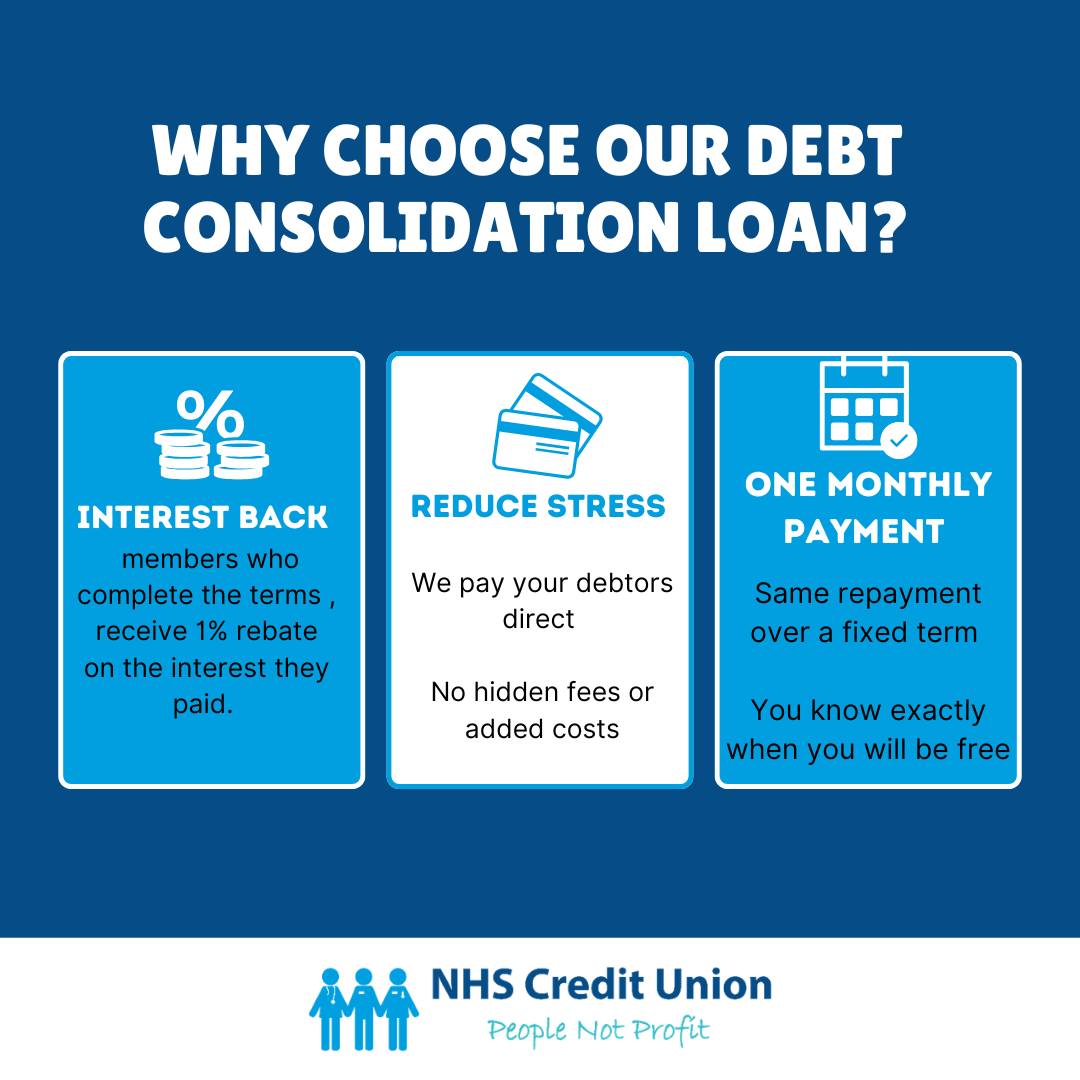
Understanding Debt Consolidation Loans
Debt consolidation loans can be a powerful tool for managing and simplifying your finances. If you're juggling multiple debts with varying interest rates and due dates, a debt consolidation loan allows you to combine these debts into a single loan with a fixed interest rate and a more manageable monthly payment. This can potentially save you money on interest payments and streamline your financial life. However, choosing the right debt consolidation loan is crucial to ensure it truly benefits you in the long run.
Assessing Your Current Debt Situation
Before you even start looking at loan options, you need to have a clear understanding of your current debt situation. This involves identifying all your outstanding debts, their interest rates, and minimum monthly payments. Create a spreadsheet or use a debt management app to track this information effectively.
Calculating Your Total Debt
Add up all your outstanding balances across credit cards, personal loans, medical bills, and any other debts you're considering consolidating. This total will give you an idea of the loan amount you'll need.
Analyzing Interest Rates
Note the interest rate for each debt. High-interest debts, like credit card balances, should be prioritized for consolidation as they are the most expensive to maintain. Lower interest debts might not be worth consolidating if the interest rate on the consolidation loan is higher.
Determining Monthly Payments
Calculate the total amount you're currently paying each month towards your debts. This will serve as a benchmark to compare against the estimated monthly payment of a potential debt consolidation loan. Remember, a lower monthly payment isn't always better if it means extending the loan term and paying more interest overall.
Evaluating Debt Consolidation Loan Options
Once you have a clear picture of your debt situation, you can start exploring different debt consolidation loan options. There are several types of loans available, each with its own pros and cons.
Personal Loans
Personal loans are unsecured loans, meaning they don't require collateral. They are a popular choice for debt consolidation because they offer fixed interest rates and predictable monthly payments. You can typically borrow a lump sum and repay it over a set period, usually ranging from one to seven years. Look for personal loans specifically designed for debt consolidation, as these may offer more favorable terms.
Home Equity Loans and HELOCs
Home equity loans and Home Equity Lines of Credit (HELOCs) are secured loans that use your home as collateral. This allows you to potentially borrow larger amounts at lower interest rates. However, keep in mind that if you fail to repay the loan, you risk losing your home. HELOCs offer more flexibility as you can draw funds as needed, while home equity loans provide a lump sum upfront.
Balance Transfer Credit Cards
Balance transfer credit cards allow you to transfer high-interest credit card balances to a new card with a lower introductory interest rate, often 0% for a limited time. This can be a good option if you can pay off the balance within the introductory period. However, be aware of balance transfer fees and the interest rate that will apply after the introductory period ends.
Factors to Consider When Choosing a Loan
Choosing the right debt consolidation loan involves carefully considering several factors to ensure it aligns with your financial goals and capabilities.
Interest Rates
The interest rate is a crucial factor as it directly impacts the total cost of the loan. Compare interest rates from different lenders and consider whether they are fixed or variable. Fixed interest rates provide stability and predictability, while variable rates can fluctuate based on market conditions.
Loan Fees
Be aware of any fees associated with the loan, such as origination fees, prepayment penalties, and late payment fees. These fees can add to the overall cost of the loan and should be factored into your decision.
Loan Terms
The loan term is the length of time you have to repay the loan. A shorter loan term will result in higher monthly payments but lower overall interest paid, while a longer loan term will result in lower monthly payments but higher overall interest paid. Choose a loan term that balances affordability with minimizing interest costs.
Credit Score Requirements
Lenders will assess your credit score to determine your eligibility for a debt consolidation loan and the interest rate they offer. A higher credit score typically qualifies you for lower interest rates. Check your credit score before applying for a loan to get an idea of the interest rates you might be offered.
Lender Reputation
Choose a reputable lender with a solid track record. Research lenders online and read reviews to get an idea of their customer service and loan terms. Avoid lenders who pressure you into taking out a loan or charge excessive fees.
Comparing Loan Offers and Making a Decision
Once you've gathered information from several lenders, it's time to compare loan offers and make a decision. Create a spreadsheet or use a loan comparison tool to analyze the key terms of each offer, including interest rates, fees, loan terms, and monthly payments.
Calculate the Total Cost of Each Loan
Don't just focus on the monthly payment. Calculate the total amount you'll pay over the life of the loan, including interest and fees. This will give you a clear picture of the true cost of each loan.
Consider Your Budget and Financial Goals
Make sure the monthly payment of the debt consolidation loan fits comfortably within your budget. Also, consider your long-term financial goals. Will the loan help you achieve these goals, such as saving for retirement or buying a home?
Read the Fine Print
Before signing any loan agreement, carefully read the fine print to understand all the terms and conditions. Pay attention to any clauses regarding prepayment penalties, late payment fees, and default provisions.
Avoiding Common Debt Consolidation Mistakes
While debt consolidation can be beneficial, it's important to avoid common mistakes that can undermine your efforts.
Closing Credit Card Accounts Prematurely
While it might seem tempting to close credit card accounts after paying them off with a debt consolidation loan, this can actually hurt your credit score. Keeping accounts open (but not using them) can improve your credit utilization ratio, which is a significant factor in your credit score.
Accumulating More Debt
The biggest mistake is to continue accumulating debt after consolidating. Debt consolidation is only effective if you address the underlying spending habits that led to debt in the first place. Create a budget and stick to it to avoid adding new debt.
Ignoring the Root Cause of Debt
Debt consolidation is a tool, not a solution. Take the time to understand why you accumulated debt in the first place. This might involve seeking financial counseling or making lifestyle changes.
Seeking Professional Advice
If you're feeling overwhelmed or unsure about whether debt consolidation is right for you, consider seeking professional advice from a financial advisor or credit counselor. They can help you assess your situation, explore your options, and develop a personalized debt management plan.

0 Comments