
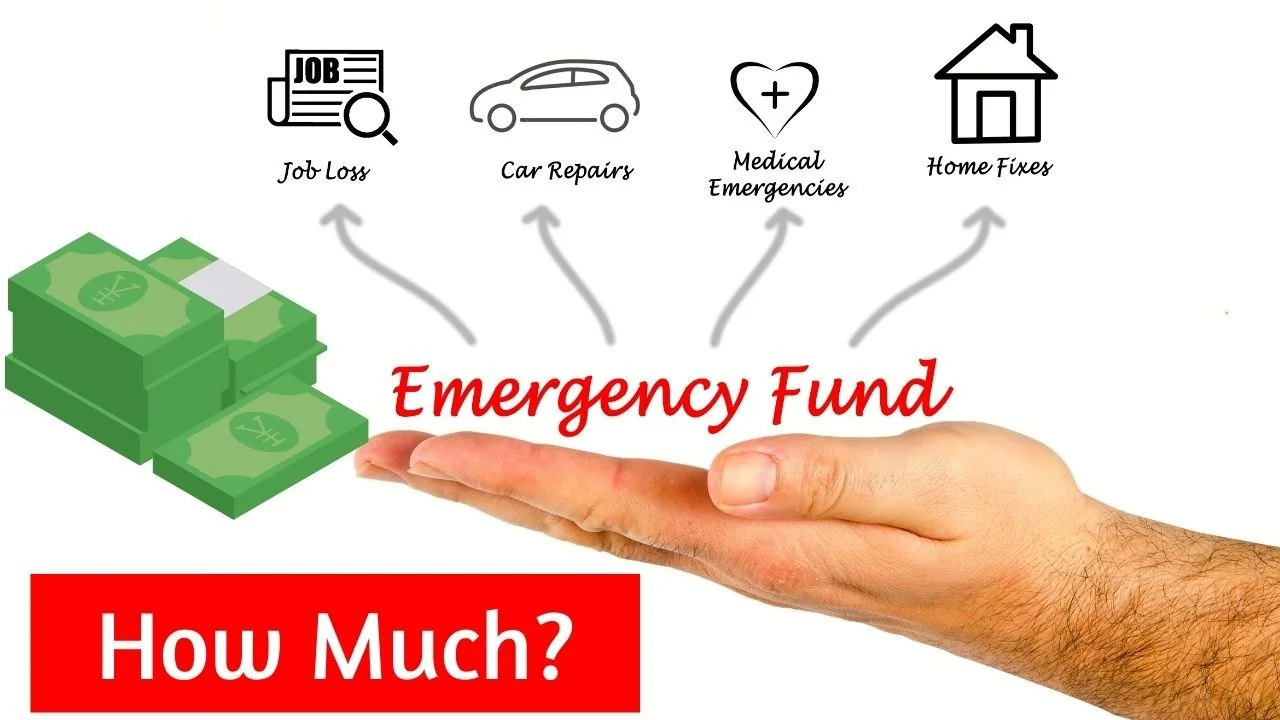
Why You Need an Emergency Fund
Life is unpredictable. Unexpected expenses can pop up at any time, throwing your financial stability into disarray. A job loss, a medical emergency, a car repair – these are just a few examples of situations that can quickly drain your bank account. An emergency fund acts as a financial safety net, providing a cushion to help you weather these storms without resorting to debt. Having an emergency fund reduces stress, provides peace of mind, and allows you to handle unexpected events without derailing your long-term financial goals. It's arguably the most important foundation of sound personal finance.
How Much Should You Save?
The generally accepted rule of thumb is to save 3-6 months' worth of living expenses in your emergency fund. This may seem like a daunting amount, especially if you're starting from scratch. However, it's important to remember that this is a target to aim for, not an immediate requirement. You can start with a smaller goal and gradually increase your savings over time. A good initial goal is $1,000. This can cover many smaller emergencies and give you a sense of accomplishment that will motivate you to continue saving. Consider your individual circumstances when determining your target amount. If you have a stable job and good health insurance, you might be comfortable with a smaller emergency fund. If you're self-employed or have dependents, you may need a larger fund.
Step-by-Step Guide to Building Your Emergency Fund
1. Assess Your Current Financial Situation
Before you start saving, it's crucial to understand where your money is going. Track your income and expenses for at least a month to get a clear picture of your spending habits. You can use budgeting apps, spreadsheets, or even a simple notebook to record your transactions. Identify areas where you can cut back on unnecessary spending. Are you eating out too often? Are there subscriptions you're not using? Even small changes can add up to significant savings over time.
2. Create a Budget
A budget is a roadmap for your money. It helps you allocate your income to different categories, ensuring that you're prioritizing your savings goals. There are many different budgeting methods you can use, such as the 50/30/20 rule (allocating 50% of your income to needs, 30% to wants, and 20% to savings and debt repayment) or the zero-based budget (allocating every dollar to a specific purpose). Choose a method that works best for you and stick to it. Regularly review and adjust your budget as needed to reflect changes in your income or expenses.
3. Set a Realistic Savings Goal
As mentioned earlier, 3-6 months' worth of living expenses is the ideal target for an emergency fund. However, don't let this number overwhelm you. Start with a smaller, more achievable goal, such as $500 or $1,000. Once you reach that goal, you can increase it incrementally until you reach your desired amount. Breaking down your larger goal into smaller, more manageable steps will make the process feel less daunting and more attainable.
4. Automate Your Savings
One of the most effective ways to build an emergency fund is to automate your savings. Set up automatic transfers from your checking account to your savings account on a regular basis, such as weekly or monthly. Even a small amount, like $25 or $50 per week, can add up quickly over time. Automating your savings removes the temptation to spend the money on other things and ensures that you're consistently contributing to your emergency fund.
5. Find Ways to Cut Expenses
Look for areas where you can reduce your spending without sacrificing your quality of life. This could involve negotiating lower rates on your bills, canceling unused subscriptions, cooking more meals at home, or finding free or low-cost entertainment options. Even small savings can make a big difference. Consider negotiating your internet or cable bill, switching to a cheaper phone plan, or using coupons and discounts when shopping. Every dollar saved is a dollar that can go towards your emergency fund.
6. Increase Your Income
If you're struggling to save enough money from your current income, consider finding ways to increase your earnings. This could involve taking on a part-time job, freelancing, selling unwanted items, or asking for a raise at your current job. Even a small increase in income can significantly boost your savings rate. Explore opportunities to earn extra money through online surveys, gig work, or starting a side hustle. The extra income can be dedicated solely to building your emergency fund.
7. Choose the Right Savings Account
Your emergency fund should be kept in a safe and easily accessible account. A high-yield savings account (HYSA) is a great option, as it offers a higher interest rate than a traditional savings account. This allows your money to grow faster while still being readily available when you need it. Compare interest rates and fees from different banks and credit unions to find the best HYSA for your needs. Avoid investing your emergency fund in risky assets, such as stocks or bonds, as you may need to access the money quickly in an emergency.
8. Resist the Temptation to Dip Into Your Fund
Your emergency fund is for true emergencies only, not for impulse purchases or non-essential expenses. Before using your emergency fund, ask yourself if the expense is truly unavoidable and if there are any other options available. Replenish your fund as soon as possible after using it. Treat your emergency fund as a sacred resource and resist the urge to use it for anything other than genuine emergencies. This will ensure that it's available when you truly need it.
9. Track Your Progress and Stay Motivated
Monitor your savings progress regularly and celebrate your milestones. This will help you stay motivated and on track towards your goal. Use a spreadsheet, budgeting app, or even a simple calendar to track your progress. Reward yourself for reaching certain milestones, such as saving your first $500 or $1,000. Remember that building an emergency fund is a marathon, not a sprint. Be patient, persistent, and celebrate your successes along the way.

0 Comments