
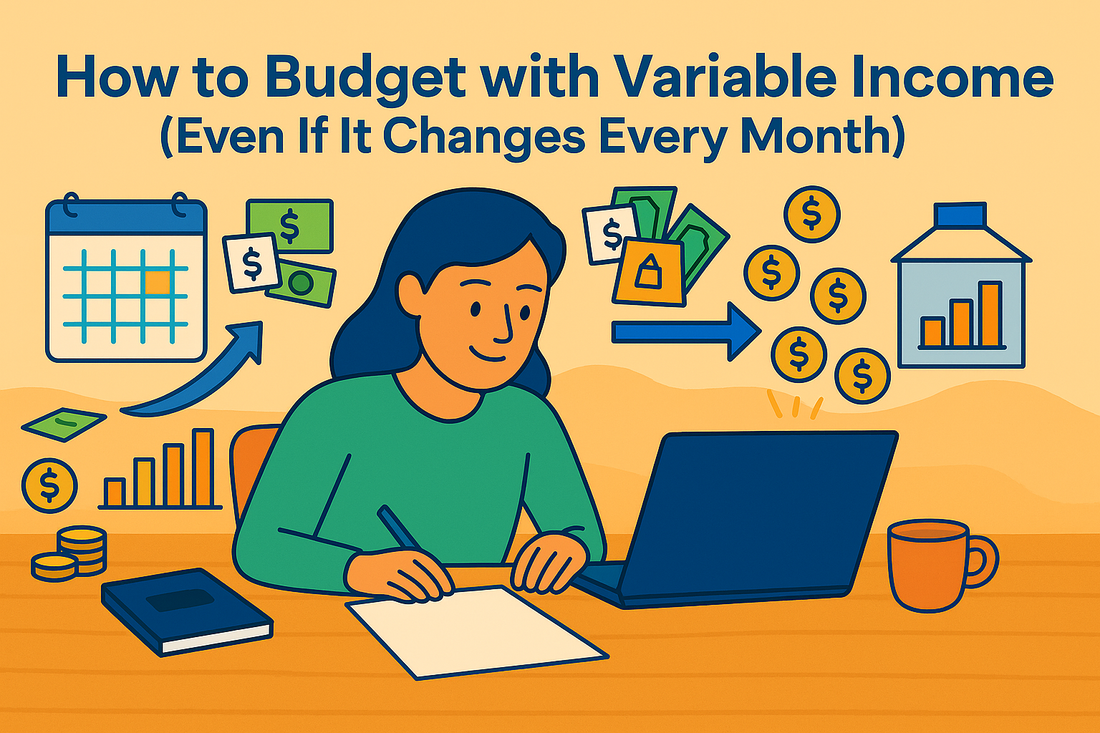
Understanding the Fluctuating Nature of a Nurse's Income
Being a nurse is a rewarding profession, but it often comes with financial complexities. Unlike many salaried positions, nurses frequently experience variable income. This variability can stem from several factors, including overtime hours, shift differentials (for working nights or weekends), on-call pay, and bonuses. Understanding these fluctuations is the first step in effectively managing your finances.
The inconsistency in paychecks can make traditional budgeting methods feel ineffective. A month with ample overtime might lead to a false sense of security, while a slower period could trigger anxiety. This article will provide strategies specifically tailored for nurses navigating the challenges of variable income, helping you achieve financial stability and peace of mind.
Tracking Your Income: The Foundation of a Successful Budget
Before you can create a budget, you need a clear picture of your income. This goes beyond simply knowing your base salary. You need to track your actual earnings over several months to identify patterns and averages.
Methods for Tracking Your Income
There are various methods you can use to track your income accurately:
- Spreadsheet: Create a simple spreadsheet in Excel or Google Sheets. Record each paycheck, noting the base pay, overtime, shift differentials, and any other additions or deductions.
- Budgeting Apps: Utilize budgeting apps like Mint, YNAB (You Need a Budget), or Personal Capital. These apps often have features that allow you to categorize income and track spending automatically.
- Manual Tracking: Keep a notebook or use a dedicated budgeting journal to record your income and expenses manually. While this method is more time-consuming, it can provide a deeper understanding of your spending habits.
Aim to track your income for at least three to six months to get a representative sample. This will help you identify your highest and lowest earning months, as well as your average monthly income.
Calculating Your Average Monthly Income: A Realistic Approach
Once you have several months of income data, you can calculate your average monthly income. This figure will be the cornerstone of your budget. Avoid relying solely on your highest-earning months; instead, focus on a more realistic average.
The Formula for Average Monthly Income
The formula is simple:
Total Income over X Months / X = Average Monthly Income
For example, if you earned $24,000 over six months, your average monthly income would be $4,000 ($24,000 / 6 = $4,000).
It's crucial to be conservative when estimating your average. Consider using a slightly lower figure than your calculated average to account for unforeseen circumstances or potential dips in income.
Building Your Budget: Prioritizing Needs and Wants
With your average monthly income established, you can begin creating your budget. A budget is a plan for how you'll spend your money, ensuring that you cover essential expenses and work towards your financial goals.
The 50/30/20 Rule (Adaptable for Variable Income)
The 50/30/20 rule is a popular budgeting guideline that allocates your income as follows:
- 50% for Needs: These are essential expenses like housing, transportation, groceries, utilities, and healthcare.
- 30% for Wants: These are non-essential expenses like dining out, entertainment, hobbies, and subscriptions.
- 20% for Savings and Debt Repayment: This includes contributions to retirement accounts, emergency funds, and paying down debt.
However, with variable income, you might need to adjust these percentages. During higher-earning months, aim to allocate a larger portion towards savings and debt repayment. During lower-earning months, you might need to cut back on wants to ensure you can cover your needs.
Categorizing Your Expenses
Break down your expenses into the following categories:
- Fixed Expenses: These are expenses that remain relatively consistent each month, such as rent/mortgage, car payments, and insurance premiums.
- Variable Expenses: These are expenses that fluctuate, such as groceries, utilities, gas, and entertainment.
- Savings and Debt Repayment: This includes contributions to your emergency fund, retirement accounts, and debt payments.
For variable expenses, track your spending for a few months to determine your average spending in each category. This will help you set realistic budget limits.
Creating an Emergency Fund: Your Financial Safety Net
An emergency fund is essential for anyone with variable income. It acts as a safety net to cover unexpected expenses or income shortfalls. Aim to save three to six months' worth of living expenses in a readily accessible savings account.
Strategies for Building Your Emergency Fund
- Automate Savings: Set up automatic transfers from your checking account to your savings account each payday.
- Allocate Extra Income: When you receive overtime pay, bonuses, or other unexpected income, allocate a portion of it to your emergency fund.
- Reduce Expenses: Identify areas where you can cut back on spending and redirect those savings to your emergency fund.
Building an emergency fund takes time and discipline, but it's a crucial step towards financial security.
Managing Debt: Prioritizing High-Interest Obligations
Debt can be a significant drain on your finances, especially with variable income. Prioritize paying down high-interest debt, such as credit card debt, as quickly as possible.
Debt Management Strategies
- Debt Snowball Method: Focus on paying off the smallest debt first, regardless of interest rate. This can provide a psychological boost and help you stay motivated.
- Debt Avalanche Method: Focus on paying off the debt with the highest interest rate first. This will save you the most money in the long run.
- Balance Transfers: Consider transferring high-interest credit card balances to a card with a lower interest rate.
Avoid accumulating new debt whenever possible. Use cash or debit cards for purchases to avoid overspending.
Adjusting Your Budget: Flexibility is Key
A budget is not a rigid document; it's a living plan that should be adjusted as your income and expenses change. Regularly review your budget to ensure it's still aligned with your financial goals.
Tips for Adjusting Your Budget
- Monitor Your Spending: Track your spending regularly to identify areas where you're overspending or underspending.
- Re-evaluate Your Goals: As your circumstances change, re-evaluate your financial goals and adjust your budget accordingly.
- Be Flexible: Be prepared to make adjustments to your budget as needed. Don't be afraid to cut back on non-essential expenses during lower-earning months.
By staying flexible and proactive, you can successfully manage your finances and achieve your financial goals, even with a variable income as a nurse.

0 Comments