
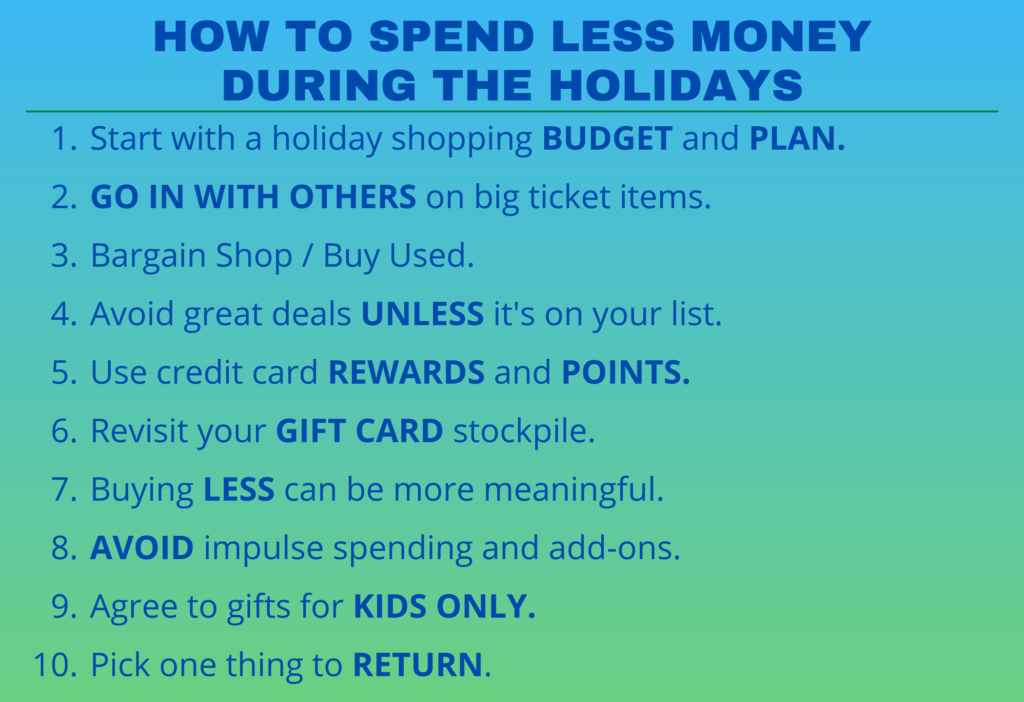
The Holiday Spending Trap: Why It's So Easy to Overspend
The holidays are a time for joy, celebration, and togetherness. However, they can also be a major source of financial stress. The pressure to buy gifts, decorate, travel, and attend festive events can quickly lead to overspending. Understanding why this happens is the first step to taking control of your holiday finances.
Several factors contribute to holiday overspending. Firstly, there's the emotional aspect. The holidays are often associated with nostalgia, family traditions, and the desire to create magical memories. This can lead to impulsive purchases and a willingness to spend more than you normally would. Secondly, marketing plays a significant role. Retailers bombard us with enticing advertisements, promotions, and limited-time offers, creating a sense of urgency and scarcity. Lastly, social pressure can be a factor. We may feel compelled to keep up with friends and family, buying expensive gifts or hosting elaborate parties to maintain a certain image.
Creating a Realistic Holiday Budget
The cornerstone of avoiding overspending is creating a realistic holiday budget. This involves assessing your financial situation, setting clear spending limits, and tracking your expenses throughout the holiday season.
Step 1: Assess Your Finances
Start by taking a hard look at your current financial situation. Calculate your income, expenses, and any outstanding debts. This will give you a clear picture of how much disposable income you have available for holiday spending. Be honest with yourself about your financial limitations. It's better to set a conservative budget and stick to it than to overspend and start the new year with debt.
Step 2: Set Spending Limits
Once you know how much you can afford to spend, allocate specific amounts to different categories, such as gifts, decorations, travel, food, and entertainment. Be realistic about how much you need to spend in each category. Research prices, compare options, and prioritize your spending. Consider cutting back on non-essential expenses in the months leading up to the holidays to free up more funds for your holiday budget.
Step 3: Track Your Expenses
Tracking your expenses is crucial for staying within your budget. Use a budgeting app, spreadsheet, or even a simple notebook to record every purchase you make during the holiday season. Regularly review your spending to see if you're on track. If you're overspending in one category, identify areas where you can cut back to compensate.
Smart Shopping Strategies for the Holidays
Even with a well-defined budget, it's easy to get caught up in the holiday shopping frenzy. Employing smart shopping strategies can help you save money and avoid impulse purchases.
Make a Gift List and Stick to It
Before you start shopping, create a detailed gift list with specific ideas for each person. This will help you stay focused and avoid buying unnecessary items. Stick to your list and resist the temptation to buy extra gifts just because they're on sale. Consider setting a price limit for each gift to ensure you stay within your budget.
Shop Early and Take Advantage of Sales
Don't wait until the last minute to start your holiday shopping. Shopping early allows you to take advantage of sales and promotions, compare prices, and avoid the stress of holiday crowds. Keep an eye out for Black Friday, Cyber Monday, and other holiday sales events. Sign up for email newsletters and follow your favorite retailers on social media to stay informed about upcoming deals.
Consider Alternatives to Traditional Gifts
Traditional gifts can be expensive and often end up being unwanted or unused. Consider alternative gift ideas that are more thoughtful and budget-friendly. Homemade gifts, experiences, and acts of service can be just as meaningful as store-bought items. For example, you could bake cookies, create a personalized photo album, or offer to babysit for a friend. Another great option is to give the gift of time – offer to help with chores, run errands, or simply spend quality time with loved ones.
Utilize Coupons and Discount Codes
Before making any purchase, search for coupons and discount codes online. Many retailers offer discounts to new customers, students, or members of specific organizations. Use browser extensions that automatically find and apply coupons when you're shopping online. Check websites like RetailMeNot and Coupons.com for available deals.
Compare Prices and Shop Around
Don't settle for the first price you see. Compare prices at different retailers before making a purchase. Use price comparison websites and apps to find the best deals. Consider shopping at outlet stores, thrift stores, or online marketplaces to save money. Be sure to factor in shipping costs when comparing prices online.
Creative Ways to Save Money on Holiday Decorations and Entertainment
Holiday decorations and entertainment can add up quickly. There are many creative ways to save money on these expenses without sacrificing the festive spirit.
DIY Decorations
Instead of buying expensive store-bought decorations, consider making your own. DIY decorations are a fun and affordable way to add a personal touch to your holiday decor. Use natural materials like pine cones, branches, and berries to create wreaths, garlands, and centerpieces. Repurpose old materials like fabric scraps, cardboard boxes, and glass jars to create unique decorations. Search online for DIY holiday decoration tutorials and inspiration.
Host Potlucks and BYOB Parties
Hosting holiday parties can be expensive, especially if you're providing all the food and drinks. Consider hosting a potluck or BYOB (bring your own beverage) party to share the costs with your guests. Ask each guest to bring a dish or drink to share. This will not only save you money but also create a more diverse and interesting menu.
Take Advantage of Free Holiday Activities
Many communities offer free holiday activities, such as tree lighting ceremonies, carol singing events, and holiday parades. Take advantage of these free events to enjoy the holiday spirit without spending any money. Check your local community calendar or website for a list of upcoming events. Consider visiting local parks, museums, or art galleries, which often offer free admission on certain days or during specific hours.
Managing Holiday Stress and Avoiding Emotional Spending
The holidays can be a stressful time, and stress can often lead to emotional spending. Managing your stress levels is crucial for avoiding overspending during the holidays.
Prioritize Self-Care
Make time for self-care activities that help you relax and de-stress. This could include taking a hot bath, reading a book, going for a walk, or practicing meditation. Avoid overcommitting yourself to holiday events and activities. Learn to say no to invitations and obligations that you don't have the time or energy for. Prioritize your mental and physical health.
Set Realistic Expectations
Avoid putting too much pressure on yourself to create the "perfect" holiday. Remember that the holidays are about spending time with loved ones and celebrating the season, not about buying the most expensive gifts or hosting the most elaborate parties. Set realistic expectations for yourself and your family. Focus on creating meaningful experiences and memories, rather than material possessions.
Seek Support When Needed
If you're feeling overwhelmed or stressed, don't hesitate to seek support from friends, family, or a mental health professional. Talking to someone about your feelings can help you manage stress and avoid emotional spending. Remember that you're not alone, and there are people who care about you and want to help.
Alternatives to Gift Giving
Sometimes the best way to save money during the holidays is to rethink the tradition of gift-giving altogether. There are many creative and meaningful alternatives to consider.
Experiences Over Things
Instead of buying material gifts, consider giving experiences. This could be tickets to a concert, a cooking class, a weekend getaway, or a subscription to a streaming service. Experiences create lasting memories and can be more meaningful than physical gifts. Plus, they often don't clutter up the recipient's home.
Acts of Service
Offer to help loved ones with tasks they find difficult or time-consuming. This could be anything from babysitting and pet-sitting to yard work and home repairs. Acts of service are a thoughtful and practical way to show you care, and they often cost little to no money.
Donations to Charity
Instead of buying gifts, consider making a donation to a charity in the recipient's name. This is a meaningful way to support a cause you both care about and give back to the community. Many charities offer the option to send a personalized card or certificate to the recipient to let them know about the donation.
Homemade Gifts
As mentioned earlier, homemade gifts are a thoughtful and budget-friendly alternative to store-bought items. Get creative and make something unique and personal for your loved ones. This could be anything from baked goods and knitted scarves to personalized artwork and handcrafted jewelry.

0 Comments