
The Looming Crisis: America's Aging Infrastructure
The United States is facing a significant challenge: its infrastructure is aging rapidly. From crumbling roads and bridges to outdated water and energy systems, the state of America's infrastructure is not only a safety concern but also a major drag on the nation's economy. This article delves into the economic impact of this aging infrastructure, highlighting the costs of neglect and the potential benefits of investment.
The Direct Costs: Delays, Repairs, and Accidents
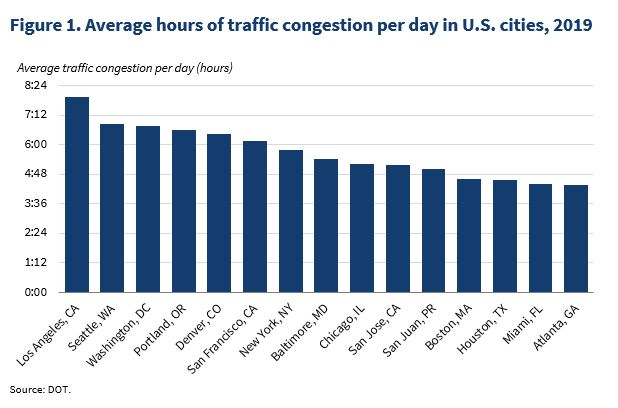
One of the most immediate economic consequences of aging infrastructure is the increased cost of delays. Deteriorating roads and bridges lead to traffic congestion, which wastes time and fuel. The Texas A&M Transportation Institute estimates that congestion cost Americans $190 billion in 2019 alone, in the form of wasted time and fuel. This not only affects individual commuters but also businesses that rely on efficient transportation of goods.
Furthermore, aging infrastructure requires frequent and often costly repairs. Water main breaks, power outages, and bridge closures disrupt daily life and can lead to significant economic losses for businesses and communities. The American Society of Civil Engineers (ASCE) estimates that the United States faces a $6 trillion infrastructure investment gap over the next decade. This gap represents the difference between the current level of investment and the amount needed to bring the nation's infrastructure up to a state of good repair.
Perhaps the most alarming direct cost is the increased risk of accidents. Aging bridges, deteriorating rail lines, and outdated air traffic control systems can all contribute to accidents that result in injuries, fatalities, and significant property damage. The cost of these accidents, both in terms of human suffering and economic losses, is substantial.
The Impact on Specific Sectors
Several sectors of the economy are particularly vulnerable to the effects of aging infrastructure. The transportation sector, for example, relies heavily on well-maintained roads, bridges, and airports. Deteriorating infrastructure can lead to higher transportation costs, reduced efficiency, and increased safety risks for trucking companies, airlines, and other transportation providers. The energy sector also faces significant challenges due to aging infrastructure. Outdated power grids are more prone to outages, which can disrupt businesses, hospitals, and other critical services. The water sector is also struggling with aging pipes and treatment plants, leading to water leaks, contamination, and higher water rates.
Indirect Economic Impacts: Productivity, Competitiveness, and Growth
Beyond the direct costs, aging infrastructure also has significant indirect economic impacts. One of the most important is its effect on productivity. When businesses and workers are forced to spend more time and money on transportation, energy, and water, they have less time and money to invest in innovation, training, and other productivity-enhancing activities. This can lead to slower economic growth and a decline in competitiveness.
Aging infrastructure also makes it more difficult for the United States to compete in the global economy. Businesses are less likely to invest in areas with poor infrastructure, which can lead to job losses and a decline in economic activity. Countries with modern, efficient infrastructure have a significant advantage in attracting investment and creating jobs.
The lack of reliable infrastructure can also deter new businesses from forming and existing businesses from expanding. Entrepreneurs and investors are more likely to choose locations with modern infrastructure that supports their operations. This can lead to a concentration of economic activity in certain areas and a decline in others.
Impact on Supply Chains
Aging infrastructure significantly impacts supply chains. Inefficient ports, congested roads, and unreliable rail systems disrupt the smooth flow of goods, leading to delays and increased costs. This can have a ripple effect throughout the economy, affecting manufacturers, retailers, and consumers. The recent supply chain disruptions caused by the COVID-19 pandemic have further highlighted the importance of resilient and efficient infrastructure.
The Potential Benefits of Infrastructure Investment
While the economic impact of aging infrastructure is significant, so too are the potential benefits of investing in infrastructure improvements. Modernizing infrastructure can create jobs, boost economic growth, and improve the quality of life for all Americans.
Investing in infrastructure can create jobs in a variety of sectors, including construction, engineering, and manufacturing. These jobs can provide economic opportunities for workers of all skill levels and can help to reduce unemployment. The Economic Policy Institute estimates that every $1 billion invested in infrastructure can create 13,000 jobs.
Furthermore, infrastructure investment can boost economic growth by improving productivity, reducing transportation costs, and attracting new businesses. Modern infrastructure can also support the development of new industries and technologies. For example, investments in broadband internet access can help to create new jobs in the technology sector and can improve access to education and healthcare.
Long-Term Economic Growth
Investing in infrastructure is not just about short-term economic gains; it's also about long-term economic growth. Modern infrastructure can support a more sustainable and resilient economy, reducing the risk of disruptions from natural disasters and other unforeseen events. It can also improve the quality of life for future generations by providing clean water, reliable energy, and efficient transportation.
Investing in resilient infrastructure, such as flood control systems and drought-resistant water supplies, can help to protect communities from the impacts of climate change. This can reduce the economic costs of natural disasters and can help to ensure the long-term sustainability of the economy.
The Cost of Inaction: A Future of Declining Prosperity
The United States faces a critical choice. It can continue to neglect its aging infrastructure and accept the economic consequences, or it can invest in modernizing its infrastructure and create a brighter future for all Americans. The cost of inaction is a future of declining prosperity, reduced competitiveness, and increased risks to public safety. The time to invest in infrastructure is now.

0 Comments