
Understanding National Debt: A Global Perspective
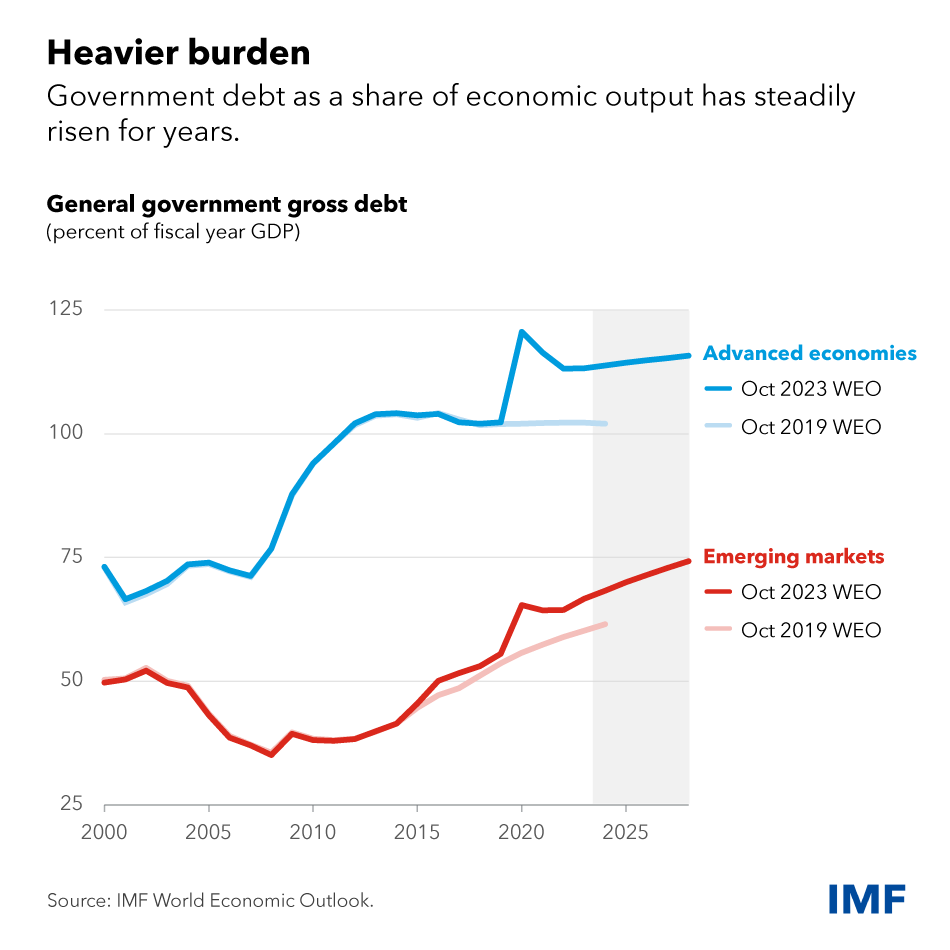
National debt, also known as government debt or public debt, represents the total amount of money a country owes to its creditors. This debt accumulates over time as a result of budget deficits, where government spending exceeds government revenue. While some level of national debt is often considered normal and even beneficial for stimulating economic growth, excessive or unsustainable debt levels can trigger a range of negative economic consequences. These consequences can vary significantly depending on the specific economic conditions, fiscal policies, and political stability of the country in question.
The Impact on Economic Growth
One of the most significant concerns surrounding growing national debt is its potential impact on economic growth. High debt levels can crowd out private investment, as governments compete with businesses for available capital. This can lead to higher interest rates, making it more expensive for businesses to borrow money and invest in expansion or innovation. Furthermore, a large national debt can create uncertainty in the economy, discouraging both domestic and foreign investment.
Crowding Out Effect
The crowding-out effect occurs when government borrowing drives up interest rates, reducing the availability of funds for private investment. When governments issue bonds to finance their debt, they increase the demand for loanable funds. This increased demand pushes interest rates upward, making it more expensive for businesses and individuals to borrow money. As a result, private investment may decline, leading to slower economic growth.
Uncertainty and Investment
High national debt can also create uncertainty about future economic policies. Investors may worry that the government will eventually raise taxes or cut spending to address the debt burden. This uncertainty can discourage investment, as businesses may be hesitant to commit to long-term projects when the future economic landscape is unclear. Foreign investors may also become wary of investing in a country with a large national debt, leading to capital flight and further economic instability.
Inflation and Currency Devaluation
In some cases, governments may resort to inflationary policies to reduce the real value of their debt. This involves increasing the money supply, which can lead to higher prices for goods and services. While inflation can effectively reduce the burden of debt, it can also erode purchasing power and destabilize the economy. Furthermore, high inflation can lead to currency devaluation, making imports more expensive and potentially triggering a balance of payments crisis.
Printing Money and Inflation
When a government prints money to finance its debt, it increases the money supply in the economy. If the increase in the money supply exceeds the growth in the economy's productive capacity, it can lead to inflation. This is because there is more money chasing the same amount of goods and services, driving up prices. Hyperinflation, a particularly severe form of inflation, can occur when governments excessively print money to finance their debt, leading to a rapid and uncontrolled increase in prices.
Currency Devaluation
High national debt can also put downward pressure on a country's currency. Investors may lose confidence in the country's ability to repay its debt, leading them to sell their holdings of the currency. This increased supply of the currency can cause its value to depreciate relative to other currencies. A weaker currency can make imports more expensive, contributing to inflation and potentially triggering a balance of payments crisis. In addition, it can make it more difficult for the country to repay its debt, as the debt is often denominated in foreign currencies.
Impact on Future Generations
A growing national debt can impose a significant burden on future generations. Future taxpayers will be responsible for paying off the debt, potentially through higher taxes or reduced government services. This can limit their economic opportunities and reduce their standard of living. In addition, a large national debt can constrain the government's ability to respond to future economic crises or invest in important areas such as education and infrastructure.
Intergenerational Equity
The concept of intergenerational equity suggests that each generation should have roughly the same opportunities and resources as previous generations. A large national debt can violate this principle by transferring the burden of debt repayment to future generations. This can reduce their economic opportunities and limit their ability to invest in their own future.
Reduced Government Spending
To address a growing national debt, governments may be forced to cut spending on essential services such as education, healthcare, and infrastructure. This can have a negative impact on the quality of life for future generations, as they may not have access to the same opportunities and resources as previous generations. In addition, reduced investment in infrastructure can hinder economic growth and make it more difficult for businesses to compete in the global economy.
Case Studies: Economic Consequences in Various Countries
The economic consequences of growing national debt can be observed in various countries around the world. Each country's experience is unique, but some common themes emerge. Here are a few examples:
Greece
Greece experienced a severe debt crisis in the early 2010s, triggered by unsustainable levels of government debt. The crisis led to austerity measures, including cuts in government spending and increases in taxes, which resulted in a sharp economic contraction and high unemployment. The Greek government was forced to seek financial assistance from the European Union and the International Monetary Fund (IMF), which imposed strict conditions on the country's economic policies.
Italy
Italy has a long history of high government debt. While Italy has not experienced a crisis as severe as Greece, its high debt levels have constrained economic growth and made it more vulnerable to economic shocks. The European Central Bank (ECB) has played a crucial role in supporting the Italian economy by purchasing Italian government bonds, but this support is not guaranteed in the long term.
Japan
Japan has the highest level of government debt as a percentage of GDP in the developed world. Despite this, Japan has not experienced a debt crisis due to a number of factors, including a high level of domestic savings and a strong export sector. However, Japan's aging population and declining workforce pose a long-term challenge to its ability to manage its debt.
United States
The United States has also seen its national debt grow significantly in recent decades. While the US economy is large and resilient, the growing debt burden raises concerns about the long-term sustainability of fiscal policy. The US dollar's status as the world's reserve currency provides some insulation from debt-related pressures, but this is not a guarantee against future economic challenges.
Managing National Debt: Policy Options
Addressing the economic consequences of growing national debt requires a comprehensive approach that includes fiscal discipline, structural reforms, and sound monetary policy. Governments need to implement policies that promote economic growth, increase tax revenues, and control spending. In addition, structural reforms can improve the efficiency of the economy and make it more competitive. Finally, sound monetary policy can help to maintain price stability and support sustainable economic growth.

0 Comments