
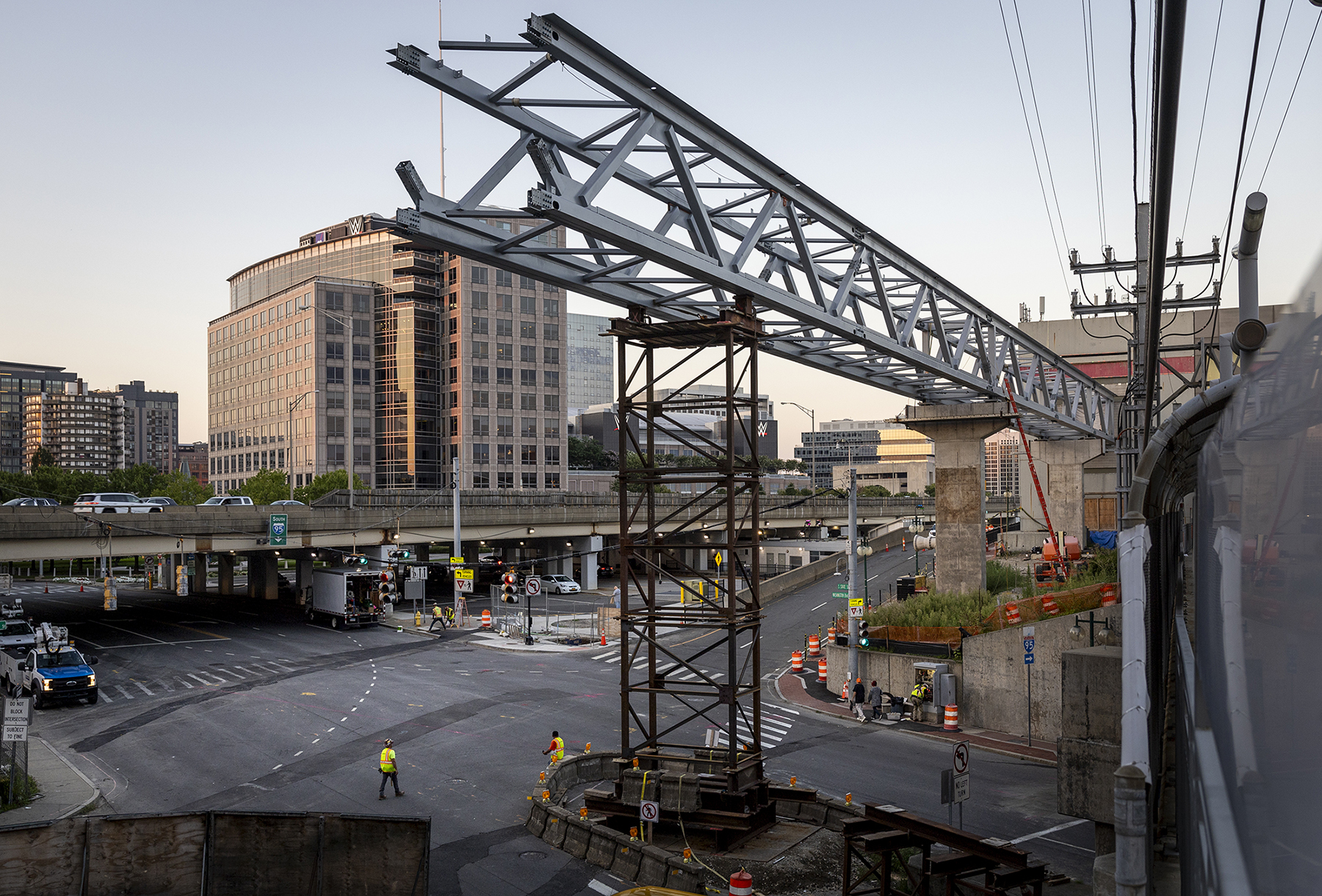
The Silent Drag on Economic Growth: Aging Infrastructure
Our nation's infrastructure, the backbone of our economy, is showing its age. Roads crumble, bridges decay, water pipes leak, and power grids strain under increased demand. This isn't just an aesthetic problem; it's a significant economic liability that impacts productivity, safety, and overall economic growth. Ignoring the aging infrastructure crisis has far-reaching consequences, hindering businesses, impacting communities, and jeopardizing future prosperity.
Direct Economic Costs of Neglecting Infrastructure
The most immediate economic impact of aging infrastructure comes from the direct costs associated with breakdowns and inefficiencies. Think of the daily commute snarled by bridge closures, the businesses disrupted by power outages, and the communities struggling with contaminated water supplies. These aren't isolated incidents; they represent a systemic problem that drains resources and stifles economic activity.
Increased Transportation Costs
Deteriorating roads and bridges increase transportation costs for businesses and consumers alike. Trucking companies face higher fuel consumption and vehicle maintenance costs due to rough roads and congested traffic. These costs are ultimately passed on to consumers in the form of higher prices for goods and services. Furthermore, delays caused by infrastructure failures disrupt supply chains, leading to production bottlenecks and lost revenue.
Water and Energy Losses
Leaking water pipes and inefficient power grids result in significant losses of valuable resources. Water loss not only impacts water availability, especially in arid regions, but also increases the cost of water treatment and distribution. Similarly, energy losses from outdated power grids increase energy costs for businesses and households, reducing their competitiveness and disposable income.
Business Disruptions and Lost Productivity
Power outages, water shortages, and transportation bottlenecks disrupt business operations, leading to lost productivity and revenue. Factories may have to shut down production lines, offices may have to close due to lack of essential services, and construction projects may be delayed. These disruptions not only impact individual businesses but also ripple through the economy, affecting suppliers, customers, and employees.
Indirect Economic Consequences: A Ripple Effect
Beyond the direct costs, aging infrastructure has significant indirect economic consequences that are often overlooked. These include reduced property values, decreased tourism, and a diminished quality of life, all of which contribute to a weaker economy.
Reduced Property Values
Deteriorating infrastructure can negatively impact property values, particularly in areas with poor road conditions, unreliable water and sewer systems, or frequent power outages. This can lead to a decline in property tax revenues for local governments, further straining their ability to invest in infrastructure improvements. Furthermore, reduced property values can make it more difficult for homeowners to sell their properties or obtain financing.
Decreased Tourism and Economic Activity
Aging infrastructure can deter tourists from visiting a region, leading to a decline in tourism revenue. Poor road conditions, congested airports, and unreliable public transportation can make it less appealing for tourists to visit, impacting hotels, restaurants, and other businesses that rely on tourism dollars. This is especially true for areas that rely heavily on tourism as a major source of economic activity.
Impact on Public Health and Safety
Aging infrastructure poses significant risks to public health and safety. Crumbling bridges can collapse, contaminated water can cause illness, and power outages can disrupt essential services. These risks not only have direct health consequences but also increase healthcare costs and reduce overall quality of life. The Flint water crisis, for example, highlighted the devastating consequences of neglecting water infrastructure.
Hindered Innovation and Future Growth
A modern, efficient infrastructure is essential for fostering innovation and supporting future economic growth. Businesses are less likely to invest in areas with poor infrastructure, hindering economic development and job creation. Furthermore, aging infrastructure can limit the adoption of new technologies, such as electric vehicles and smart grids, which are crucial for building a sustainable and resilient economy.
The Urgent Need for Investment in Infrastructure Repair
Addressing the aging infrastructure crisis requires a significant and sustained investment in repair and modernization. This investment should focus on upgrading existing infrastructure, building new infrastructure to meet growing demand, and adopting innovative technologies to improve efficiency and resilience.
Prioritizing Critical Infrastructure Projects
It is crucial to prioritize critical infrastructure projects that have the greatest impact on economic growth and public safety. This includes repairing roads and bridges, upgrading water and sewer systems, modernizing the power grid, and expanding public transportation networks. These projects should be carefully evaluated based on their economic benefits, environmental impact, and social equity considerations.
Exploring Innovative Financing Mechanisms
Given the scale of the infrastructure challenge, it is essential to explore innovative financing mechanisms to supplement traditional government funding. This includes public-private partnerships, infrastructure banks, and user fees. These mechanisms can leverage private sector expertise and capital to accelerate infrastructure development and reduce the burden on taxpayers.
Embracing Technology and Innovation
Technology and innovation can play a crucial role in improving the efficiency and resilience of infrastructure. This includes using sensors and data analytics to monitor infrastructure performance, implementing smart grid technologies to improve energy efficiency, and adopting sustainable building materials to reduce environmental impact. Embracing these technologies can help extend the lifespan of infrastructure assets and reduce maintenance costs.
Creating Jobs and Boosting Economic Activity
Investing in infrastructure repair not only addresses a critical economic need but also creates jobs and boosts economic activity. Infrastructure projects require skilled labor, creating employment opportunities in construction, engineering, and related industries. Furthermore, these projects stimulate demand for goods and services, supporting local businesses and contributing to overall economic growth.

0 Comments