
Introduction to the Metaverse Economy
The metaverse, a persistent, shared, 3D virtual world, is rapidly evolving from a futuristic concept to a tangible economic opportunity. Its potential to revolutionize how we work, socialize, entertain ourselves, and conduct business is attracting significant investment and sparking intense debate about its long-term economic impact. Understanding the economic drivers and potential pitfalls of the metaverse is crucial for investors, policymakers, and businesses alike.
Key Economic Drivers of the Metaverse
Several key factors are fueling the economic growth of the metaverse. These include:
Technological Advancements
Rapid advancements in virtual reality (VR), augmented reality (AR), blockchain technology, and artificial intelligence (AI) are creating the infrastructure necessary for a robust and immersive metaverse experience. Improved processing power, more affordable VR headsets, and the development of realistic avatars are making the metaverse more accessible and engaging for a wider audience.
Increased Digital Adoption
The COVID-19 pandemic accelerated the adoption of digital technologies and online interactions, paving the way for greater acceptance of virtual worlds. People are now more comfortable spending time online, participating in virtual events, and interacting with others in digital spaces. This shift in behavior is driving demand for metaverse experiences.
Emergence of the Creator Economy
The metaverse empowers creators to build and monetize their own content, experiences, and virtual assets. Platforms like Decentraland and The Sandbox allow users to create and sell virtual land, avatars, and other digital items, fostering a thriving creator economy. This decentralized model is attracting artists, developers, and entrepreneurs who are eager to participate in the metaverse's growth.
Investment and Corporate Adoption
Major technology companies, including Meta (formerly Facebook), Microsoft, and Nvidia, are investing heavily in metaverse technologies. These companies are developing hardware, software, and platforms that will shape the future of the metaverse. Furthermore, many businesses are exploring how they can use the metaverse to enhance customer engagement, create new revenue streams, and improve employee training.
Potential Economic Opportunities in the Metaverse
The metaverse presents a wide range of economic opportunities across various sectors:
E-commerce and Digital Assets
The metaverse offers new avenues for e-commerce, allowing businesses to sell virtual goods and services directly to consumers. Digital assets, such as NFTs (non-fungible tokens), are becoming increasingly popular in the metaverse, enabling users to own and trade unique virtual items. The market for virtual land, avatars, and other digital collectibles is growing rapidly.
Advertising and Marketing
The metaverse provides a highly immersive and engaging environment for advertising and marketing. Brands can create virtual experiences, sponsor virtual events, and place advertisements within metaverse worlds. This allows them to reach a captive audience and build stronger connections with consumers.
Education and Training
The metaverse can revolutionize education and training by providing immersive and interactive learning experiences. Students can explore historical sites, conduct virtual experiments, and collaborate with peers in virtual classrooms. Businesses can use the metaverse to train employees in realistic simulations, improving their skills and reducing costs.
Entertainment and Gaming
The metaverse is transforming the entertainment and gaming industries. Virtual concerts, sporting events, and theme parks are becoming increasingly popular. The metaverse also allows gamers to create and share their own games, fostering a vibrant gaming ecosystem.
Real Estate and Virtual Land
The market for virtual land is booming in the metaverse. Users can buy, sell, and develop virtual land, creating virtual businesses, homes, and communities. The value of virtual land is determined by its location, scarcity, and potential for development.
Remote Work and Collaboration
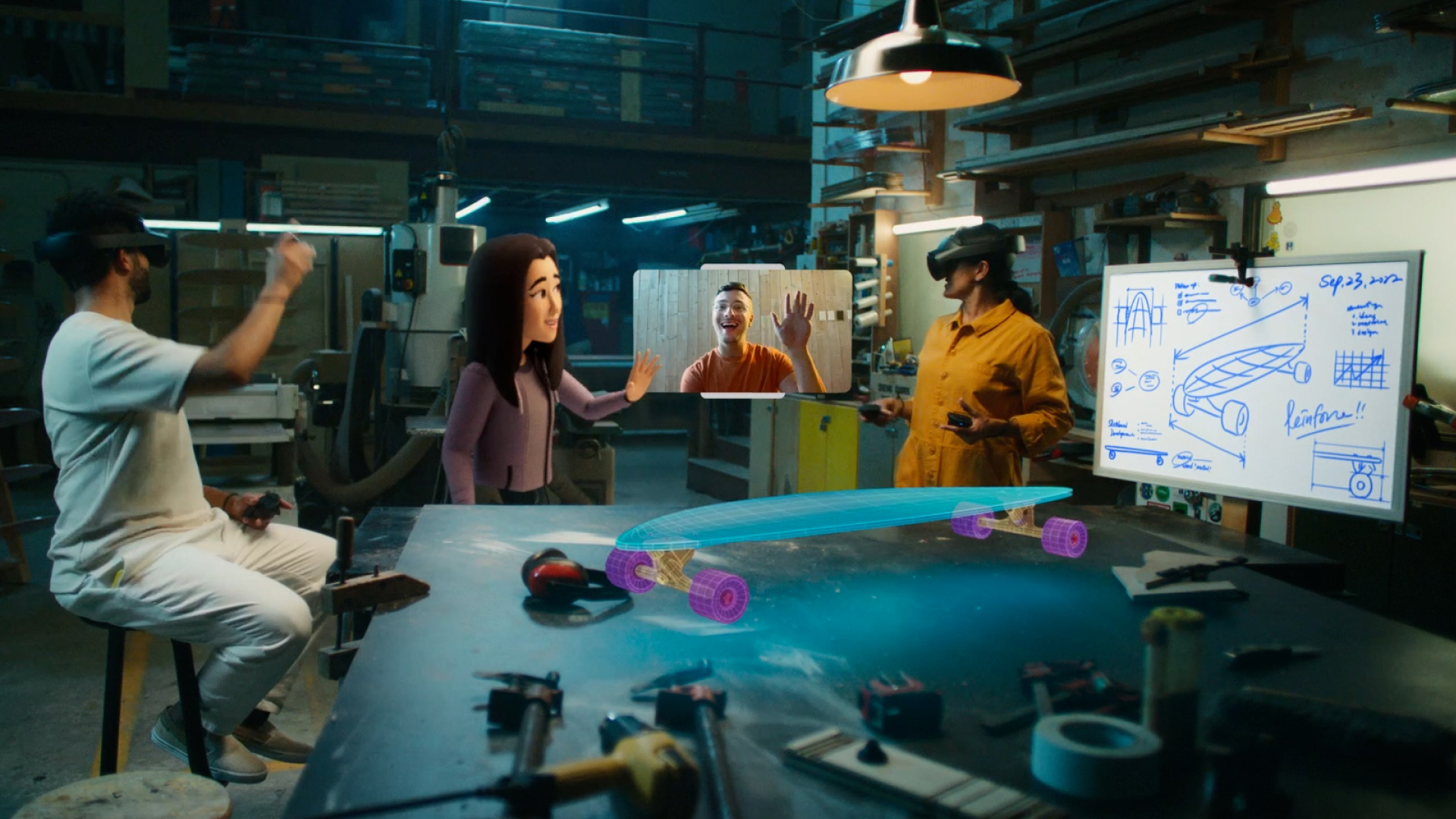
The metaverse can facilitate remote work and collaboration by providing virtual workspaces where employees can interact with each other in a more engaging and productive way. Virtual meetings, brainstorming sessions, and team-building activities can be conducted in the metaverse, improving communication and collaboration among remote teams.
Challenges and Risks of the Metaverse Economy
Despite its immense potential, the metaverse economy faces several challenges and risks:
Technological Limitations
The metaverse is still in its early stages of development, and current technology has limitations. VR and AR headsets can be expensive and uncomfortable to wear for extended periods. Bandwidth limitations can also affect the quality of metaverse experiences. Continued technological advancements are needed to overcome these limitations.
Privacy and Security Concerns
The metaverse raises significant privacy and security concerns. The collection and use of personal data in the metaverse could lead to privacy violations and identity theft. Security vulnerabilities in metaverse platforms could expose users to hacking and fraud.
Regulatory Uncertainty
The legal and regulatory framework for the metaverse is still evolving. Issues such as intellectual property rights, data protection, and consumer protection need to be addressed. Governments and regulatory bodies need to develop clear and consistent rules to govern the metaverse economy.
Accessibility and Inclusivity
The metaverse should be accessible and inclusive to all users, regardless of their socioeconomic status, physical abilities, or geographical location. Efforts need to be made to ensure that the metaverse is not dominated by a privileged few and that everyone has the opportunity to participate in its growth.
Economic Inequality
The metaverse could exacerbate existing economic inequalities. Those who have access to the necessary technology and resources may be able to benefit disproportionately from the metaverse economy, while those who lack these resources may be left behind. Policies are needed to ensure that the benefits of the metaverse are shared more equitably.
The Future of the Metaverse Economy
The metaverse economy is poised for significant growth in the coming years. As technology improves, adoption increases, and regulatory frameworks are established, the metaverse will become an increasingly important part of the global economy. It will create new opportunities for businesses, creators, and individuals alike.

0 Comments