
Understanding the Economic Impact of an Aging Population
The global population is aging at an unprecedented rate. This demographic shift, characterized by increasing life expectancy and declining birth rates, presents significant economic challenges and opportunities for nations worldwide. Understanding the economic analysis of the aging population and its consequences is crucial for policymakers, businesses, and individuals to prepare for the future.
Key Economic Factors Influenced by Aging Populations
Several key economic factors are directly influenced by an aging population. These include labor force participation, productivity, healthcare costs, pension systems, and savings and investment patterns. Let's explore each of these in detail.
Labor Force Participation and Productivity
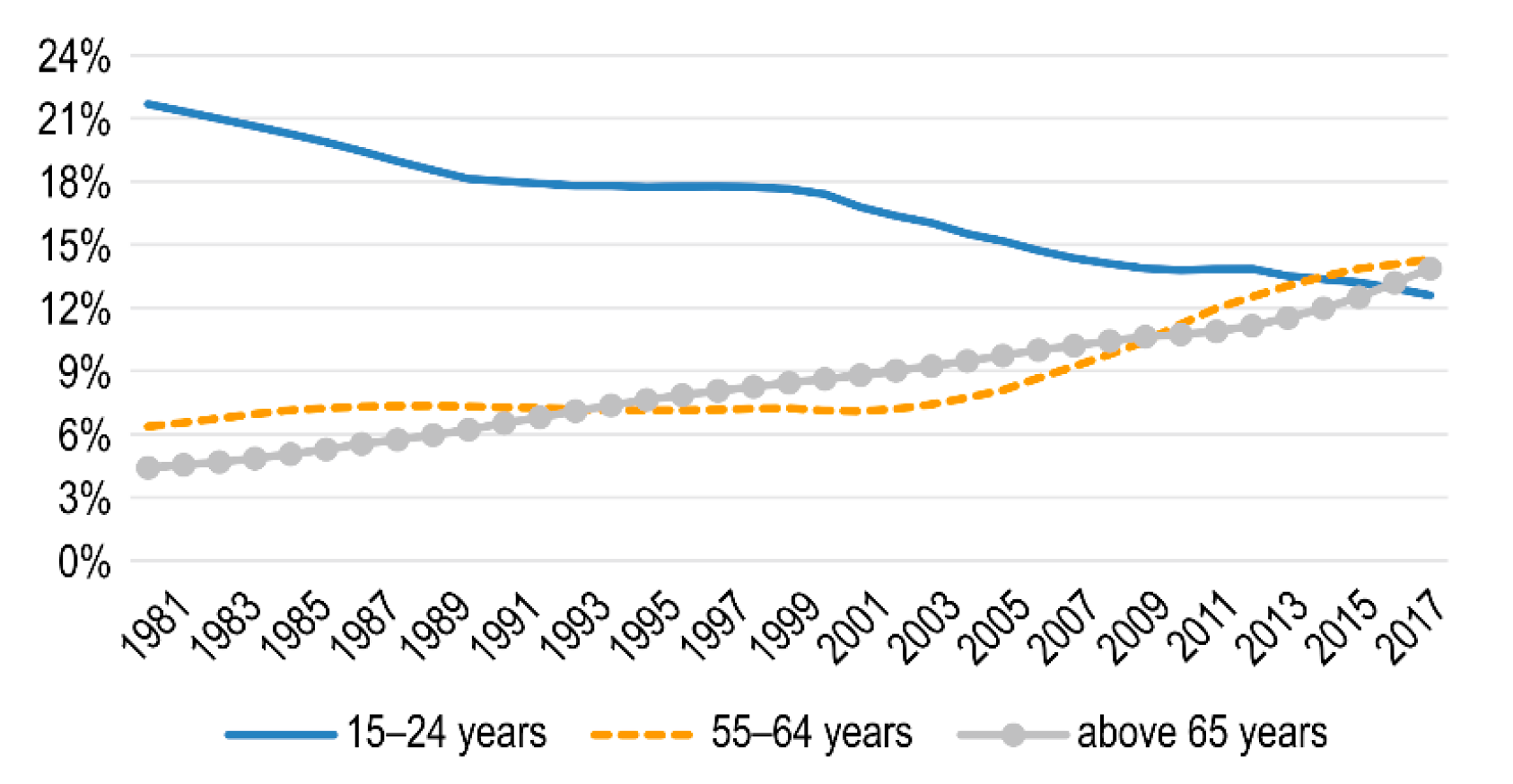
As populations age, the proportion of the working-age population (typically defined as 15-64 years) decreases relative to the elderly. This shrinking workforce can lead to labor shortages, particularly in sectors requiring specialized skills. Reduced labor force participation can negatively impact economic growth, as there are fewer individuals contributing to the production of goods and services.
Furthermore, the aging workforce may experience lower overall productivity. While older workers often possess valuable experience and institutional knowledge, they may face challenges adapting to new technologies or maintaining the physical demands of certain jobs. Investing in training and development programs for older workers can help mitigate this decline in productivity and promote lifelong learning.
Healthcare Costs and the Aging Population
Healthcare costs tend to increase significantly with age. Older individuals are more likely to experience chronic diseases, disabilities, and require long-term care services. This increased demand for healthcare puts a strain on healthcare systems, leading to higher government spending and potentially reduced access to care for other segments of the population. Strategies to manage healthcare costs include promoting preventative care, investing in geriatric medicine, and exploring innovative healthcare delivery models.
Technological advancements in healthcare, such as telemedicine and remote monitoring, can also play a crucial role in improving access to care and reducing costs for the aging population. Furthermore, encouraging healthy lifestyles and promoting early detection of diseases can help delay the onset of age-related illnesses and reduce the overall burden on the healthcare system.
Pension Systems and Retirement Security
Aging populations place immense pressure on pension systems, which are often designed to support retirees with a stream of income throughout their retirement years. As the number of retirees increases relative to the number of active workers contributing to these systems, funding gaps can emerge. Governments may need to consider reforms to pension systems, such as increasing the retirement age, raising contribution rates, or reducing benefit levels, to ensure their long-term sustainability.
Furthermore, individuals need to take greater responsibility for their own retirement savings. Encouraging personal savings through tax incentives, financial literacy programs, and access to diversified investment options can help individuals build a secure financial future. Delayed retirement, even by a few years, can also significantly improve retirement security by allowing individuals to accumulate more savings and defer drawing on their pension benefits.
Savings and Investment Patterns
The aging population can also impact savings and investment patterns. As individuals approach retirement, they may shift their investment portfolios towards less risky assets, such as bonds, to preserve their capital. This shift in investment preferences can affect the availability of capital for businesses and potentially slow down economic growth. Understanding these shifts is important for financial institutions and policymakers alike.
However, older individuals also represent a growing market for certain goods and services, such as travel, leisure activities, and age-related technology. Businesses that cater to the needs and preferences of the aging population can find new opportunities for growth and innovation. This "silver economy" can be a significant driver of economic activity in countries with rapidly aging populations.
Policy Responses to the Economic Challenges of Aging
Addressing the economic challenges of an aging population requires a comprehensive and multi-faceted policy approach. Governments need to implement policies that promote labor force participation, improve healthcare efficiency, reform pension systems, and encourage savings and investment. Education and awareness campaigns are also crucial to promote healthy aging and prepare individuals for the financial realities of retirement.
Promoting Labor Force Participation
Governments can encourage older workers to remain in the workforce longer by implementing policies that remove barriers to employment, such as age discrimination laws and flexible work arrangements. Investing in training and development programs for older workers can also help them acquire new skills and remain competitive in the labor market. Furthermore, reforming pension systems to incentivize delayed retirement can encourage individuals to continue working and contributing to the economy.
Improving Healthcare Efficiency
Improving healthcare efficiency is essential to manage the rising costs of healthcare associated with an aging population. This can be achieved through various measures, such as promoting preventative care, investing in geriatric medicine, and implementing innovative healthcare delivery models. Encouraging the adoption of technology in healthcare, such as telemedicine and remote monitoring, can also improve access to care and reduce costs.
Reforming Pension Systems
Reforming pension systems is crucial to ensure their long-term sustainability. This may involve increasing the retirement age, raising contribution rates, or reducing benefit levels. Governments should also encourage individuals to take greater responsibility for their own retirement savings by providing tax incentives and access to diversified investment options. Promoting financial literacy can also help individuals make informed decisions about their retirement planning.
Encouraging Savings and Investment
Encouraging savings and investment is important to ensure that individuals have adequate resources to support themselves in retirement. Governments can provide tax incentives for savings and investment, such as tax-deferred retirement accounts. Promoting financial literacy can also help individuals make informed decisions about their financial planning. Furthermore, encouraging the development of innovative financial products and services that cater to the needs of the aging population can help individuals manage their finances effectively.

0 Comments