
Early Retirement Tax Planning: A Comprehensive Guide
Early retirement is a dream for many, offering the freedom to pursue passions, travel the world, or simply enjoy a more relaxed pace of life. However, achieving this dream requires careful planning, especially when it comes to taxes. Effective early retirement tax planning can significantly impact your financial well-being, ensuring you have enough income to support your desired lifestyle and avoid unexpected tax burdens.
Understanding the Tax Implications of Early Retirement
Retiring early often means accessing retirement accounts and other savings earlier than anticipated. This can trigger a variety of tax implications, including:
Taxes on Retirement Account Withdrawals
Traditional 401(k)s and IRAs are generally tax-deferred, meaning you don't pay taxes on the contributions or investment growth until you withdraw the money. In early retirement, these withdrawals are typically taxed as ordinary income. Understanding the tax bracket you'll fall into is crucial for estimating your tax liability.
The 10% Early Withdrawal Penalty
Generally, withdrawals from retirement accounts before age 59 ½ are subject to a 10% early withdrawal penalty, in addition to regular income taxes. However, there are exceptions to this rule, such as:
- Substantially Equal Periodic Payments (SEPP): This allows you to take regular distributions from your IRA or 401(k) without penalty, as long as the payments are calculated using IRS-approved methods and continue for at least five years or until you reach age 59 ½, whichever is later.
- Qualified Domestic Relations Order (QDRO): If you're divorcing and receive retirement assets through a QDRO, withdrawals may be exempt from the penalty.
- Medical Expenses: Withdrawals used to pay for unreimbursed medical expenses exceeding 7.5% of your adjusted gross income may be penalty-free.
- Disability: If you become permanently disabled, you may be able to withdraw from retirement accounts without penalty.
Taxes on Investment Income
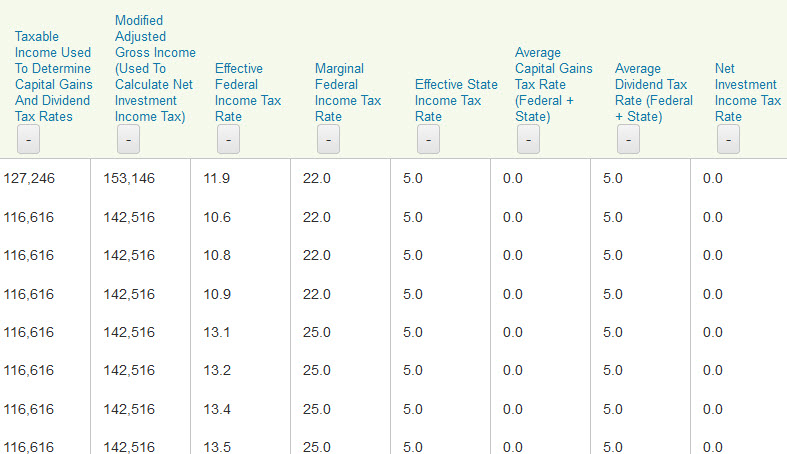
Beyond retirement accounts, you may have other investments, such as stocks, bonds, and real estate. These investments can generate taxable income in the form of dividends, interest, and capital gains. Understanding the tax rates on these types of income is essential for effective tax planning.
State and Local Taxes
Don't forget about state and local taxes. These can vary significantly depending on where you live. Some states have no income tax, while others have high tax rates. Consider the tax implications of your state of residence when planning your early retirement.
Strategies for Effective Early Retirement Tax Planning
Fortunately, there are several strategies you can use to minimize your tax burden in early retirement:
Roth Conversions
A Roth conversion involves transferring money from a traditional IRA or 401(k) to a Roth IRA. You'll pay taxes on the converted amount in the year of the conversion, but future withdrawals from the Roth IRA will be tax-free. This can be a beneficial strategy if you expect your tax rate to be higher in retirement than it is now.
Tax-Advantaged Investments
Consider investing in tax-advantaged accounts like Health Savings Accounts (HSAs) or municipal bonds. HSAs offer a triple tax advantage: contributions are tax-deductible, investment growth is tax-free, and withdrawals for qualified medical expenses are tax-free. Municipal bonds offer interest income that is exempt from federal income tax and, in some cases, state and local taxes.
Strategic Withdrawal Planning
Carefully plan your withdrawals from different types of accounts to minimize your overall tax liability. For example, you might consider withdrawing from taxable accounts first, followed by tax-deferred accounts, and finally Roth accounts. This allows you to control when you pay taxes and potentially lower your overall tax bill.
Tax Loss Harvesting
Tax loss harvesting involves selling investments that have lost value to offset capital gains. This can help you reduce your taxable income and lower your tax liability. However, be mindful of the wash-sale rule, which prevents you from repurchasing the same or a substantially similar investment within 30 days of selling it at a loss.
Consider Your Healthcare Options
Healthcare costs are a significant concern for early retirees. Understanding your healthcare options and the associated tax implications is crucial. If you retire before age 65, you'll need to find alternative health insurance coverage until you're eligible for Medicare. Consider the costs of premiums, deductibles, and co-pays, and factor them into your tax planning.
Work with a Qualified Financial Advisor
Early retirement tax planning can be complex. Working with a qualified financial advisor who specializes in retirement planning can provide invaluable assistance. A financial advisor can help you develop a personalized tax plan that takes into account your specific circumstances and goals.
Key Considerations for Early Retirement Tax Planning
When planning for early retirement taxes, keep these key considerations in mind:
Estimate Your Income and Expenses
Accurately estimating your income and expenses is crucial for determining your tax bracket and planning your withdrawals. Consider all sources of income, including retirement accounts, investments, Social Security (if applicable), and any part-time work or side hustles. Be realistic about your expenses, including housing, food, transportation, healthcare, and entertainment.
Understand Your Tax Bracket
Your tax bracket determines the percentage of your income that will be taxed. Knowing your tax bracket can help you estimate your tax liability and make informed decisions about your withdrawals and investments.
Stay Informed About Tax Law Changes
Tax laws are constantly changing. Stay informed about any changes that could affect your early retirement tax plan. Consult with a financial advisor or tax professional to ensure you're up-to-date on the latest regulations.
Review and Adjust Your Plan Regularly
Your early retirement tax plan is not a one-time event. Review and adjust your plan regularly to account for changes in your income, expenses, tax laws, and life circumstances. Make sure your plan continues to meet your needs and help you achieve your financial goals.

0 Comments