
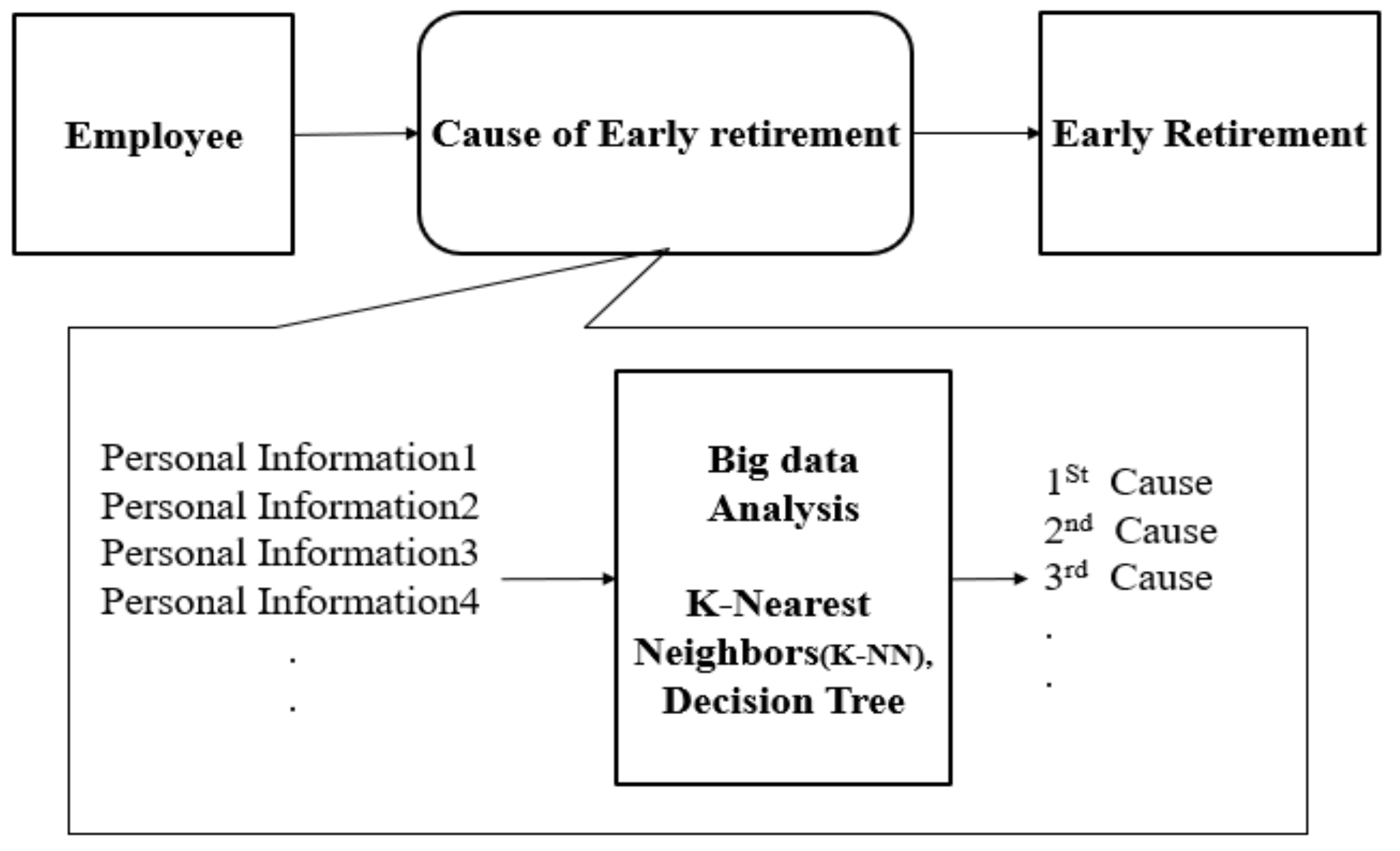
The Unexpected Challenges of Early Retirement
Early retirement, often portrayed as a life of leisure and endless possibilities, can sometimes bring unexpected challenges. While the idea of escaping the daily grind and pursuing long-held dreams is appealing, the reality can be quite different. Many individuals find themselves facing stress, anxiety, and a sense of loss after leaving their careers earlier than the traditional retirement age. This isn't a failure; it's a normal reaction to a significant life transition. Understanding the common stressors associated with early retirement is the first step towards effective stress management.
Common Stressors in Early Retirement
Several factors can contribute to stress in early retirement. Recognizing these potential pitfalls allows you to proactively develop coping mechanisms and maintain your well-being.
Financial Anxiety
One of the most significant stressors is financial anxiety. Even with careful planning, the fear of outliving your savings or facing unexpected expenses can be overwhelming. Inflation, market fluctuations, and unforeseen healthcare costs can all contribute to this anxiety. It's crucial to regularly review your financial plan and adjust your budget as needed. Seeking advice from a financial advisor can provide reassurance and help you make informed decisions.
Loss of Identity and Purpose
For many, their career is intertwined with their identity. Early retirement can lead to a loss of purpose and a feeling of being adrift. The daily structure, social interactions, and sense of accomplishment that work provides are suddenly gone. This can lead to feelings of isolation, boredom, and even depression. It's essential to find new ways to define yourself and discover new sources of meaning and purpose in your life.
Social Isolation
The workplace often serves as a primary source of social interaction. Early retirement can lead to social isolation as you lose contact with colleagues and the daily camaraderie of the office. Making an effort to maintain existing friendships and build new connections is crucial for combating loneliness and maintaining a strong social network. Joining clubs, volunteering, or taking classes can provide opportunities to meet new people and engage in social activities.
Relationship Strain
Spending significantly more time with your partner can be both a blessing and a challenge. Unresolved issues or different expectations for retirement can lead to conflict and strain on the relationship. Open communication and a willingness to compromise are essential for navigating this transition successfully. Consider attending couples counseling or engaging in activities together that you both enjoy.
Lack of Structure and Routine
The absence of a structured workday can be liberating at first, but it can quickly lead to a lack of motivation and a sense of aimlessness. Without a routine, it's easy to fall into unhealthy habits, such as sleeping in late, skipping meals, or spending excessive time in front of the television. Establishing a new routine that incorporates exercise, hobbies, social activities, and personal goals can provide a sense of purpose and structure to your days.
Effective Stress Management Techniques
Managing stress in early retirement requires a proactive and holistic approach. Implementing various stress management techniques can help you maintain your mental, emotional, and physical well-being.
Mindfulness and Meditation
Mindfulness and meditation are powerful tools for reducing stress and anxiety. Practicing mindfulness involves focusing on the present moment without judgment. This can help you become more aware of your thoughts and feelings, allowing you to respond to stress in a more calm and rational manner. Meditation can help quiet the mind and promote relaxation. There are many different types of meditation, so experiment to find one that works best for you. Apps like Headspace and Calm offer guided meditations for beginners.
Regular Exercise
Physical activity is a natural stress reliever. Exercise releases endorphins, which have mood-boosting effects. Aim for at least 30 minutes of moderate-intensity exercise most days of the week. This could include walking, jogging, swimming, cycling, or any other activity that you enjoy. Exercise also has numerous physical health benefits, such as improving cardiovascular health, strengthening bones, and boosting the immune system.
Healthy Diet
A healthy diet is essential for overall well-being and stress management. Avoid processed foods, sugary drinks, and excessive amounts of caffeine and alcohol. Focus on eating whole, unprocessed foods, such as fruits, vegetables, whole grains, and lean protein. A balanced diet provides the nutrients your body needs to function optimally and can help regulate mood and energy levels. Consider consulting with a registered dietitian to develop a personalized meal plan.
Pursuing Hobbies and Interests
Early retirement provides the perfect opportunity to pursue hobbies and interests that you may have neglected during your working years. Engaging in activities that you enjoy can provide a sense of purpose, reduce stress, and boost your mood. This could include painting, gardening, writing, playing a musical instrument, learning a new language, or joining a book club. Exploring new hobbies can also help you discover hidden talents and passions.
Volunteering
Volunteering is a rewarding way to give back to your community and make a difference in the lives of others. It can also provide a sense of purpose, combat loneliness, and boost your self-esteem. There are many different volunteer opportunities available, so find one that aligns with your interests and skills. This could include volunteering at a local animal shelter, food bank, hospital, or school.
Building and Maintaining Social Connections
Maintaining strong social connections is crucial for combating loneliness and promoting mental well-being. Make an effort to stay in touch with friends and family, and seek out opportunities to meet new people. Join clubs, attend social events, or volunteer in your community. Consider joining a retirement community or participating in activities specifically designed for retirees. Nurturing your social relationships can provide a sense of belonging and support.
Financial Planning and Budgeting
Addressing financial anxieties requires a proactive approach to financial planning and budgeting. Regularly review your financial plan with a financial advisor to ensure that you are on track to meet your retirement goals. Create a budget that outlines your income and expenses, and track your spending to identify areas where you can save money. Consider diversifying your investments to reduce risk. Having a clear understanding of your finances can provide peace of mind and reduce stress.
Seeking Professional Help
If you are struggling to manage stress on your own, don't hesitate to seek professional help. A therapist or counselor can provide support, guidance, and coping strategies for dealing with the challenges of early retirement. Cognitive behavioral therapy (CBT) is a particularly effective treatment for anxiety and depression. They can also help you identify underlying issues that may be contributing to your stress. Remember that seeking help is a sign of strength, not weakness.
Establishing a Daily Routine
Creating a new daily routine can provide structure and purpose to your days. This routine should include activities that you enjoy, such as exercise, hobbies, social activities, and personal goals. Set specific times for meals, exercise, and other important activities. Having a routine can help you stay motivated, manage your time effectively, and reduce feelings of aimlessness.
Embracing Flexibility and Adaptability
Early retirement is a time of transition, and it's important to embrace flexibility and adaptability. Be prepared to adjust your plans as needed and be open to new experiences. Don't be afraid to try new things and step outside of your comfort zone. The key to a successful and fulfilling early retirement is to be adaptable and willing to embrace change.

0 Comments