
Why Diversification Matters for Early Retirement
Early retirement is a dream for many, offering the freedom to pursue passions, travel, or simply enjoy life without the constraints of a 9-to-5 job. However, achieving and maintaining early retirement requires careful financial planning, and a cornerstone of that plan is a well-diversified investment portfolio. Diversification isn't just a buzzword; it's a risk management strategy crucial for safeguarding your hard-earned savings and ensuring a sustainable income stream throughout your retirement years.
When planning for early retirement, you face unique challenges compared to traditional retirement. Your retirement horizon is likely longer, meaning your portfolio needs to withstand market fluctuations and inflation for a potentially extended period. Furthermore, you might not have access to traditional income sources like a regular paycheck or employer-sponsored benefits. A diversified portfolio helps mitigate these risks by spreading your investments across various asset classes, industries, and geographies.
Understanding the Basics of Portfolio Diversification
Portfolio diversification is the practice of spreading your investments across a variety of asset classes to reduce risk. The core principle is that different asset classes react differently to market conditions. When one asset class performs poorly, others may perform well, offsetting the losses and stabilizing your overall portfolio.
Think of it like this: Don't put all your eggs in one basket. If that basket falls, you lose everything. But if you distribute your eggs across multiple baskets, the loss from one falling basket is limited.
Key Asset Classes for Early Retirement Portfolios
Several asset classes are commonly included in a diversified early retirement portfolio. Each offers different risk and return characteristics, contributing to the overall stability and growth potential of your investments.
- Stocks (Equities): Represent ownership in companies. Historically, stocks have provided higher returns than other asset classes, but they also come with higher volatility. Diversification within stocks can be achieved by investing in different sectors (technology, healthcare, consumer staples), market capitalizations (large-cap, mid-cap, small-cap), and geographies (domestic, international).
- Bonds (Fixed Income): Represent debt issued by governments or corporations. Bonds are generally considered less risky than stocks, providing a more stable income stream. Diversification within bonds can be achieved by investing in different maturities (short-term, intermediate-term, long-term), credit ratings (high-grade, investment-grade, high-yield), and issuers (government, corporate).
- Real Estate: Can provide both income (through rental properties) and capital appreciation. Real estate investments can include direct ownership of properties, real estate investment trusts (REITs), or crowdfunding platforms.
- Commodities: Raw materials such as gold, silver, oil, and agricultural products. Commodities can act as a hedge against inflation and provide diversification benefits.
- Cash and Cash Equivalents: Include savings accounts, money market funds, and short-term certificates of deposit (CDs). Cash provides liquidity and serves as a buffer during market downturns.
Building Your Diversified Early Retirement Portfolio
Creating a diversified portfolio tailored to your specific needs and risk tolerance requires careful consideration of several factors. Here's a step-by-step approach:
1. Assess Your Risk Tolerance
Understanding your risk tolerance is crucial. Are you comfortable with significant market fluctuations in exchange for potentially higher returns, or do you prefer a more conservative approach with lower volatility? Questionnaires and consultations with financial advisors can help you determine your risk profile.
2. Determine Your Asset Allocation
Asset allocation refers to the percentage of your portfolio allocated to each asset class. This is arguably the most important factor influencing your portfolio's performance. A common approach is to use a target-date fund or a risk-based model portfolio as a starting point, then adjust it based on your individual circumstances and risk tolerance.
For example, a more aggressive investor might allocate 70% to stocks, 20% to bonds, and 10% to alternative assets, while a more conservative investor might allocate 40% to stocks, 50% to bonds, and 10% to cash.
3. Select Specific Investments
Once you've determined your asset allocation, you need to select specific investments within each asset class. Consider using low-cost index funds or exchange-traded funds (ETFs) to gain broad exposure to different markets and sectors. For example, you could invest in an S&P 500 index fund to gain exposure to the 500 largest companies in the United States, or a total bond market index fund to gain exposure to a wide range of US bonds.
4. Rebalance Your Portfolio Regularly
Over time, your asset allocation will drift away from your target due to market fluctuations. Rebalancing involves selling some assets that have performed well and buying assets that have underperformed to bring your portfolio back to its original allocation. This helps maintain your desired risk level and can improve long-term returns.
A common rebalancing strategy is to rebalance annually or whenever an asset class deviates significantly from its target allocation (e.g., by 5% or more).
5. Consider Tax Implications
Be mindful of the tax implications of your investment decisions. Investing in tax-advantaged accounts like 401(k)s and IRAs can help you defer or avoid taxes on your investment gains. When investing in taxable accounts, consider the tax efficiency of different investments and strategies.
Examples of Diversified Early Retirement Portfolios
Here are a few examples of diversified early retirement portfolios, based on different risk tolerances:
Aggressive Portfolio (High Growth)
- 70% Stocks:
- 35% US Stocks (e.g., S&P 500 index fund)
- 25% International Stocks (e.g., Developed Markets index fund, Emerging Markets index fund)
- 10% Small-Cap Stocks (e.g., Russell 2000 index fund)
- 20% Bonds:
- 10% US Aggregate Bond index fund
- 10% International Bond index fund
- 10% Alternative Assets:
- 5% Real Estate (e.g., REIT index fund)
- 5% Commodities (e.g., Commodity index fund)
Moderate Portfolio (Balanced Growth)
- 60% Stocks:
- 30% US Stocks
- 20% International Stocks
- 10% Small-Cap Stocks
- 30% Bonds:
- 20% US Aggregate Bond index fund
- 10% International Bond index fund
- 10% Alternative Assets:
- 5% Real Estate
- 5% Commodities
Conservative Portfolio (Income and Stability)
- 40% Stocks:
- 20% US Stocks
- 15% International Stocks
- 5% Small-Cap Stocks
- 50% Bonds:
- 30% US Aggregate Bond index fund
- 10% US Treasury Inflation-Protected Securities (TIPS)
- 10% International Bond index fund
- 10% Cash:
- High-yield savings account or money market fund
Ongoing Management and Adjustments
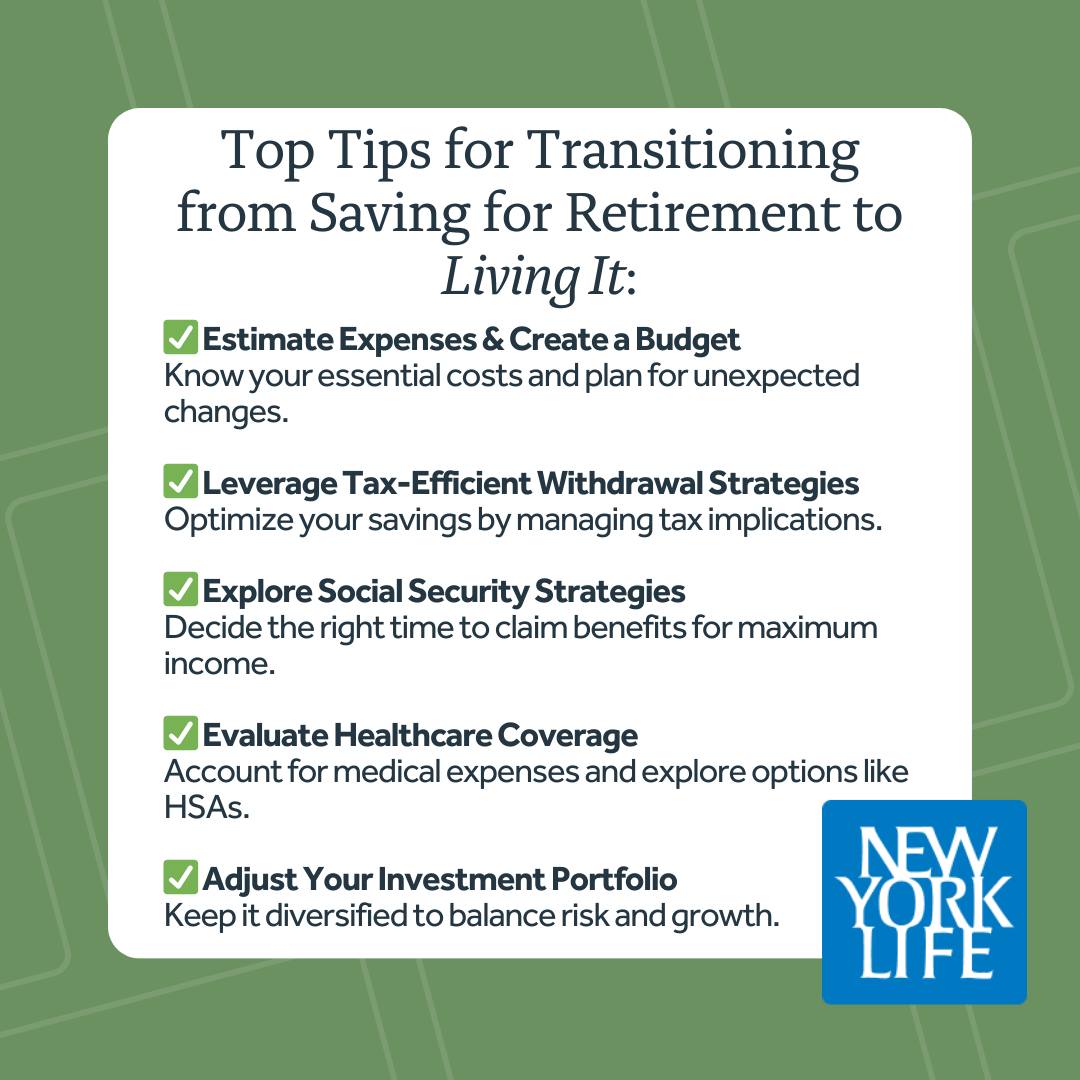
Building a diversified portfolio is not a one-time event. It requires ongoing management and adjustments to ensure it remains aligned with your goals and risk tolerance. Regularly review your portfolio, rebalance as needed, and adjust your asset allocation as your circumstances change. Factors that might warrant adjustments include changes in your risk tolerance, retirement timeline, or financial goals. Consulting with a qualified financial advisor can provide valuable guidance and support throughout your early retirement journey.

0 Comments