
Understanding Life Insurance Needs in Early Retirement
Early retirement is a dream for many. The prospect of leaving the workforce earlier than the traditional retirement age can be incredibly appealing. It opens up opportunities for travel, pursuing hobbies, spending more time with loved ones, and simply enjoying a more relaxed pace of life. However, early retirement also brings a unique set of financial considerations, and one of the most important is life insurance.
While life insurance is often associated with younger families needing to protect dependents, its relevance doesn't diminish in early retirement. In fact, for some, it can become even more crucial. This article will explore the various reasons why life insurance remains an important component of a solid financial plan for early retirees.
Why You Might Need Life Insurance in Early Retirement
The reasons for needing life insurance in early retirement are varied and depend on individual circumstances. Here are some common scenarios:
Protecting Your Spouse or Partner
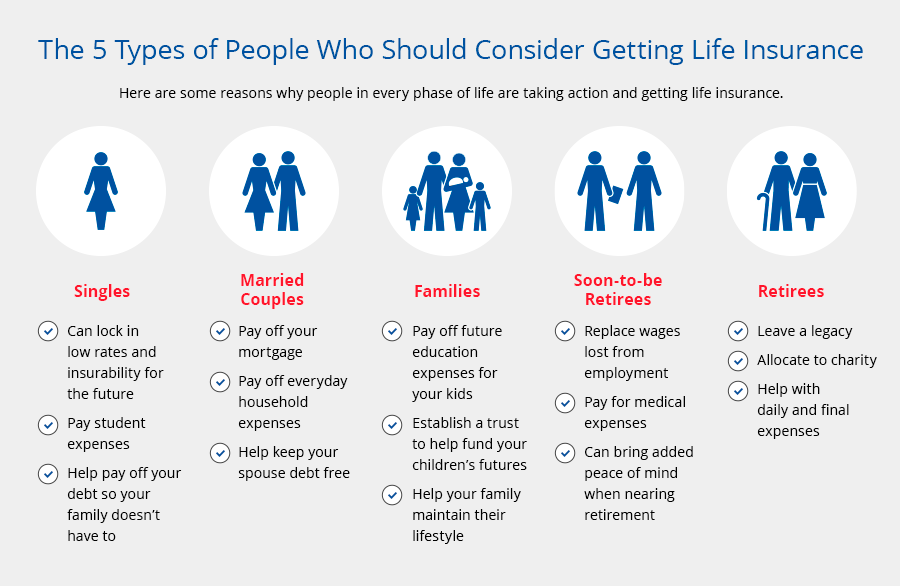
If you are married or have a partner who relies on your income or retirement savings, life insurance provides a safety net should you pass away unexpectedly. This is especially important if your spouse or partner is not financially independent or if your retirement income is heavily reliant on your pension or Social Security benefits, which might be reduced after your death. Life insurance can help cover living expenses, pay off debts, and maintain their current lifestyle.
Covering Outstanding Debts
Many early retirees still carry significant debts, such as mortgages, car loans, or even student loans. If you die with outstanding debt, your estate will be responsible for paying it off. This can deplete your assets and leave less for your heirs. Life insurance can provide the funds necessary to pay off these debts, ensuring that your loved ones are not burdened with financial obligations.
Funding Education for Grandchildren
Some early retirees are passionate about helping their grandchildren pursue higher education. Life insurance can be designated to a trust or directly to the grandchildren to help cover the costs of college or other educational expenses. This can be a lasting legacy and a significant contribution to their future.
Estate Planning and Taxes
Life insurance can play a crucial role in estate planning, particularly for larger estates that may be subject to estate taxes. The proceeds from a life insurance policy can be used to pay estate taxes, preventing the need to sell off assets to cover these obligations. This helps preserve the value of your estate for your heirs.
Leaving a Legacy
Many individuals want to leave a financial legacy for their children, grandchildren, or favorite charities. Life insurance provides a relatively simple and efficient way to achieve this goal. You can name beneficiaries to receive the death benefit, ensuring that your wishes are carried out after your death.
Supplementing Retirement Income
In some cases, life insurance can be used as a tool to supplement retirement income. While not the primary purpose of life insurance, certain types of policies, such as whole life or universal life, accumulate cash value over time. This cash value can be borrowed against or withdrawn to provide additional income during retirement. However, it’s crucial to understand the potential tax implications and consult with a financial advisor before using life insurance in this way.
Types of Life Insurance to Consider
Choosing the right type of life insurance is crucial for meeting your specific needs and financial goals. Here are some of the most common types of life insurance to consider in early retirement:
Term Life Insurance
Term life insurance provides coverage for a specific period, typically 10, 20, or 30 years. It's generally the most affordable type of life insurance, making it a good option for those on a budget. Term life insurance is suitable if you have specific financial obligations that will eventually disappear, such as a mortgage or dependent children. Once the term expires, the coverage ends, and you may need to purchase a new policy at a higher premium if you still need coverage.
Whole Life Insurance
Whole life insurance provides lifelong coverage and accumulates cash value over time. The premiums are typically higher than term life insurance, but the policy offers a guaranteed death benefit and a tax-deferred cash value component that grows over time. Whole life insurance can be a good option for those who want lifelong coverage and the potential for cash value accumulation.
Universal Life Insurance
Universal life insurance is another type of permanent life insurance that offers more flexibility than whole life insurance. The premiums and death benefit can be adjusted within certain limits, and the policy also accumulates cash value. Universal life insurance can be a good option for those who want more control over their policy and the potential for higher returns on the cash value component.
Variable Life Insurance
Variable life insurance is a type of permanent life insurance that allows you to invest the cash value in a variety of investment options, such as stocks, bonds, and mutual funds. This offers the potential for higher returns, but also carries more risk. Variable life insurance is suitable for those who are comfortable with investment risk and want the potential for higher growth in their cash value.
Factors to Consider When Determining Your Life Insurance Needs
Determining the right amount of life insurance coverage is a personal decision that depends on your individual circumstances. Here are some key factors to consider:
Your Financial Obligations
Assess your outstanding debts, such as mortgages, loans, and credit card balances. Determine how much it would cost to pay off these debts if you were to die unexpectedly.
Your Family's Needs
Consider the financial needs of your spouse, partner, or other dependents. How much income would they need to maintain their current lifestyle? Would they need help with living expenses, education costs, or other financial obligations?
Your Retirement Savings
Evaluate your retirement savings and determine how much income they would generate for your beneficiaries. Would your retirement savings be sufficient to meet their financial needs?
Your Estate Planning Goals
Consider your estate planning goals and how life insurance can help you achieve them. Do you want to leave a legacy for your children or grandchildren? Do you need to cover estate taxes?
Your Budget
Determine how much you can afford to spend on life insurance premiums. It's important to find a policy that provides adequate coverage without breaking the bank.
Getting Expert Advice
Navigating the world of life insurance can be complex. Consulting with a qualified financial advisor or insurance agent can help you assess your needs, compare different policies, and choose the right coverage for your specific situation. They can provide personalized advice and guidance to ensure that you make informed decisions about your life insurance needs in early retirement.

0 Comments