
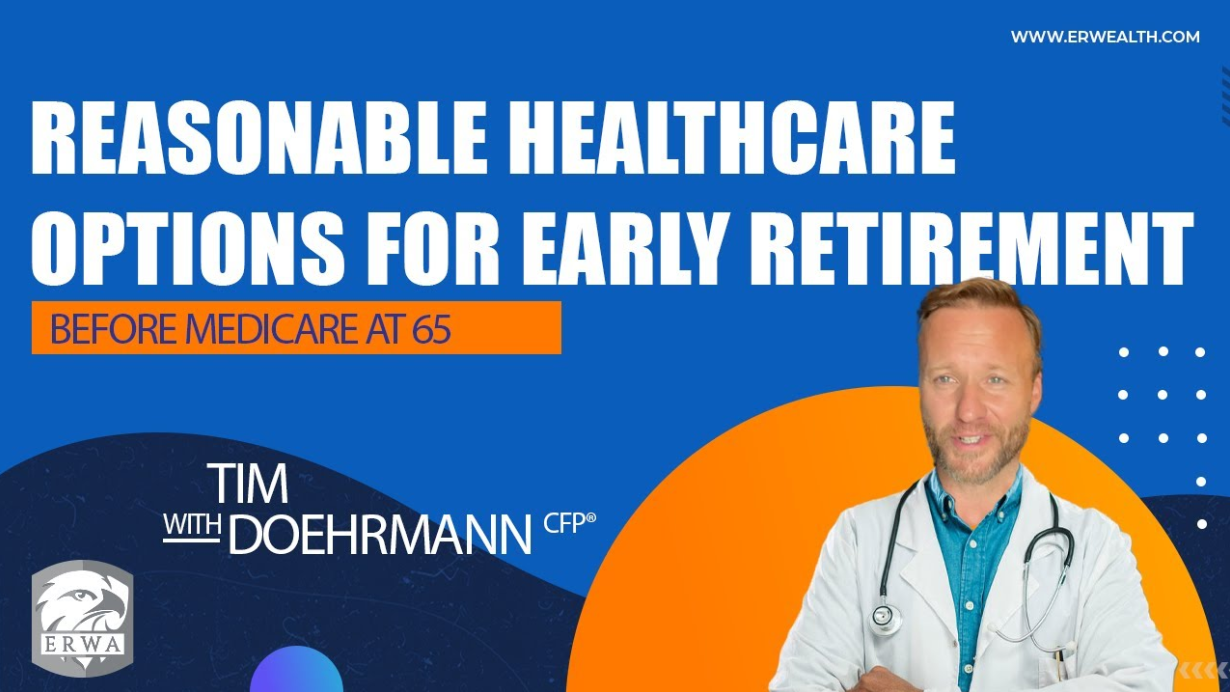
Is Early Retirement Possible for Doctors and Healthcare Professionals?
The demanding nature of careers in medicine and healthcare often leads professionals to consider early retirement. The long hours, high stress levels, and emotional toll can contribute to burnout, making the prospect of retiring earlier than the traditional age of 65 incredibly appealing. But is early retirement truly feasible for doctors and healthcare professionals? The answer is a resounding yes, but it requires careful planning, diligent saving, and a realistic assessment of your financial situation.
Understanding the Unique Challenges
Healthcare professionals face unique challenges when planning for early retirement. These include:
- High Student Loan Debt: Many doctors and healthcare professionals graduate with significant student loan debt, which can delay their ability to save for retirement.
- Late Start to Saving: Due to the length of their education and training, many professionals start saving for retirement later in life compared to individuals in other fields.
- High-Income Lifestyle: Maintaining a high-income lifestyle can make it challenging to prioritize saving and investing.
- Malpractice Insurance: The cost of malpractice insurance can be a significant expense, especially during the early years of practice.
Financial Planning: The Cornerstone of Early Retirement
Solid financial planning is paramount to achieving early retirement. This involves a comprehensive assessment of your current financial situation, setting clear retirement goals, and developing a detailed plan to reach those goals.
Assessing Your Current Financial Situation
Begin by taking stock of your assets, liabilities, income, and expenses. This includes:
- Assets: Retirement accounts (401(k), 403(b), IRA), investment accounts, real estate, and other valuable possessions.
- Liabilities: Student loans, mortgages, credit card debt, and other outstanding debts.
- Income: Salary, bonuses, and any other sources of income.
- Expenses: Monthly living expenses, including housing, food, transportation, healthcare, and entertainment.
Use online calculators and budgeting tools to get a clear picture of your net worth and cash flow.
Setting Realistic Retirement Goals
Define what early retirement means to you. Consider factors such as:
- Desired Retirement Age: When do you want to retire?
- Desired Retirement Lifestyle: What kind of lifestyle do you envision in retirement? Will you travel extensively, pursue hobbies, or downsize your home?
- Estimated Retirement Expenses: How much money will you need each year to maintain your desired lifestyle? Factor in inflation and potential healthcare costs.
Developing a Retirement Savings Plan
Once you have a clear understanding of your financial situation and retirement goals, develop a detailed savings plan. This plan should include:
- Contribution Rates: Determine how much you need to save each month to reach your retirement goals. Maximize contributions to tax-advantaged retirement accounts, such as 401(k)s and IRAs.
- Investment Strategy: Choose an investment strategy that aligns with your risk tolerance and time horizon. Consider diversifying your portfolio across different asset classes, such as stocks, bonds, and real estate.
- Debt Management: Prioritize paying down high-interest debt, such as student loans and credit card debt. This will free up more cash flow for saving and investing.
- Regular Review: Review your retirement plan regularly to ensure you are on track to meet your goals. Adjust your savings rate and investment strategy as needed.
Strategies for Accelerating Retirement Savings
Several strategies can help you accelerate your retirement savings:
Maximize Retirement Account Contributions
Take full advantage of employer-sponsored retirement plans and individual retirement accounts (IRAs). Contribute the maximum amount allowed each year to benefit from tax advantages and compound growth.
Consider Catch-Up Contributions
If you are age 50 or older, you are eligible to make catch-up contributions to your retirement accounts. These additional contributions can significantly boost your retirement savings.
Explore Alternative Income Streams
Consider generating additional income through side hustles or passive income streams. This can help you save more for retirement and potentially retire earlier.
Reduce Expenses
Identify areas where you can reduce your expenses. Even small reductions can add up over time and free up more cash flow for saving and investing.
Delay Social Security Benefits
Delaying Social Security benefits until age 70 can significantly increase your monthly payments. This can provide a substantial source of income in retirement.
Non-Financial Considerations
While financial planning is crucial, it's equally important to consider the non-financial aspects of early retirement.
Healthcare Coverage
Ensure you have adequate healthcare coverage in retirement. Explore options such as:
- COBRA: Continue your employer-sponsored health insurance through COBRA.
- Affordable Care Act (ACA) Marketplace: Purchase health insurance through the ACA marketplace.
- Medicare (if eligible): Enroll in Medicare at age 65.
Purpose and Identity
Retirement can be a significant life transition. Consider how you will spend your time and maintain a sense of purpose and identity. Explore hobbies, volunteer opportunities, or part-time work.
Social Connections
Maintain social connections with friends, family, and colleagues. Retirement can be isolating if you don't make an effort to stay connected.
Career Transition Options
Early retirement doesn't necessarily mean completely stopping work. Consider career transition options such as:
Part-Time Work
Continue working part-time in your field or pursue a new career that you are passionate about. This can provide income, purpose, and social interaction.
Consulting
Offer your expertise as a consultant to healthcare organizations or other businesses.
Teaching
Teach courses at a local college or university.
Volunteering
Volunteer your time and skills to a cause you care about.
Seek Professional Advice
Consult with a qualified financial advisor and/or retirement planner to develop a personalized retirement plan. They can help you assess your financial situation, set realistic goals, and develop a plan to achieve those goals.
Embrace the Possibility
Early retirement is a realistic goal for many doctors and healthcare professionals. With careful planning, diligent saving, and a realistic assessment of your financial situation, you can achieve financial independence and enjoy a fulfilling retirement.

0 Comments