
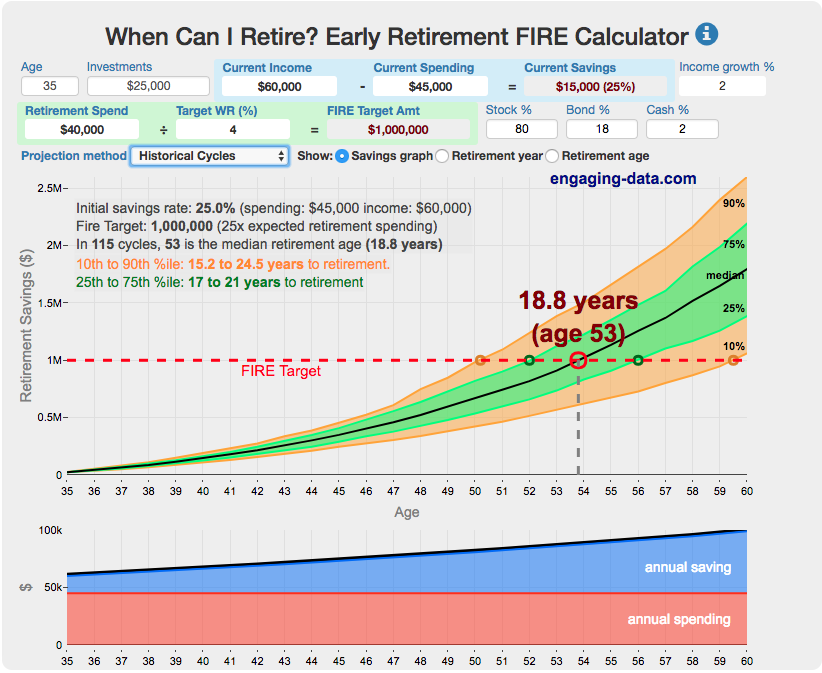
Planning for Early Retirement: A Comprehensive Guide with Expense Considerations
Dreaming of leaving the 9-to-5 grind behind and embracing early retirement? It's a goal many aspire to, but achieving it requires careful planning and a clear understanding of your financial situation. A crucial tool in this process is an early retirement calculator with expenses. This article will delve into how these calculators work, why they are essential, and how to use them effectively to map out your path to financial freedom.
Why Use an Early Retirement Calculator with Expenses?
Retiring early presents unique challenges compared to traditional retirement. You'll likely need to fund a longer retirement period and may not have access to Social Security or other age-restricted benefits for several years. A retirement calculator with expense inputs helps you:
- Estimate your retirement needs: It projects how much money you'll need to cover your living expenses throughout your retirement.
- Assess your current savings: It evaluates whether your current savings and investments are on track to meet your retirement goals.
- Identify potential shortfalls: It highlights any gaps between your projected savings and your estimated expenses.
- Adjust your plan: It allows you to experiment with different scenarios, such as increasing savings, reducing expenses, or delaying retirement, to see how they impact your financial outlook.
Key Inputs for an Early Retirement Calculator
To get accurate results, an early retirement calculator requires several key inputs. These typically include:
Current Age and Desired Retirement Age
This is the foundation of your calculations. The difference between these two ages determines the length of your working years and the duration of your retirement.
Current Savings and Investments
Enter the total value of your retirement accounts (401(k), IRA, etc.), savings accounts, and other investments that you plan to use during retirement. Be realistic about the value of these assets.
Current Annual Income
Your current income provides a baseline for estimating your future savings potential. The calculator might ask about income growth rate as well.
Estimated Annual Expenses in Retirement
This is where the "with expenses" part of the calculator becomes crucial. Don't just guess; carefully consider all your potential expenses. Break it down into categories:
Housing Costs
Will you own your home outright, or will you still have a mortgage? Include property taxes, homeowners insurance, and maintenance costs. Consider if you plan to downsize or relocate, which could significantly impact these expenses.
Healthcare Costs
Healthcare is often the biggest unknown expense in retirement. Research estimated costs for health insurance (especially before Medicare eligibility), prescriptions, and potential long-term care needs. Factor in inflation, as healthcare costs tend to rise faster than other expenses.
Food and Groceries
Estimate your monthly food budget. Consider whether you'll be eating out more or less in retirement. Don't forget to account for inflation.
Transportation Costs
Will you still need a car? Include car payments, insurance, gas, and maintenance. Consider public transportation options or the possibility of reducing your reliance on a vehicle.
Travel and Leisure
This is where you can factor in your desired lifestyle. Do you plan to travel extensively? Include the costs of flights, accommodations, and activities.
Utilities
Estimate your monthly utility bills, including electricity, gas, water, and internet.
Other Expenses
Don't forget to include other expenses like clothing, entertainment, gifts, subscriptions, and personal care.
Inflation Rate
Inflation erodes the purchasing power of your money over time. The calculator will ask you to input an estimated inflation rate to project future expenses in today's dollars. A conservative estimate is usually recommended.
Investment Return Rate
This is the estimated average annual return on your investments during retirement. Be realistic and conservative, as investment returns are not guaranteed. A common range to use is 4-6% after inflation.
Tax Rate in Retirement
Consider how taxes will impact your retirement income. This can be tricky to estimate, as tax laws can change. Consult with a financial advisor for personalized tax planning.
Social Security and Pension Income (if applicable)
If you plan to receive Social Security benefits or pension income, include the estimated amounts. Remember that claiming Social Security early will reduce your monthly benefit.
Finding the Right Early Retirement Calculator
Many free early retirement calculators are available online. Look for calculators that allow you to input detailed expense information. Some popular options include:
- Online financial planning websites: Many websites offer free calculators as part of their financial planning tools.
- Brokerage firms: Many brokerage firms provide retirement calculators to their clients.
- Independent financial websites: Numerous websites specialize in personal finance and offer free retirement calculators.
Using the Calculator Effectively
Once you've found a calculator, follow these tips to use it effectively:
- Be realistic: Don't overestimate your investment returns or underestimate your expenses.
- Run multiple scenarios: Experiment with different assumptions to see how they impact your results. What happens if you retire a year later? What if your investment returns are lower than expected?
- Review and update regularly: Your financial situation will change over time. Review and update your retirement plan and calculator inputs at least once a year.
- Consult with a financial advisor: A financial advisor can help you develop a comprehensive retirement plan tailored to your specific needs and goals. They can also provide guidance on investment strategies, tax planning, and other financial matters.
Beyond the Calculator: Other Important Considerations
While an early retirement calculator with expenses is a valuable tool, it's just one piece of the puzzle. Other important considerations include:
Health Insurance
Securing affordable health insurance before Medicare eligibility is crucial. Research your options and factor in the costs.
Long-Term Care Planning
Consider the potential need for long-term care and how you will fund it. Long-term care insurance or other strategies may be necessary.
Estate Planning
Create a will or trust to ensure your assets are distributed according to your wishes.
Contingency Planning
Have a plan for unexpected expenses or financial emergencies. An emergency fund can provide a cushion.
Planning for early retirement is a complex process, but with careful planning and the use of an early retirement calculator with expenses, you can increase your chances of achieving your financial goals and enjoying a fulfilling retirement.

0 Comments