
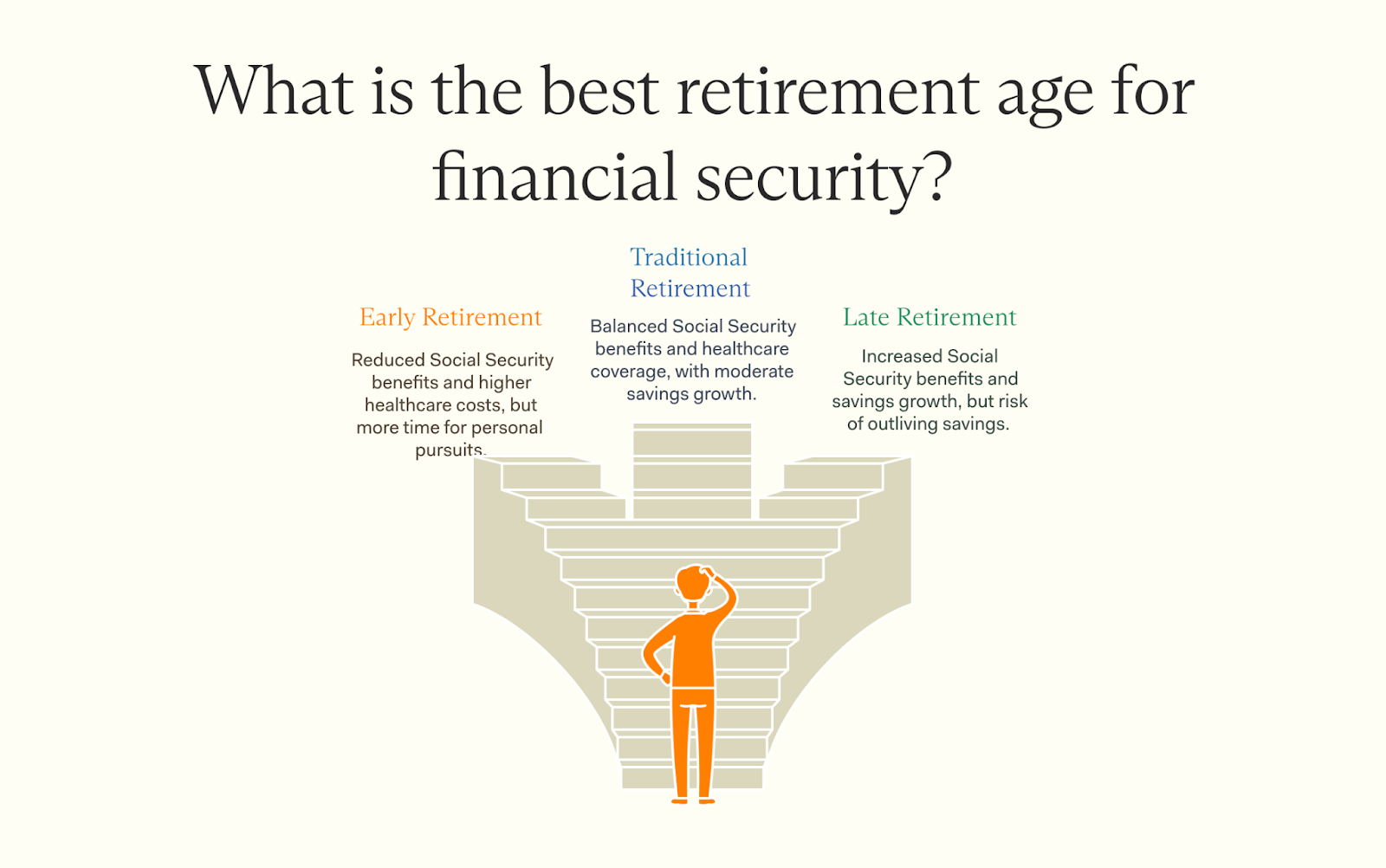
The Allure of Early Retirement
Early retirement, the dream of leaving the workforce before the traditional age of 65, is becoming increasingly popular. The appeal is undeniable: more time for hobbies, travel, family, and pursuing passions without the constraints of a 9-to-5 job. However, achieving financial security to support an early retirement requires careful planning, disciplined saving, and a strategic approach to investments. It's not just about wanting to retire early; it's about ensuring you can *afford* to retire early and maintain your desired lifestyle.
Assessing Your Current Financial Situation
Before even contemplating an early retirement date, a thorough assessment of your current financial standing is crucial. This involves understanding your income, expenses, assets, and liabilities. Consider these key factors:
Calculating Your Net Worth
Your net worth is the difference between what you own (assets) and what you owe (liabilities). Assets include your savings, investments, real estate, and other valuable possessions. Liabilities include debts like mortgages, student loans, and credit card balances. Calculating your net worth provides a snapshot of your current financial health and serves as a baseline for future planning.
Tracking Your Expenses
Understanding where your money goes is essential for budgeting and identifying areas where you can potentially save. Use budgeting apps, spreadsheets, or traditional pen-and-paper methods to track your monthly expenses. Categorize your spending into necessities (housing, food, transportation), discretionary expenses (entertainment, dining out), and debt payments. This detailed analysis will reveal your spending habits and inform your savings goals.
Evaluating Your Retirement Savings
Assess the current value of your retirement accounts, such as 401(k)s, IRAs, and pension plans. Understand the vesting schedules, contribution limits, and tax implications associated with each account. Project the future growth of these accounts based on historical returns and your anticipated contribution rates. Remember to factor in inflation when estimating future values.
Determining Your Retirement Needs
Once you have a clear picture of your current financial situation, the next step is to estimate your retirement needs. This involves projecting your future expenses and determining how much income you'll need to maintain your desired lifestyle in retirement.
Estimating Retirement Expenses
Retirement expenses can vary significantly depending on your lifestyle, location, and healthcare needs. Some expenses, like commuting costs, may decrease, while others, like healthcare, may increase. Consider these factors when estimating your retirement expenses:
- Housing: Will you downsize, stay in your current home, or relocate?
- Healthcare: Factor in health insurance premiums, co-pays, and potential long-term care costs.
- Food: Estimate your grocery and dining-out expenses.
- Transportation: Account for car payments, insurance, and fuel costs.
- Travel and Entertainment: Budget for your desired leisure activities.
- Taxes: Consider income taxes, property taxes, and estate taxes.
It's generally recommended to estimate that you'll need around 70-80% of your pre-retirement income to maintain your current standard of living in retirement. However, this is just a guideline, and your individual needs may vary.
Calculating Your Retirement Income
Determine your potential sources of retirement income, including:
- Social Security: Estimate your Social Security benefits based on your earnings history.
- Pension Income: If you have a pension plan, calculate your anticipated monthly payments.
- Investment Income: Project the income you'll receive from your retirement accounts and other investments.
- Part-Time Work: Consider whether you plan to work part-time in retirement to supplement your income.
Subtract your estimated retirement income from your estimated retirement expenses to determine your retirement income gap. This gap represents the amount of savings you'll need to accumulate to fund your retirement.
Developing a Savings and Investment Strategy
With a clear understanding of your retirement needs, you can develop a savings and investment strategy to bridge the gap between your current savings and your retirement goals. This involves setting realistic savings goals, choosing appropriate investment vehicles, and managing your portfolio effectively.
Setting Realistic Savings Goals
Calculate how much you need to save each month to reach your retirement savings goal. Consider automating your savings by setting up recurring transfers from your checking account to your retirement accounts. Increase your savings rate gradually over time as your income increases.
Choosing Appropriate Investment Vehicles
Diversify your investments across different asset classes, such as stocks, bonds, and real estate, to manage risk and maximize returns. Consider investing in tax-advantaged retirement accounts, such as 401(k)s and IRAs, to reduce your tax burden. Consult with a financial advisor to determine the best investment strategy for your individual circumstances.
Managing Your Portfolio Effectively
Regularly review your portfolio to ensure it aligns with your risk tolerance and investment goals. Rebalance your portfolio periodically to maintain your desired asset allocation. Consider working with a financial advisor to manage your portfolio and make informed investment decisions.
Addressing Potential Risks and Challenges
Early retirement comes with its own set of risks and challenges. It's important to anticipate these potential issues and develop strategies to mitigate them.
Healthcare Costs
Healthcare costs are a major concern for early retirees. Research your healthcare options and consider purchasing supplemental health insurance to cover potential gaps in coverage. Factor in the rising cost of healthcare when estimating your retirement expenses.
Inflation
Inflation can erode the purchasing power of your savings over time. Factor in inflation when projecting your retirement expenses and adjust your investment strategy accordingly. Consider investing in assets that tend to outperform inflation, such as stocks and real estate.
Longevity Risk
Longevity risk is the risk of outliving your savings. Estimate your life expectancy and plan accordingly. Consider purchasing an annuity to provide a guaranteed stream of income for life.
Unexpected Expenses
Unexpected expenses can derail your retirement plans. Build an emergency fund to cover unexpected costs, such as home repairs or medical bills. Consider purchasing long-term care insurance to protect against the cost of long-term care services.
Making the Decision to Retire Early
The decision to retire early is a personal one. Carefully weigh the pros and cons of early retirement and consider your individual circumstances. Consult with a financial advisor to determine if early retirement is the right choice for you. Remember, financial security is paramount. A well-thought-out plan, diligent saving, and smart investing are your keys to unlocking the door to a fulfilling and financially secure early retirement.

0 Comments