
The Rise of Automation in Transportation
The transportation industry is undergoing a radical transformation, largely driven by the relentless march of automation. From self-driving trucks to automated warehouse systems, the integration of technology is reshaping how goods and people move across the globe. This analysis delves into the multifaceted impact of automation, exploring its benefits, challenges, and future implications for the transportation sector.
Key Areas of Automation in Transportation
Automation is manifesting in various forms across the transportation landscape. Understanding these key areas is crucial for comprehending the overall impact.
Autonomous Vehicles (AVs)
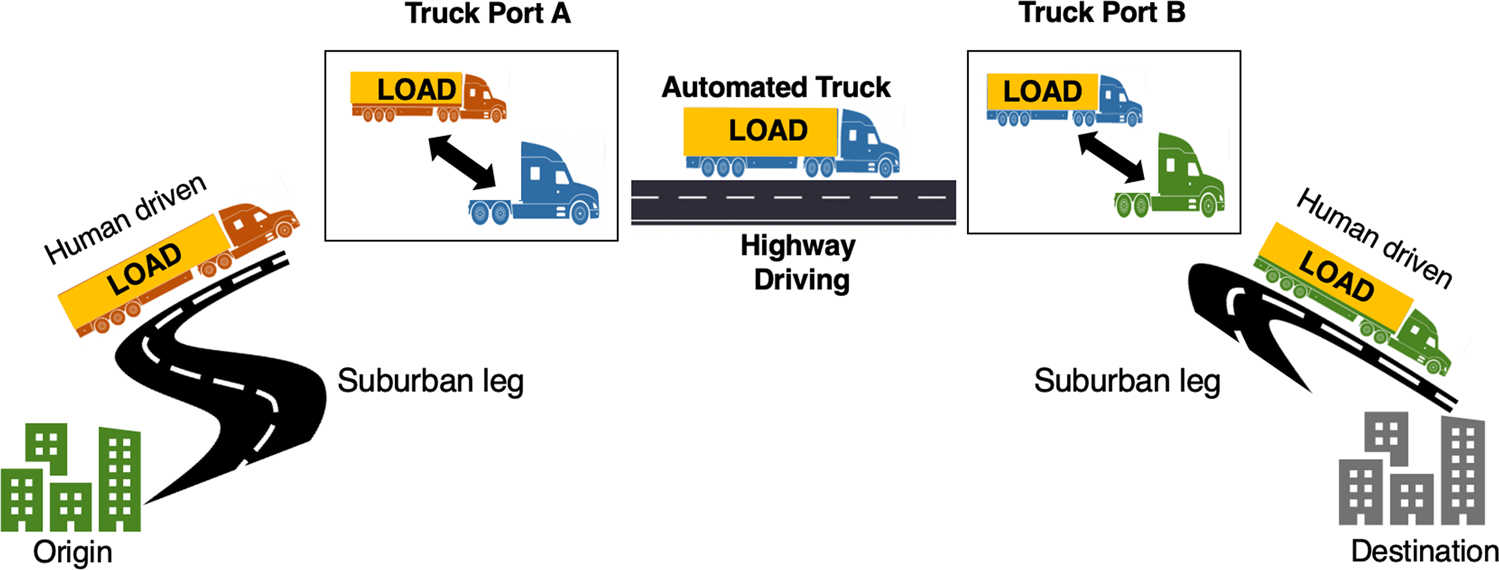
Perhaps the most visible aspect of automation is the development and deployment of autonomous vehicles. This includes self-driving cars, trucks, buses, and even ships and aircraft. AVs promise increased safety, efficiency, and reduced fuel consumption by optimizing routes and driving behavior. The technology relies on a combination of sensors, artificial intelligence (AI), and sophisticated algorithms to navigate roads and traffic.
Automated Warehouses and Logistics
Beyond vehicles themselves, automation is revolutionizing warehouses and logistics operations. Automated guided vehicles (AGVs), robotic arms, and automated storage and retrieval systems (AS/RS) are streamlining processes, reducing labor costs, and improving order fulfillment accuracy. These systems can operate 24/7, increasing throughput and reducing delays.
Traffic Management Systems
Smart traffic management systems leverage data analytics and AI to optimize traffic flow, reduce congestion, and improve overall transportation efficiency. These systems can dynamically adjust traffic light timings, provide real-time traffic updates to drivers, and even predict and prevent accidents. The use of sensors, cameras, and communication networks allows for a more responsive and adaptive transportation infrastructure.
Drones and Delivery Services
The use of drones for delivery services is another emerging area of automation. Drones offer a fast and efficient way to transport small packages, especially in urban areas where traffic congestion is a major issue. While regulatory hurdles remain, the potential for drone delivery to revolutionize last-mile logistics is significant.
Benefits of Automation in Transportation
The adoption of automation in transportation offers a wide array of potential benefits, impacting various stakeholders from businesses to consumers.
Increased Efficiency and Productivity
Automation can significantly increase efficiency and productivity in transportation operations. Automated systems can operate continuously without breaks, reducing downtime and maximizing throughput. This leads to faster delivery times, reduced transportation costs, and improved overall supply chain performance. For example, automated warehouses can process orders much faster than manual operations, reducing lead times and improving customer satisfaction.
Improved Safety
One of the most compelling arguments for automation is the potential for improved safety. Human error is a major cause of accidents in transportation, and automated systems can eliminate many of these errors. AVs, for instance, are programmed to follow traffic laws, maintain safe distances, and react quickly to changing conditions. Similarly, automated traffic management systems can help prevent accidents by optimizing traffic flow and providing real-time warnings to drivers.
Reduced Costs
Automation can lead to significant cost savings in the long run. While the initial investment in automation technology can be substantial, the reduced labor costs, increased efficiency, and improved safety can result in a significant return on investment. Automated systems require less human intervention, reducing the need for large workforces. Furthermore, the improved efficiency and reduced fuel consumption can lead to lower operating costs.
Enhanced Customer Experience
Automation can enhance the customer experience by providing faster, more reliable, and more convenient transportation services. Faster delivery times, real-time tracking of shipments, and more personalized services are just some of the ways that automation can improve customer satisfaction. For example, customers can use mobile apps to track the location of their packages and receive notifications when they are delivered.
Challenges and Concerns Associated with Automation
Despite the numerous benefits, the implementation of automation in transportation also presents several challenges and concerns that need to be addressed.
Job Displacement
One of the biggest concerns associated with automation is the potential for job displacement. As automated systems become more prevalent, there is a risk that many transportation jobs, such as truck drivers, warehouse workers, and delivery drivers, could be eliminated. Addressing this challenge requires proactive measures, such as retraining programs and investments in new industries that can create jobs for displaced workers. It is also crucial to consider the social and economic impact of job displacement and develop strategies to mitigate its negative effects.
Security Risks
Automated systems are vulnerable to cyberattacks, which could disrupt transportation operations and compromise safety. Ensuring the security of these systems requires robust cybersecurity measures, including encryption, intrusion detection systems, and regular security audits. It is also important to develop contingency plans to deal with cyberattacks and to ensure that systems can be quickly restored in the event of a breach.
Regulatory and Legal Issues
The widespread adoption of automation raises a number of regulatory and legal issues that need to be addressed. For example, who is liable in the event of an accident involving an autonomous vehicle? How should regulations be adapted to accommodate new technologies such as drones? Addressing these issues requires collaboration between governments, industry stakeholders, and legal experts to develop clear and comprehensive regulatory frameworks.
Ethical Considerations
Automation raises a number of ethical considerations that need to be carefully considered. For example, how should autonomous vehicles be programmed to make decisions in the event of an unavoidable accident? How should data be collected and used to ensure privacy and fairness? Addressing these ethical issues requires open and transparent discussions about the values and principles that should guide the development and deployment of automated systems.
The Future of Automation in Transportation
The future of automation in transportation is likely to be characterized by continued innovation and integration of technology. As AI, robotics, and sensor technology continue to advance, we can expect to see even more sophisticated and capable automated systems. This will lead to further improvements in efficiency, safety, and sustainability. The key is to proactively address the challenges and concerns associated with automation to ensure that its benefits are realized while mitigating its risks.

0 Comments