
Introduction: Brexit and its Economic Ramifications
Brexit, the United Kingdom's withdrawal from the European Union, has been one of the most significant economic and political events in recent history. The decision, made in a 2016 referendum, has had far-reaching consequences for the UK economy, impacting trade, investment, employment, and various sectors. This article provides a detailed analysis of the impact of Brexit on the UK economy, examining the key areas affected and the challenges and opportunities that have arisen.
Trade and the Single Market
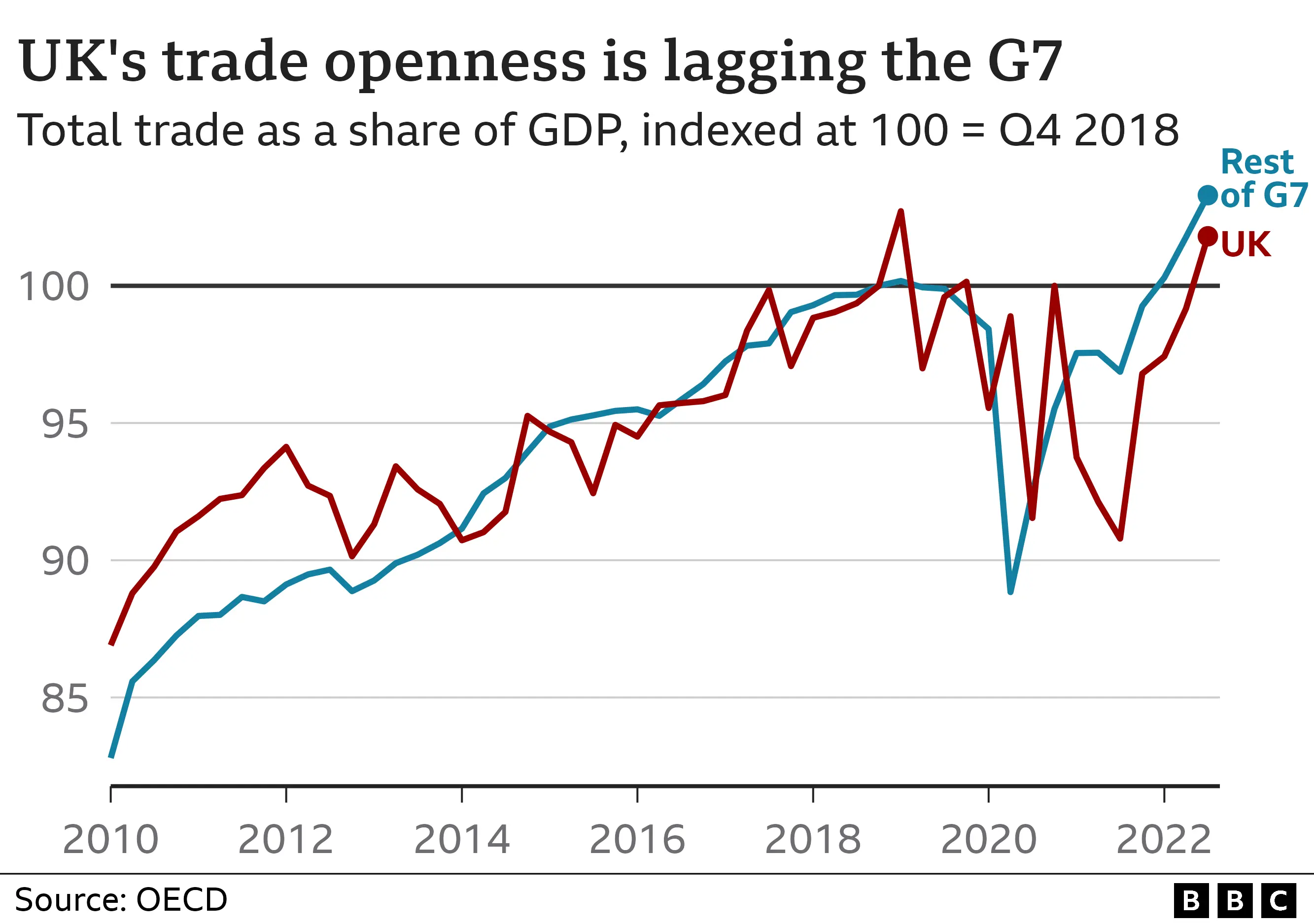
One of the most immediate and significant impacts of Brexit has been on the UK's trade relationships. Prior to Brexit, the UK enjoyed frictionless trade with EU member states as part of the single market and customs union. Leaving these arrangements has introduced new barriers to trade, including customs checks, regulatory divergence, and increased administrative burdens.
The Impact on Exports and Imports
Brexit has led to a decline in both UK exports to and imports from the EU. New customs procedures and regulatory compliance requirements have increased costs and delays for businesses trading with the EU. This has particularly affected sectors that rely heavily on just-in-time supply chains, such as the automotive and food industries. While the UK has sought to establish new trade agreements with countries outside the EU, these have not yet fully compensated for the loss of access to the EU single market. The Office for Budget Responsibility (OBR) has consistently highlighted the negative impact of Brexit on UK trade volumes. The introduction of the Trade and Cooperation Agreement (TCA) with the EU, while avoiding tariffs, has not eliminated non-tariff barriers.
Changes in Trade Patterns
Brexit has also led to a shift in the UK's trade patterns. While trade with the EU has declined, there has been an increase in trade with countries outside the EU. The UK has pursued new trade deals with countries such as Australia and Japan, aiming to diversify its trade relationships. However, these new agreements have not yet fully offset the decline in trade with the EU. Furthermore, the complexity and costs associated with these new trade arrangements can be significant, especially for small and medium-sized enterprises (SMEs).
Foreign Direct Investment (FDI)
Foreign direct investment (FDI) is a crucial component of economic growth, bringing capital, technology, and expertise into a country. Brexit has had a notable impact on FDI flows into the UK.
Decline in FDI Inflows
Since the Brexit referendum, there has been a decline in FDI inflows into the UK. Uncertainty surrounding the UK's future relationship with the EU has deterred some foreign investors. Companies that previously used the UK as a gateway to the EU single market have reconsidered their investment strategies. The OBR has noted that Brexit has contributed to a reduction in the UK's attractiveness as an investment destination.
Shift in Investment Destinations
Brexit has also led to a shift in investment destinations. Some companies have relocated their operations from the UK to EU member states to maintain access to the single market. This has resulted in a loss of jobs and economic activity in the UK. However, the UK continues to attract FDI in certain sectors, such as technology and financial services, due to its skilled workforce and established infrastructure.
The Labor Market
The labor market is another area that has been significantly affected by Brexit. The UK's departure from the EU has impacted the availability of labor, particularly in sectors that relied heavily on EU workers.
Labor Shortages
Brexit has contributed to labor shortages in several sectors, including agriculture, hospitality, and healthcare. The end of free movement has made it more difficult for UK businesses to recruit workers from the EU. This has led to increased wage pressures and difficulties in filling vacancies. The government has introduced new immigration policies to address these labor shortages, but these have not fully resolved the issue.
Impact on Wages
The reduced supply of labor has put upward pressure on wages in some sectors. While this may benefit some workers, it can also increase costs for businesses and potentially lead to inflation. The Bank of England has been closely monitoring wage growth and its potential impact on inflation. Some economists argue that the long-term impact of Brexit on wages remains uncertain and will depend on factors such as productivity growth and government policies.
Specific Sectors Affected
The impact of Brexit has varied across different sectors of the UK economy. Some sectors have been more heavily affected than others.
Financial Services
The financial services sector, a major contributor to the UK economy, has faced significant challenges due to Brexit. The loss of passporting rights, which allowed UK-based financial firms to operate freely within the EU, has led to some firms relocating their operations to EU member states. While the UK and the EU have reached agreements on certain aspects of financial services regulation, uncertainty remains regarding the long-term relationship between the two.
Agriculture and Food
The agriculture and food sector has been particularly affected by Brexit. New customs procedures and regulatory requirements have increased costs and delays for businesses trading agricultural products with the EU. Labor shortages have also been a significant issue, particularly in the harvesting of crops. The government has introduced measures to support the agriculture sector, but challenges remain.
Manufacturing
The manufacturing sector has also faced challenges due to Brexit. Increased trade barriers and supply chain disruptions have affected manufacturers that rely on imports from the EU. However, some manufacturers have benefited from increased domestic demand as businesses seek to source products locally. The government has introduced policies to support the manufacturing sector, including investment in research and development.
The Northern Ireland Protocol
The Northern Ireland Protocol, designed to avoid a hard border on the island of Ireland, has created unique economic challenges. The protocol has led to new trade barriers between Great Britain and Northern Ireland, causing disruptions to supply chains and increasing costs for businesses. The protocol has also been a source of political tension, with some parties calling for its renegotiation.
Economic Impact on Northern Ireland
The Northern Ireland Protocol has had a mixed economic impact on Northern Ireland. While it has allowed Northern Ireland to maintain access to the EU single market, it has also created new trade barriers with Great Britain. The protocol has led to increased costs for businesses and disruptions to supply chains. The long-term economic impact of the protocol remains uncertain and will depend on factors such as the implementation of the agreement and the future relationship between the UK and the EU.
Opportunities Arising from Brexit
While Brexit has presented numerous challenges, it has also created some opportunities for the UK economy.
Regulatory Flexibility
Brexit has given the UK greater flexibility to set its own regulations and standards. This could allow the UK to pursue policies that are tailored to its specific needs and priorities. The government has identified several areas where it plans to diverge from EU regulations, including environmental policy and financial services regulation. However, the benefits of regulatory flexibility will depend on how effectively the government uses its new powers.
New Trade Agreements
Brexit has allowed the UK to pursue new trade agreements with countries around the world. The UK has already signed trade deals with countries such as Australia and Japan, and it is seeking to negotiate agreements with other countries. These new trade deals could help to diversify the UK's trade relationships and boost economic growth. However, the benefits of these agreements will depend on their scope and the extent to which they offset the loss of access to the EU single market.
Innovation and Technology
Brexit could create opportunities for innovation and technology in the UK. The government has emphasized the importance of investing in research and development to drive economic growth. Brexit could also lead to greater investment in skills and training, helping to improve the UK's competitiveness. The UK has a strong track record in innovation and technology, and Brexit could provide an opportunity to build on this.

0 Comments