
Understanding the Burden of Medical Debt
Medical debt is a significant financial challenge for many individuals and families. Unexpected illnesses, accidents, and chronic conditions can lead to substantial medical bills that are difficult to manage. Even with health insurance, high deductibles, co-pays, and uncovered procedures can quickly accumulate into a mountain of debt. This debt can impact your credit score, limit your financial options, and cause significant stress.
What is a Debt Consolidation Loan?
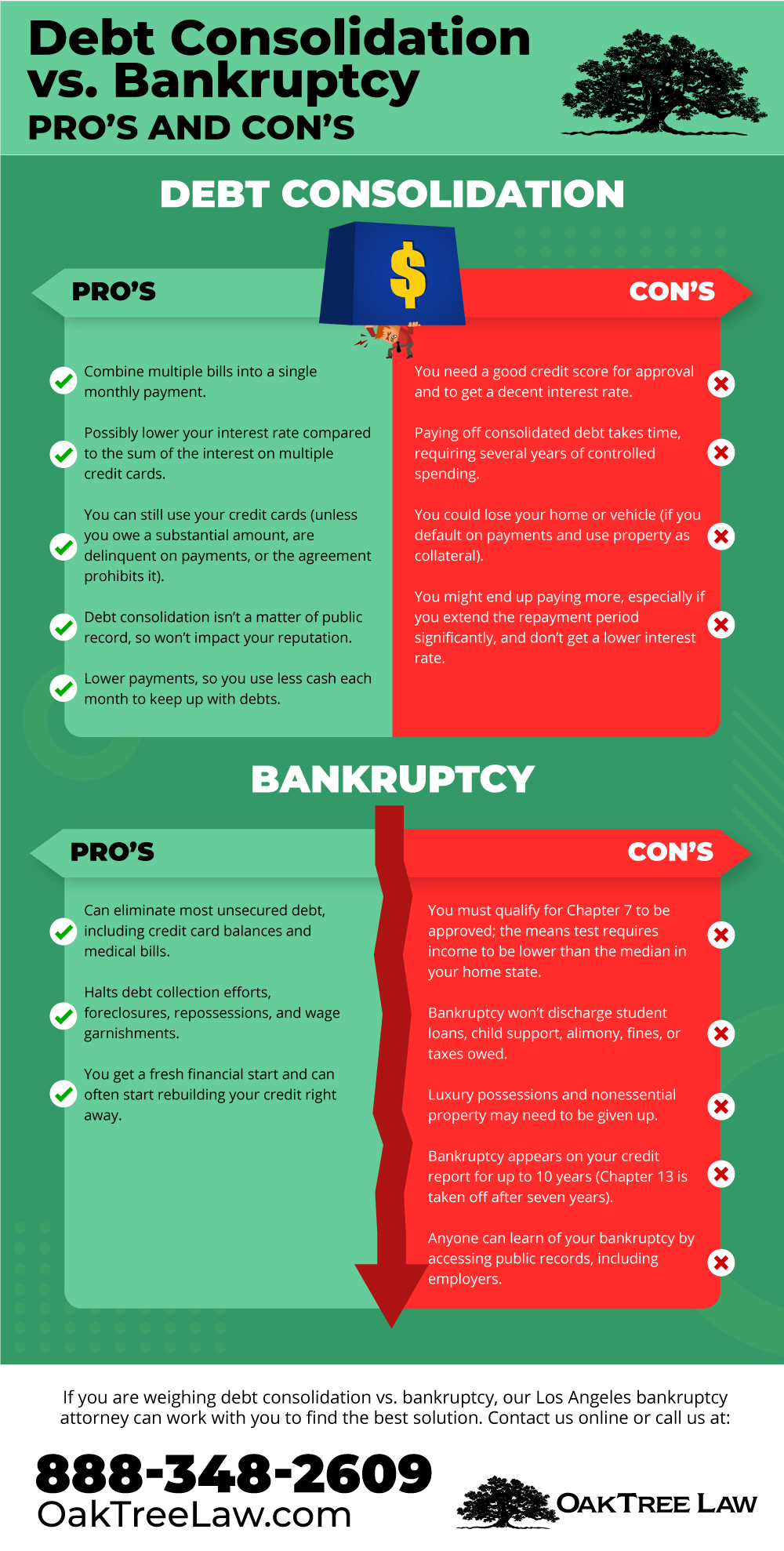
A debt consolidation loan is a type of personal loan that allows you to combine multiple debts into a single, more manageable loan. Instead of making several payments to different creditors with varying interest rates and due dates, you make one fixed monthly payment to the lender providing the debt consolidation loan. This can simplify your finances and potentially lower your overall interest rate, saving you money in the long run.
How Can a Debt Consolidation Loan Help with Medical Bills?
Debt consolidation loans can be particularly helpful for individuals struggling with medical debt. Here's how:
Simplifying Payments
Instead of juggling multiple medical bills from hospitals, doctors, labs, and other healthcare providers, you'll have just one monthly payment to manage. This simplifies your budgeting and reduces the risk of missing payments, which can negatively impact your credit score.
Potentially Lowering Interest Rates
Medical bills often carry high interest rates, especially if they are charged to credit cards. A debt consolidation loan may offer a lower interest rate than your existing medical debts, particularly if you have a good credit score. This can significantly reduce the amount of interest you pay over the life of the loan.
Improving Your Credit Score
Consolidating your medical debt into a single loan can improve your credit score in several ways. First, it can lower your credit utilization ratio, which is the amount of credit you're using compared to your total available credit. Second, it can help you avoid late payments and defaults, which can damage your credit score. Finally, making consistent, on-time payments on your debt consolidation loan can demonstrate responsible credit behavior and improve your creditworthiness over time.
Creating a Clear Repayment Plan
A debt consolidation loan provides a structured repayment plan with a fixed monthly payment and a defined loan term. This allows you to budget effectively and know exactly when your debt will be paid off. This clarity can provide peace of mind and help you regain control of your finances.
Steps to Take Before Applying for a Debt Consolidation Loan
Before you apply for a debt consolidation loan for medical bills, consider the following steps:
Assess Your Medical Debt
Gather all your medical bills and determine the total amount you owe. Make a list of each creditor, the amount owed, and the interest rate. This will help you determine how much you need to borrow and whether a debt consolidation loan is the right solution for you.
Check Your Credit Score
Your credit score is a major factor in determining the interest rate and terms you'll receive on a debt consolidation loan. Check your credit report from all three major credit bureaus (Equifax, Experian, and TransUnion) to ensure there are no errors. If you find any inaccuracies, dispute them with the credit bureau.
Compare Loan Options
Shop around and compare loan offers from different lenders, including banks, credit unions, and online lenders. Pay attention to the interest rate, fees, loan term, and repayment options. Use online loan comparison tools to easily compare different offers side by side.
Consider Secured vs. Unsecured Loans
Debt consolidation loans can be either secured or unsecured. Secured loans require you to pledge an asset, such as your home or car, as collateral. Unsecured loans do not require collateral but typically have higher interest rates. Consider the risks and benefits of each type of loan before making a decision. For medical bills, an unsecured loan is generally the better option to avoid risking your assets.
Factors to Consider When Choosing a Debt Consolidation Loan
When evaluating debt consolidation loan options, consider the following factors:
Interest Rate
The interest rate is the cost of borrowing money. Look for the lowest possible interest rate to minimize the amount you pay over the life of the loan. Compare the Annual Percentage Rate (APR), which includes the interest rate and any fees associated with the loan.
Fees
Some lenders charge origination fees, prepayment penalties, or other fees. Be sure to factor these fees into your overall cost of the loan.
Loan Term
The loan term is the length of time you have to repay the loan. A shorter loan term will result in higher monthly payments but lower overall interest costs. A longer loan term will result in lower monthly payments but higher overall interest costs. Choose a loan term that fits your budget and financial goals.
Repayment Options
Some lenders offer flexible repayment options, such as the ability to defer payments or change your payment due date. Consider these options if you anticipate potential financial challenges in the future.
Lender Reputation
Choose a reputable lender with a strong track record of customer service and ethical lending practices. Read online reviews and check with the Better Business Bureau to assess the lender's reputation.
Alternatives to Debt Consolidation Loans for Medical Bills
While debt consolidation loans can be a helpful solution for managing medical debt, they are not the only option. Consider the following alternatives:
Negotiating with Healthcare Providers
Contact your healthcare providers and ask if they offer discounts or payment plans. Many hospitals and doctors are willing to negotiate the cost of your medical bills, especially if you are uninsured or have limited income. You may be able to negotiate a lower lump-sum payment or set up a monthly payment plan.
Medical Bill Advocacy
Consider hiring a medical bill advocate to review your medical bills for errors and negotiate with your healthcare providers on your behalf. Medical bill advocates can identify billing errors, negotiate lower prices, and help you understand your rights.
Nonprofit Credit Counseling
Contact a nonprofit credit counseling agency for assistance with managing your medical debt. Credit counselors can provide budgeting advice, debt management plans, and negotiate with your creditors on your behalf.
Medical Credit Cards
Some healthcare providers offer medical credit cards, which can be used to finance medical expenses. However, be cautious of these cards, as they often have high interest rates and deferred interest plans. If you don't pay off the balance before the promotional period ends, you could be charged retroactive interest on the entire balance.
Government Assistance Programs
Explore government assistance programs that may help you cover your medical expenses. Medicaid, Medicare, and other state and federal programs offer financial assistance to eligible individuals and families.
Potential Risks of Debt Consolidation Loans
While debt consolidation loans can be beneficial, it's important to be aware of the potential risks:
Increased Debt
If you're not careful, you could end up increasing your overall debt by borrowing more than you need or by using the loan to finance additional expenses. It's important to create a budget and stick to it to avoid accumulating more debt.
Higher Interest Rates
If you have a poor credit score, you may not qualify for a low-interest debt consolidation loan. In some cases, the interest rate on the loan could be higher than the interest rates on your existing medical debts.
Fees and Penalties
Some lenders charge origination fees, prepayment penalties, or other fees that can add to the overall cost of the loan. Be sure to read the fine print and understand all the fees involved before you sign the loan agreement.
Credit Score Impact
While debt consolidation can improve your credit score in the long run, it can also have a negative impact in the short term. Applying for a loan can temporarily lower your credit score, and closing multiple accounts can also have a negative impact on your credit utilization ratio.

0 Comments