
The Power of Data Analytics in Insurance Pricing
In the highly competitive insurance industry, accurate and dynamic pricing is crucial for profitability and sustainable growth. Gone are the days of relying solely on traditional actuarial methods. Data analytics has emerged as a powerful tool, transforming how insurance companies assess risk, personalize pricing, and gain a competitive edge. This article delves into the various applications of data analytics in insurance pricing, highlighting its benefits and potential challenges.
Understanding the Fundamentals: Insurance Pricing and Risk Assessment
Insurance pricing is fundamentally about assessing risk and determining an appropriate premium that covers potential claims and operational costs while generating a profit. Traditionally, actuaries relied on historical data, statistical models, and their expert judgment to estimate future losses. This involved analyzing demographic factors, past claims data, and other readily available information.
However, this approach often lacked granularity and the ability to capture subtle nuances in risk profiles. It also struggled to adapt to rapidly changing market conditions and emerging risks. This is where data analytics steps in, offering a more sophisticated and data-driven approach to pricing.
How Data Analytics is Revolutionizing Insurance Pricing
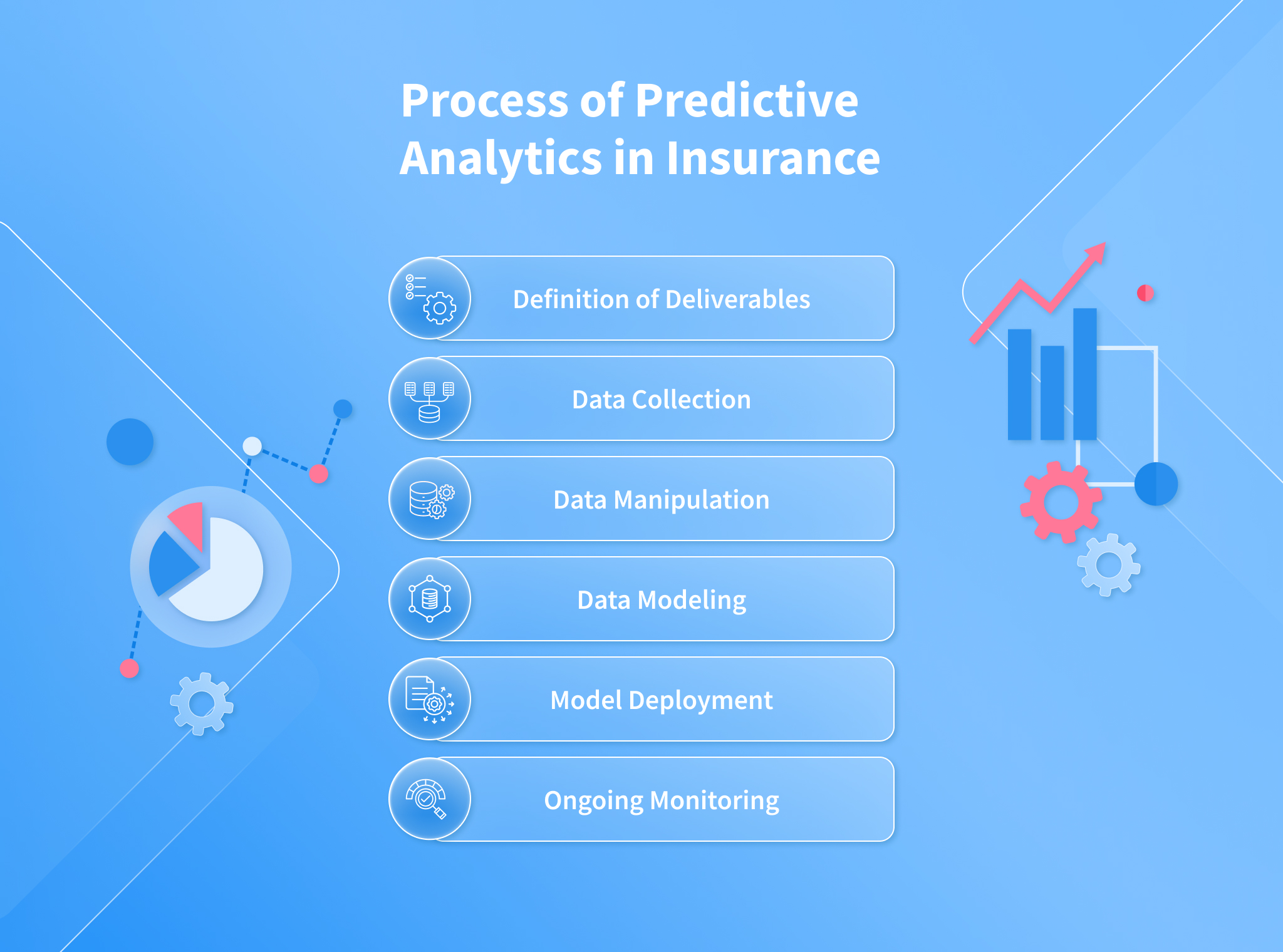
Data analytics leverages advanced statistical techniques, machine learning algorithms, and vast datasets to improve the accuracy and efficiency of insurance pricing. Here are some key applications:
Predictive Modeling for Risk Assessment
Predictive modeling is at the heart of data-driven insurance pricing. By analyzing a wide range of data points, including demographic information, behavioral data, lifestyle factors, and even external data sources like weather patterns and economic indicators, insurers can build sophisticated models that predict the likelihood of claims. These models can identify high-risk individuals or groups with greater precision, allowing for more targeted pricing strategies.
For example, in auto insurance, predictive models can analyze driving behavior (e.g., speeding, hard braking) collected through telematics devices to assess the risk of accidents. In health insurance, models can predict the likelihood of chronic diseases based on factors like age, family history, and lifestyle choices. The more data points included, the more accurate the predictions are likely to be.
Personalized Pricing and Customer Segmentation
Data analytics enables insurers to move beyond broad-brush pricing and offer personalized premiums tailored to individual risk profiles. By segmenting customers based on their specific characteristics and behaviors, insurers can create more targeted pricing strategies that reflect the true risk associated with each individual or group. This leads to fairer pricing for low-risk customers and more competitive rates for those who might have been previously priced out of the market.
Imagine a homeowner's insurance scenario. Traditionally, premiums might be based primarily on the location and size of the house. With data analytics, factors like the age of the roof, the presence of security systems, and even the homeowner's credit score can be incorporated into the pricing model, resulting in a more accurate and personalized premium.
Fraud Detection and Prevention
Insurance fraud is a significant problem, costing the industry billions of dollars each year. Data analytics can play a crucial role in detecting and preventing fraudulent claims. By analyzing claims data, identifying suspicious patterns, and flagging potentially fraudulent activities, insurers can minimize losses and protect themselves from financial risks.
For instance, machine learning algorithms can identify claims that deviate significantly from the norm, based on factors like the type of injury, the medical provider involved, and the claimant's history. These claims can then be flagged for further investigation.
Dynamic Pricing and Real-Time Adjustments
Data analytics allows insurers to dynamically adjust prices in response to changing market conditions and emerging risks. By continuously monitoring data and updating pricing models, insurers can stay ahead of the curve and maintain a competitive edge. This is particularly important in rapidly evolving markets where traditional pricing methods may quickly become outdated.
Consider the impact of climate change. As extreme weather events become more frequent and severe, insurers need to adjust their pricing models to reflect the increased risk of property damage. Data analytics can help them assess the impact of climate change on specific regions and adjust premiums accordingly.
Improving Customer Experience
While data analytics is primarily focused on risk assessment and pricing, it can also contribute to a better customer experience. By understanding customer needs and preferences, insurers can offer more personalized products and services. For instance, they can offer discounts to customers who adopt safer behaviors or provide tailored recommendations for risk mitigation.
Furthermore, data analytics can streamline the claims process, making it faster and more efficient for customers. By automating certain tasks and providing real-time updates, insurers can improve customer satisfaction and build stronger relationships.
The Challenges of Implementing Data Analytics in Insurance Pricing
While the benefits of data analytics in insurance pricing are undeniable, there are also several challenges that insurers need to address:
Data Quality and Availability
The success of data analytics depends on the quality and availability of data. Insurers need to ensure that their data is accurate, complete, and consistent. They also need to have access to a wide range of data sources, both internal and external. This may require significant investments in data infrastructure and data management capabilities.
Talent Acquisition and Training
Implementing data analytics requires a skilled workforce with expertise in statistical modeling, machine learning, and data science. Insurers need to invest in talent acquisition and training to build a team that can effectively leverage data analytics for pricing and risk assessment. This also means that actuaries need to gain proficiency in these areas to remain relevant.
Regulatory Compliance and Ethical Considerations
The use of data analytics in insurance pricing raises several regulatory and ethical considerations. Insurers need to ensure that their pricing models are fair, transparent, and non-discriminatory. They also need to protect customer privacy and comply with data protection regulations. It's crucial to avoid using data that could unfairly disadvantage certain groups of people. This is especially important when dealing with sensitive information like health data.
Model Validation and Governance
It is essential to validate and monitor the performance of pricing models regularly. This ensures that the models remain accurate and effective over time. Insurers also need to establish robust governance frameworks to manage the risks associated with data analytics and ensure that models are used responsibly.

0 Comments