
Understanding Credit Scores and Car Loans
Purchasing a vehicle is a significant investment, and for many, securing an auto loan is essential. One of the most crucial factors in getting approved for a car loan, and obtaining favorable terms, is your credit score. But what credit score is needed for a car loan? This article will break down the credit score ranges, how they impact your loan options, and provide tips for improving your score to get the best possible deal.
The Importance of Credit Score for Auto Loans
Your credit score is a three-digit number that represents your creditworthiness. Lenders use this score to assess the risk of lending you money. A higher credit score indicates a lower risk, which translates to better loan terms, such as lower interest rates and more flexible repayment options. Conversely, a lower credit score signals a higher risk, potentially leading to higher interest rates, stricter loan terms, or even denial of the loan application.
Credit Score Ranges and Their Impact on Car Loans
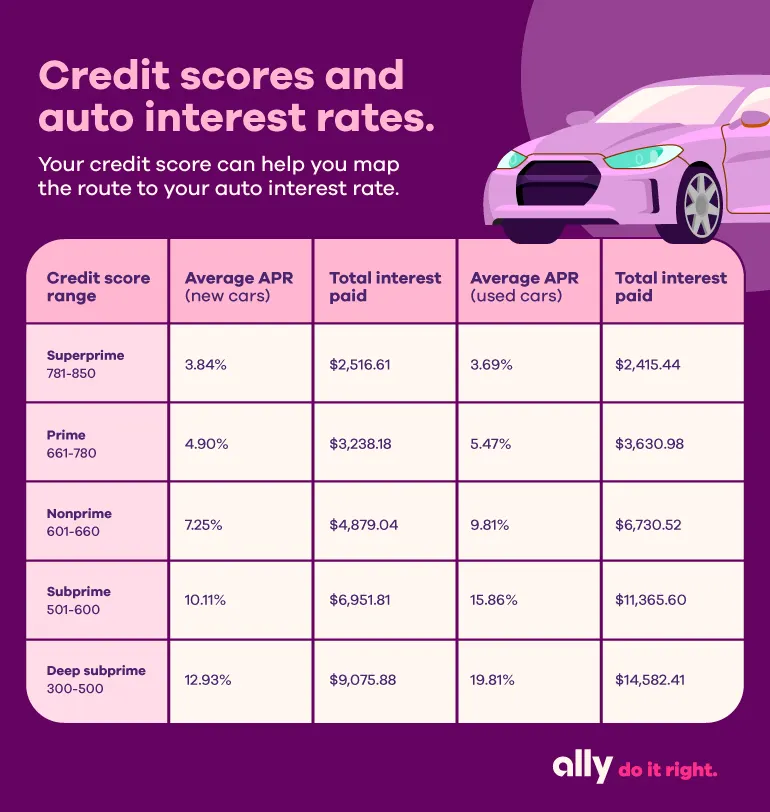
Credit scores typically range from 300 to 850. Here's a breakdown of the different credit score ranges and how they generally affect your chances of getting a car loan:
Excellent Credit (800-850)
With an excellent credit score, you're in a prime position to secure the best possible auto loan terms. Lenders view you as a low-risk borrower and are more likely to offer you the lowest interest rates available. You'll also have access to a wider range of loan options and may be able to negotiate more favorable terms.
Very Good Credit (740-799)
A very good credit score also puts you in a strong position to get a car loan. You'll likely qualify for competitive interest rates and favorable loan terms. While you might not get the absolute lowest rates offered to those with excellent credit, you'll still have access to a wide variety of loan options.
Good Credit (670-739)
With a good credit score, you're generally considered an acceptable risk by lenders. You should be able to get approved for a car loan, but your interest rates may be slightly higher than those offered to borrowers with excellent or very good credit. It's still a good idea to shop around and compare offers from different lenders to find the best deal.
Fair Credit (580-669)
A fair credit score indicates that you have some credit challenges in your past. Getting a car loan with a fair credit score can be more challenging, and you'll likely face higher interest rates. Some lenders specialize in working with borrowers who have fair credit, but it's crucial to be cautious of predatory lenders who may offer loans with excessively high interest rates and fees. Be sure to carefully review the loan terms and ensure you can comfortably afford the monthly payments.
Poor Credit (300-579)
Having a poor credit score significantly limits your auto loan options. Many traditional lenders may be hesitant to approve your application. You may need to explore alternative lending options, such as "buy here, pay here" dealerships or secured auto loans, which require collateral. These options typically come with significantly higher interest rates and fees, so it's essential to weigh the costs carefully and consider improving your credit score before pursuing a car loan.
Factors Affecting Your Credit Score
Several factors contribute to your credit score. Understanding these factors can help you manage your credit effectively and improve your score over time.
Payment History
Your payment history is the most significant factor in determining your credit score. Making on-time payments on all your credit accounts, including credit cards, loans, and other bills, is crucial for building and maintaining a good credit score. Late payments, missed payments, and defaults can negatively impact your score.
Amounts Owed
The amount of debt you owe, particularly your credit utilization ratio (the amount of credit you're using compared to your total available credit), also plays a significant role. Keeping your credit utilization ratio low (ideally below 30%) can improve your credit score.
Length of Credit History
The length of your credit history also affects your score. A longer credit history generally indicates a lower risk to lenders. Establishing and maintaining credit accounts over a longer period can help improve your credit score.
Credit Mix
Having a mix of different types of credit accounts, such as credit cards, installment loans (like car loans or mortgages), and other types of credit, can positively impact your credit score. This demonstrates your ability to manage different types of credit responsibly.
New Credit
Opening too many new credit accounts in a short period can negatively impact your credit score. Each time you apply for credit, a hard inquiry is made on your credit report, which can slightly lower your score. Spreading out your credit applications over time can help minimize the impact on your score.
Tips for Improving Your Credit Score Before Applying for a Car Loan
If you're planning to apply for a car loan, taking steps to improve your credit score beforehand can significantly improve your chances of getting approved and securing favorable terms.
Check Your Credit Report
Obtain a copy of your credit report from each of the three major credit bureaus (Equifax, Experian, and TransUnion) and review it carefully for any errors or inaccuracies. Dispute any errors you find to have them corrected.
Pay Bills on Time
Make sure to pay all your bills on time, every time. Set up automatic payments or reminders to help you avoid missing payments.
Reduce Credit Card Balances
Lower your credit card balances to reduce your credit utilization ratio. Paying down your balances can have a positive impact on your credit score.
Avoid Opening New Credit Accounts
Avoid opening new credit accounts in the months leading up to your car loan application. Too many new accounts can negatively impact your score.
Become an Authorized User
If you have a friend or family member with a good credit history, ask if they'll add you as an authorized user on their credit card. This can help you build credit quickly, but make sure the cardholder uses the card responsibly.
Shopping Around for Auto Loans
Once you have a good understanding of your credit score and have taken steps to improve it, it's time to shop around for auto loans. Comparing offers from different lenders can help you find the best interest rates and terms.
Check with Multiple Lenders
Get quotes from several different lenders, including banks, credit unions, and online lenders. Each lender may have different eligibility requirements and interest rates.
Compare Interest Rates and Loan Terms
Pay close attention to the interest rate, loan term, and any fees associated with the loan. A lower interest rate can save you a significant amount of money over the life of the loan.
Get Pre-Approved
Consider getting pre-approved for a car loan before you start shopping for a vehicle. This will give you a better idea of how much you can afford and can help you negotiate a better price with the dealer.
Conclusion
While a specific credit score isn't a guarantee for auto loan approval, understanding the credit score ranges and how they impact your loan options is crucial. By knowing your credit score, taking steps to improve it, and shopping around for the best loan terms, you can increase your chances of getting approved for a car loan and securing favorable financing.

0 Comments