
Understanding Credit Counseling for Debt Management
If you're struggling with overwhelming debt, you're not alone. Many individuals and families find themselves in similar situations, searching for viable solutions to regain control of their finances. Credit counseling, specifically for debt management plans (DMPs), is one avenue worth exploring. This article delves into the world of credit counseling for debt management, providing insights into what it entails, the benefits and drawbacks, and what to look for in a reputable counseling agency. We'll also explore what reviews and testimonials tell us about the experiences of others who have chosen this path.
What is Credit Counseling and Debt Management?
Credit counseling is a service offered by nonprofit organizations designed to help individuals assess their financial situation and develop a plan to manage their debt. These counselors provide education on budgeting, money management, and responsible credit use. A debt management plan (DMP) is a structured repayment program facilitated by a credit counseling agency, where the agency negotiates with your creditors to potentially lower interest rates and monthly payments. You then make a single monthly payment to the agency, which in turn distributes the funds to your creditors.
The Role of Credit Counseling Agencies
Credit counseling agencies act as intermediaries between you and your creditors. Their primary goal is to help you create a manageable repayment plan that allows you to pay off your debt over time. They achieve this by:
- Analyzing your financial situation: This includes assessing your income, expenses, and outstanding debts.
- Developing a personalized budget: A budget helps you track your spending and identify areas where you can cut back.
- Negotiating with creditors: Counselors work to lower your interest rates, waive late fees, and consolidate your payments.
- Providing ongoing support and education: Agencies offer guidance and resources to help you stay on track with your plan.
Benefits of a Debt Management Plan
Choosing a debt management plan can offer several advantages for those struggling with debt:
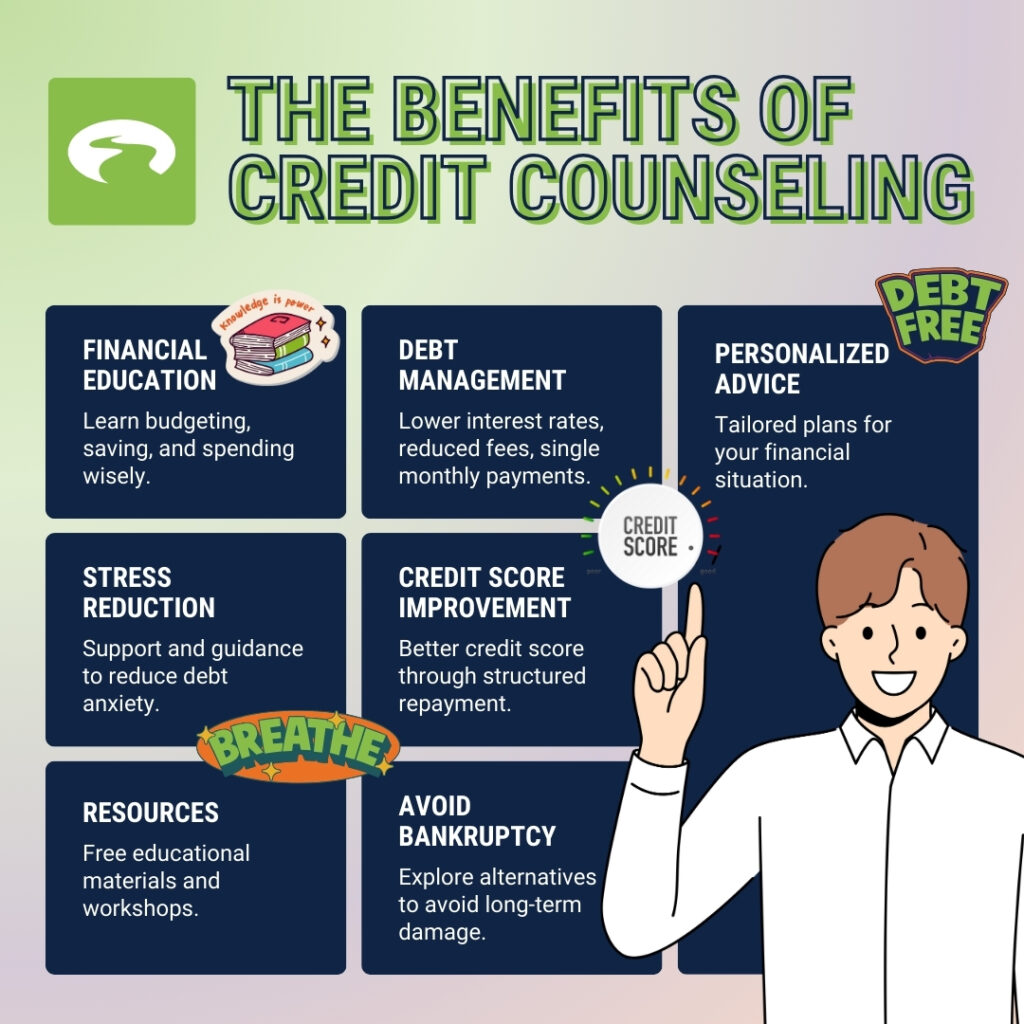
- Lower interest rates: One of the primary benefits is the potential to significantly reduce the interest rates on your credit card debt, making it easier to pay off the principal.
- Simplified payments: Instead of juggling multiple payments to different creditors, you make a single monthly payment to the credit counseling agency.
- Structured repayment plan: A DMP provides a clear roadmap for paying off your debt within a specific timeframe, typically 3-5 years.
- Improved credit score potential: While enrolling in a DMP may initially have a neutral or slightly negative impact on your credit score, successfully completing the plan can lead to a positive credit score improvement.
- Financial education: You'll gain valuable knowledge and skills in budgeting, money management, and responsible credit use.
Potential Drawbacks of a Debt Management Plan
While DMPs offer numerous benefits, it's essential to be aware of the potential drawbacks:
- Fees: Credit counseling agencies typically charge monthly fees for their services, although these fees are usually relatively low.
- Account closures: As part of the DMP, you may be required to close your credit card accounts. This can initially lower your credit score due to a decrease in available credit.
- Not a quick fix: DMPs require commitment and discipline. It takes time and consistent payments to pay off your debt.
- Credit score impact: While long-term the impact is positive, short-term, your credit score could take a slight dip when you enroll.
What to Look for in a Credit Counseling Agency: Red Flags and Positive Signs
Choosing the right credit counseling agency is crucial for a successful debt management experience. Here are some key factors to consider:
Red Flags:
- Promises of instant debt relief: Be wary of agencies that guarantee immediate debt elimination or offer unrealistic promises.
- High-pressure sales tactics: Avoid agencies that pressure you into signing up for a DMP without thoroughly assessing your financial situation.
- Lack of transparency: Look for agencies that are upfront about their fees, services, and potential outcomes.
- Unsolicited offers: Be cautious of unsolicited phone calls or emails offering credit counseling services.
- Agencies that aren't accredited: Look for accreditation from reputable organizations like the National Foundation for Credit Counseling (NFCC) or the Financial Counseling Association of America (FCAA).
Positive Signs:
- Accreditation: Accreditation from the NFCC or FCAA ensures the agency meets certain standards of quality and ethical conduct.
- Certified counselors: Look for agencies that employ certified credit counselors who have undergone specialized training.
- Comprehensive services: The agency should offer a range of services, including budget counseling, debt management plans, and financial education.
- Transparent fees: The agency should clearly disclose all fees and charges associated with their services.
- Positive reviews and testimonials: Check online reviews and testimonials to get an idea of other people's experiences with the agency.
Analyzing Credit Counseling for Debt Management Reviews
Online reviews can provide valuable insights into the experiences of individuals who have used credit counseling services for debt management. When reading reviews, consider the following:
- Look for patterns: Are there recurring themes or issues that are consistently mentioned in the reviews?
- Consider the source: Are the reviews from reputable sources or anonymous websites?
- Read both positive and negative reviews: A balanced perspective is essential for making an informed decision.
- Focus on specific details: Look for reviews that provide specific details about the individual's experience with the agency, such as the counselor's communication style, the effectiveness of the DMP, and the overall customer service.
What Reviews Often Highlight
Common themes found in reviews of credit counseling services for debt management include:
- Customer service: The quality of customer service is a frequent topic of discussion. Positive reviews often mention helpful and responsive counselors, while negative reviews may cite communication problems or lack of support.
- Effectiveness of the DMP: Many reviews focus on the effectiveness of the debt management plan in reducing interest rates and simplifying payments. Success stories often highlight the satisfaction of seeing their debt gradually decrease.
- Fees and transparency: Transparency regarding fees is another common concern. Positive reviews typically commend agencies for clearly disclosing their fees upfront, while negative reviews may criticize hidden charges or unexpected costs.
- Impact on credit score: While the DMP itself can negatively impact a credit score in the short-term, many reviews talk about the positive impact of successfully completing a DMP on their credit score.
Finding Reputable Credit Counseling Agencies
Several resources can help you find reputable credit counseling agencies:
- National Foundation for Credit Counseling (NFCC): The NFCC is a nonprofit organization that accredits credit counseling agencies across the country. Visit their website to find a certified agency in your area.
- Financial Counseling Association of America (FCAA): The FCAA is another reputable organization that accredits credit counseling agencies.
- The U.S. Department of Justice: The Department of Justice maintains a list of approved credit counseling agencies.
- The Better Business Bureau (BBB): Check the BBB website for ratings and reviews of credit counseling agencies.
Before Enrolling: Questions to Ask
Before enrolling in a debt management plan, be sure to ask the credit counseling agency the following questions:
- What are your fees?
- What services do you offer?
- Are you accredited by the NFCC or FCAA?
- How long will it take to pay off my debt?
- What is your success rate?
- What happens if I can't make a payment?
- Will my credit score be affected?
- Can I see a sample debt management plan?

0 Comments