
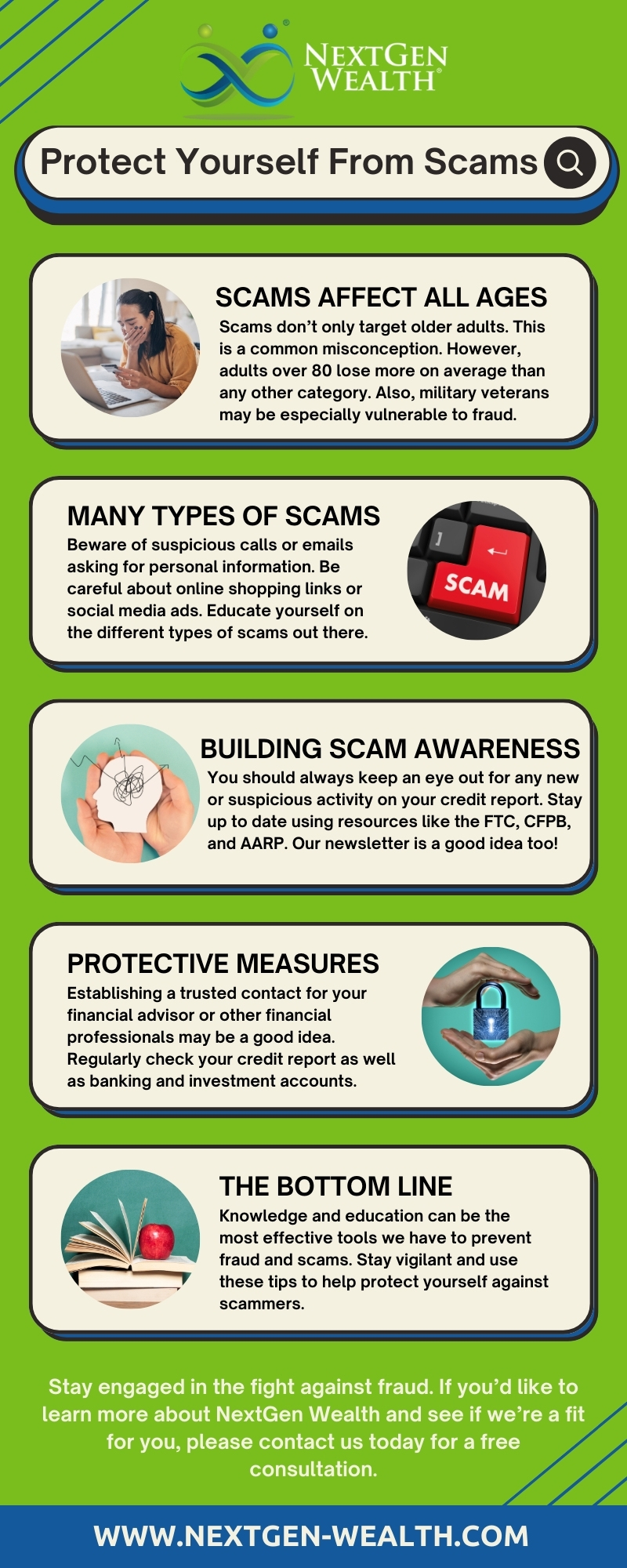
Protecting Your Retirement: A Guide to Avoiding Scams and Fraud
Retirement is a time to relax, enjoy your hard-earned savings, and pursue your passions. However, it's also a time when you become a prime target for scams and fraud. Criminals often prey on retirees' fears and vulnerabilities, seeking to steal their savings through deceptive schemes. Developing a robust retirement plan is crucial, but equally important is understanding how to protect that plan from fraud. This article will explore effective retirement planning strategies designed to safeguard your financial future and help you avoid falling victim to scams.
Understanding the Risks: Common Retirement Scams
Before diving into prevention strategies, it's essential to be aware of the common types of retirement scams that target seniors. Recognizing these schemes is the first step in protecting yourself.
Investment Scams
These scams involve enticing retirees with promises of high returns and low risk. They often involve unregistered investments, Ponzi schemes, or "pump and dump" strategies where scammers inflate the price of a stock and then sell their shares at a profit, leaving investors with worthless holdings. Be wary of unsolicited investment offers, especially those that pressure you to act quickly.
Identity Theft
Identity theft is a pervasive threat that can wreak havoc on your retirement plan. Scammers may steal your Social Security number, bank account information, or credit card details to open fraudulent accounts, file false tax returns, or access your retirement funds. Protect your personal information carefully and shred any documents containing sensitive data.
Home Equity Scams
These scams target homeowners, often promising to help them refinance their mortgages or avoid foreclosure. However, they may instead trick homeowners into signing over their property or taking out loans with exorbitant interest rates and hidden fees. Be extremely cautious when dealing with unsolicited offers related to your home equity.
Medicare and Health Insurance Scams
Scammers often impersonate Medicare representatives or health insurance providers to obtain your personal information or sell you fake insurance policies. They may also bill you for services you never received or provide unnecessary medical treatments. Never give out your Medicare number or other sensitive information to unsolicited callers.
Grandparent Scams
These emotionally manipulative scams involve a caller pretending to be a grandchild in distress, claiming to need money for an emergency such as a car accident, medical bill, or legal fee. They often pressure grandparents to send money quickly without verifying the story. Always verify the information with other family members before sending any money.
Building a Scam-Resistant Retirement Plan
A well-structured retirement plan is your first line of defense against fraud. Here are some key strategies to incorporate:
Diversify Your Investments
Don't put all your eggs in one basket. Diversification is a fundamental principle of sound investing. Spread your investments across different asset classes, such as stocks, bonds, and real estate, to reduce your overall risk. This also makes it harder for scammers to target your entire portfolio with a single fraudulent scheme.
Work with a Qualified Financial Advisor
A reputable financial advisor can help you develop a personalized retirement plan that aligns with your goals and risk tolerance. They can also provide objective advice and help you avoid making emotional investment decisions that could make you vulnerable to scams. Choose an advisor who is a fiduciary, meaning they are legally obligated to act in your best interest.
Monitor Your Accounts Regularly
Keep a close eye on your bank accounts, credit cards, and investment statements for any suspicious activity. Sign up for online banking and set up alerts to notify you of any large transactions or unusual activity. Report any discrepancies immediately to your bank or financial institution.
Secure Your Personal Information
Protect your Social Security number, bank account information, and other sensitive data. Shred any documents containing this information before discarding them. Be cautious about sharing personal information online or over the phone, especially if you didn't initiate the contact.
Be Wary of Unsolicited Offers
Be skeptical of unsolicited investment offers, especially those that promise high returns with little or no risk. If it sounds too good to be true, it probably is. Never invest in something you don't understand, and always do your research before making any investment decisions.
Resist Pressure Tactics
Scammers often use high-pressure tactics to coerce victims into making quick decisions. They may claim that an opportunity is time-sensitive or that you'll miss out on a great deal if you don't act immediately. Don't fall for these tactics. Take your time to research any investment or financial opportunity before committing any money.
Educate Yourself
Stay informed about the latest scams and fraud trends. The more you know, the better equipped you'll be to protect yourself. There are many resources available online and in your community that can help you learn about fraud prevention.
Talk to Someone You Trust
If you're unsure about an investment or financial opportunity, talk to a trusted friend, family member, or financial advisor. Getting a second opinion can help you identify potential red flags and avoid making a costly mistake.
Report Suspicious Activity
If you suspect that you've been targeted by a scam, report it to the appropriate authorities, such as the Federal Trade Commission (FTC) or the Securities and Exchange Commission (SEC). Reporting scams can help protect others from becoming victims and may help law enforcement track down the perpetrators.
Specific Actions to Take for Enhanced Security
Freezing Your Credit
Consider freezing your credit with all three major credit bureaus (Equifax, Experian, and TransUnion). This prevents anyone from opening new accounts in your name without your permission. You can easily lift the freeze temporarily when you need to apply for credit.
Using Strong Passwords and Two-Factor Authentication
Use strong, unique passwords for all your online accounts, and enable two-factor authentication whenever possible. This adds an extra layer of security by requiring a code from your phone or email in addition to your password.
Being Careful with Social Media
Limit the amount of personal information you share on social media. Scammers can use this information to target you with personalized scams.
Regularly Updating Software
Keep your computer and mobile device software up to date. Software updates often include security patches that protect against malware and other threats.
Shredding Financial Documents
Shred any documents containing sensitive information, such as bank statements, credit card bills, and investment statements. A cross-cut shredder is the most effective way to destroy these documents.
Empowering Yourself for a Secure Retirement
Protecting your retirement savings from scams and fraud requires vigilance, education, and a proactive approach. By understanding the risks, building a scam-resistant retirement plan, and taking specific actions to enhance your security, you can significantly reduce your vulnerability to these threats. Remember that you are not alone, and there are resources available to help you stay safe and secure in your retirement years.

0 Comments