
Understanding the Student Loan Debt Crisis
Student loan debt in the United States has ballooned into a significant economic concern, impacting not only individual borrowers but also the broader economy. With millions of Americans owing trillions of dollars, understanding the far-reaching consequences of this debt is crucial. This article delves into the various ways student loan debt affects economic growth, consumer spending, and the overall financial stability of the nation.
The Magnitude of Student Loan Debt
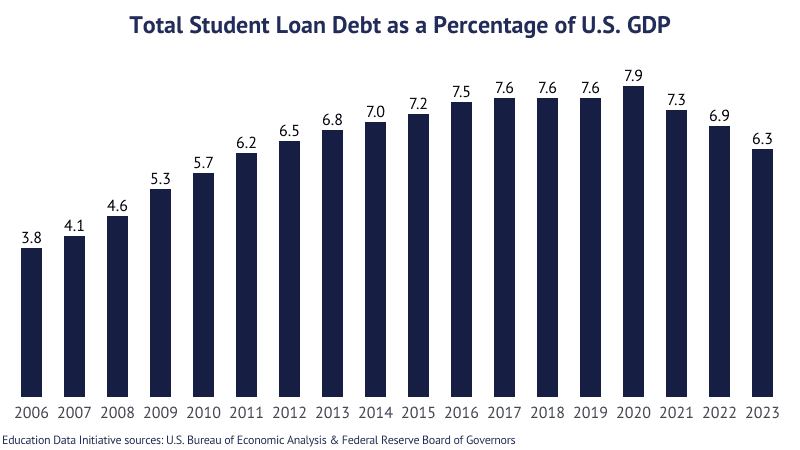
The sheer size of outstanding student loan debt is staggering. As of late 2023, the total student loan debt in the U.S. exceeds $1.7 trillion, held by over 45 million borrowers. This figure surpasses credit card debt and auto loan debt, making it one of the largest categories of consumer debt. The increasing cost of higher education, coupled with stagnant wages, has contributed to this dramatic rise in student loan debt.
Factors Contributing to Rising Debt
Several factors have fueled the growth of student loan debt. The increasing cost of tuition at both public and private universities is a primary driver. Over the past few decades, tuition fees have risen faster than inflation, making higher education increasingly unaffordable for many families. Simultaneously, the availability of federal student loans has encouraged more students to pursue higher education, even if they cannot afford it upfront. The lack of sufficient grant funding and scholarship opportunities further exacerbates the problem, forcing students to rely heavily on loans.
Impact on Economic Growth
The impact of student loan debt on economic growth is multifaceted. One of the most significant effects is the reduction in consumer spending. Borrowers burdened with substantial monthly loan payments have less disposable income to spend on goods and services, which can stifle economic activity. This reduced spending affects various sectors, including retail, housing, and entertainment.
Reduced Homeownership
Student loan debt significantly delays or prevents many young adults from purchasing homes. The high monthly payments make it difficult to save for a down payment and qualify for a mortgage. This decline in homeownership rates has ripple effects on the housing market and related industries, such as construction and real estate. The dream of homeownership, a cornerstone of the American economy, is increasingly out of reach for those burdened by student loans.
Delayed Family Formation
The financial strain of student loan debt also influences family formation decisions. Many borrowers postpone marriage and having children due to the financial burden of their loans. This delay in family formation can have long-term consequences for population growth and the labor force.
Entrepreneurship and Innovation
Student loan debt can also hinder entrepreneurship and innovation. Starting a business often requires significant capital, and borrowers burdened with student loans may be hesitant to take on additional financial risk. This can stifle innovation and job creation, which are essential for economic growth. Many potential entrepreneurs are forced to prioritize paying off their loans over pursuing their business ideas.
Impact on Specific Industries
Certain industries are more directly affected by student loan debt than others. The housing market, as mentioned earlier, is particularly vulnerable. The automotive industry also suffers as borrowers postpone purchasing new vehicles due to their debt obligations. The retail sector experiences reduced sales as consumers cut back on discretionary spending. The impact is felt across a wide range of industries, contributing to a slower overall economic growth rate.
Housing Market
The housing market's sensitivity to student loan debt is particularly pronounced. First-time homebuyers are crucial for a healthy housing market, and student loan debt significantly reduces the pool of potential buyers. This decreased demand can lead to lower home prices and slower growth in the real estate sector.
Automotive Industry
The automotive industry relies heavily on consumer spending, and student loan debt can significantly dampen demand for new cars. Borrowers may opt to drive older vehicles or postpone car purchases altogether, impacting auto sales and related industries such as manufacturing and dealerships.
Government Policies and Potential Solutions
Addressing the student loan debt crisis requires a multi-faceted approach involving government policies, educational reforms, and financial literacy initiatives. Several potential solutions have been proposed, including loan forgiveness programs, income-driven repayment plans, and tuition reforms.
Loan Forgiveness Programs
Loan forgiveness programs, such as Public Service Loan Forgiveness (PSLF), offer borrowers the opportunity to have their remaining loan balance forgiven after a certain number of years of qualifying employment. While these programs can provide relief to some borrowers, they often face challenges and complexities that limit their effectiveness.
Income-Driven Repayment Plans
Income-driven repayment (IDR) plans allow borrowers to make monthly payments based on their income and family size. These plans can provide more manageable payment options for borrowers with lower incomes, but they may also result in longer repayment periods and higher overall interest costs.
Tuition Reforms
Addressing the root cause of the problem – the rising cost of tuition – is essential for long-term solutions. Policy changes aimed at controlling tuition increases, increasing funding for public universities, and promoting more affordable higher education options are crucial. Exploring alternative funding models for higher education, such as income-share agreements, could also help alleviate the burden of student loan debt.
Financial Literacy Initiatives
Improving financial literacy among students and borrowers can help them make informed decisions about borrowing and repayment. Providing resources and education about student loans, budgeting, and financial planning can empower borrowers to manage their debt effectively and avoid future financial difficulties.
The Broader Economic Implications
The student loan debt crisis is not just a personal financial problem; it has significant implications for the broader economy. The drag on consumer spending, reduced homeownership rates, and stifled entrepreneurship all contribute to slower economic growth. Addressing this issue is crucial for ensuring a more stable and prosperous future for the nation.

0 Comments