
Understanding the Current Supply Chain Crisis
The global economy is currently grappling with significant supply chain disruptions. These disruptions, which began in the wake of the COVID-19 pandemic, have persisted and evolved, creating a complex web of challenges for businesses and consumers alike. Understanding the root causes and the far-reaching economic consequences of these disruptions is crucial for navigating the current economic landscape.
Key Drivers of Supply Chain Disruptions
Several factors have converged to create the current supply chain crisis. These include:
The COVID-19 Pandemic
The initial lockdowns and subsequent waves of COVID-19 infections caused widespread factory closures and reduced workforce participation. This significantly impacted production capacity across various industries, from manufacturing to agriculture. Furthermore, border closures and travel restrictions disrupted the movement of goods and people, exacerbating delays and bottlenecks.
Increased Demand and Changing Consumer Behavior
As economies began to recover from the initial shock of the pandemic, consumer demand surged, particularly for durable goods. This surge in demand, coupled with limited production capacity, created a significant imbalance in supply and demand. Moreover, the shift towards e-commerce further strained supply chains, as online retailers struggled to keep up with the increased volume of orders.
Port Congestion and Shipping Delays
Ports around the world, particularly in the United States and Europe, have experienced severe congestion due to a combination of factors, including increased import volumes, labor shortages, and logistical inefficiencies. This congestion has led to significant shipping delays, with goods often taking weeks or even months to reach their final destination. The Suez Canal blockage in March 2021 further highlighted the vulnerability of global shipping routes.
Geopolitical Tensions
Rising geopolitical tensions, including trade disputes and political instability in various regions, have added another layer of complexity to the supply chain. These tensions can disrupt trade flows, increase tariffs, and create uncertainty for businesses operating in global markets. The war in Ukraine has further exacerbated these issues, disrupting supply chains for energy, food, and other essential commodities.
Labor Shortages
Many industries are facing significant labor shortages, particularly in transportation, logistics, and manufacturing. This shortage of workers has further contributed to supply chain bottlenecks and delays. Factors contributing to labor shortages include early retirements, lack of childcare, and concerns about health and safety in the workplace.
Economic Consequences of Supply Chain Disruptions
The supply chain crisis has had a wide range of economic consequences, affecting businesses, consumers, and the global economy as a whole.
Inflationary Pressures
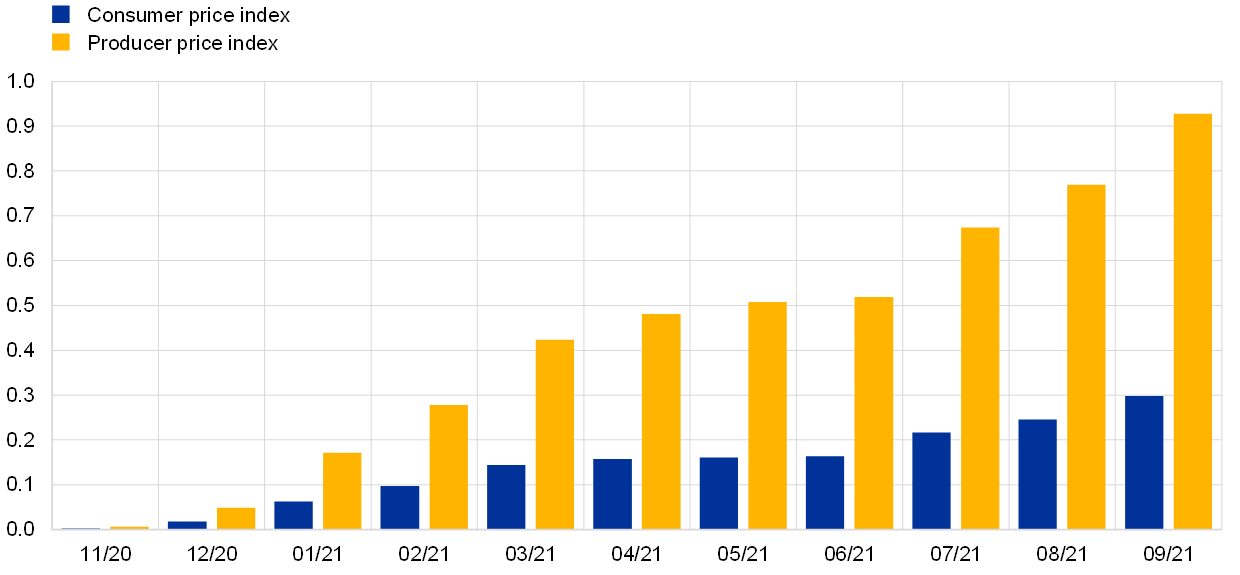
One of the most significant economic consequences of supply chain disruptions is rising inflation. As supply chains become constrained, businesses are forced to pay higher prices for raw materials, components, and transportation. These increased costs are often passed on to consumers in the form of higher prices for goods and services. The combination of strong demand and limited supply has created a perfect storm for inflation, with consumer price indices reaching levels not seen in decades.
Reduced Economic Growth
Supply chain disruptions can also negatively impact economic growth. When businesses are unable to obtain the inputs they need to produce goods and services, production slows down, leading to lower output and reduced economic activity. This can have a ripple effect throughout the economy, impacting employment, investment, and consumer spending.
Increased Business Costs
Businesses are facing increased costs due to supply chain disruptions, including higher transportation costs, increased inventory holding costs, and the cost of finding alternative suppliers. These increased costs can erode profit margins and make it more difficult for businesses to compete. Small and medium-sized enterprises (SMEs) are particularly vulnerable to these challenges, as they often lack the resources and bargaining power to navigate supply chain disruptions effectively.
Consumer Shortages and Higher Prices
Consumers are experiencing shortages of certain goods and services, as well as higher prices for many items. This can lead to frustration and anxiety, as consumers struggle to find the products they need and afford the goods and services they want. The impact is disproportionately felt by low-income households, who are more vulnerable to price increases and shortages of essential goods.
Disruptions to Manufacturing and Production
Manufacturing and production are significantly impacted by supply chain disruptions. Companies often face delays in receiving components, raw materials, and finished goods. This leads to production stoppages, increased costs, and delays in delivering products to customers. The automotive industry, in particular, has been heavily affected by the global semiconductor shortage, leading to production cuts and reduced sales.
Examples of Affected Industries
Almost every industry has been impacted by the supply chain crisis, but some have been particularly hard hit. These include:
Automotive Industry
The automotive industry has been severely affected by the global semiconductor shortage, which has forced automakers to reduce production and delay deliveries. This has led to higher prices for new and used cars and reduced sales for automakers.
Electronics Industry
The electronics industry has also been affected by the semiconductor shortage, as well as shortages of other components. This has led to higher prices for electronics products and delays in deliveries.
Retail Industry
The retail industry has been facing challenges in keeping shelves stocked due to shipping delays and port congestion. This has led to higher prices for many consumer goods and reduced sales for retailers.
Food and Agriculture Industry
The food and agriculture industry has been affected by disruptions to fertilizer supplies, labor shortages, and transportation bottlenecks. This has led to higher food prices and concerns about food security.

0 Comments