
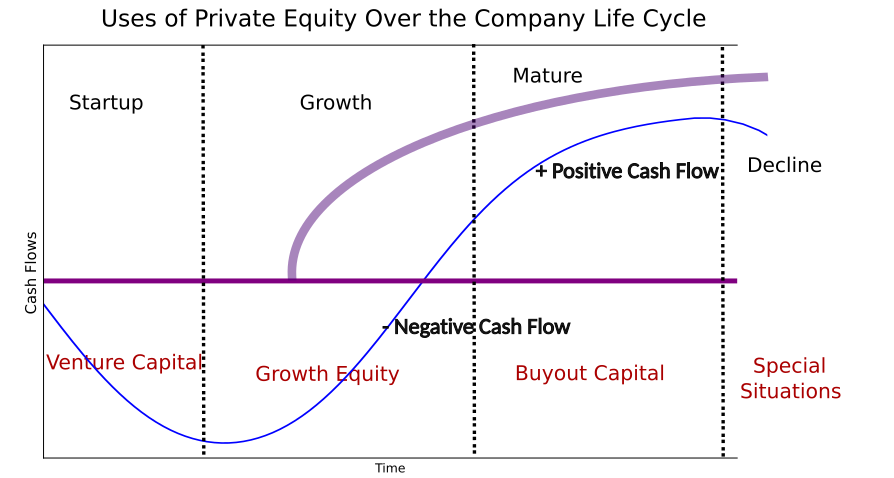
Understanding Venture Capital for Growth Stage Companies
Growth stage companies, having already proven their initial business model and achieved some market traction, often require significant capital to scale operations, expand into new markets, and solidify their competitive advantage. Venture capital (VC) provides this crucial funding, but securing and effectively utilizing VC requires a well-defined strategy. This article explores key venture capital strategies for growth stage companies seeking to maximize their potential and achieve sustainable growth.
Developing a Compelling Investment Thesis
Before approaching venture capitalists, growth stage companies must articulate a clear and compelling investment thesis. This thesis should convincingly answer why a VC firm should invest in your company and how their investment will generate substantial returns. Key elements of a strong investment thesis include:
Demonstrated Market Traction and Growth Potential
VCs want to see evidence of significant market traction. This includes metrics such as revenue growth, customer acquisition cost (CAC), customer lifetime value (CLTV), and churn rate. Presenting a clear growth trajectory and demonstrating the potential for continued expansion is crucial.
A Scalable and Sustainable Business Model
The business model must be scalable, meaning it can handle increased demand without a proportional increase in costs. It should also be sustainable, demonstrating long-term viability and competitive differentiation. VCs will scrutinize the unit economics and the potential for profitability at scale.
A Strong and Experienced Management Team
VCs invest in people as much as they invest in ideas. A capable and experienced management team is essential for executing the growth strategy. Highlight the team's expertise, track record, and ability to adapt to challenges. Consider showcasing advisory board members or key hires with relevant experience.
A Clear Exit Strategy
VCs ultimately seek a return on their investment through an exit event, such as an acquisition or an initial public offering (IPO). While predicting the future is impossible, outlining potential exit scenarios and the factors that would make your company attractive to acquirers or public investors is essential. This demonstrates a clear understanding of the market and the long-term vision for the company.
Identifying the Right Venture Capital Firms
Not all venture capital firms are created equal. Finding a VC firm that aligns with your company's industry, stage, and values is critical for a successful partnership. Consider the following factors when identifying potential investors:
Industry Expertise and Network
VC firms often specialize in specific industries, such as software, healthcare, or fintech. Partnering with a firm that has deep industry expertise and a relevant network can provide valuable insights, connections, and support. Research their portfolio companies and previous investments to assess their experience in your sector.
Investment Stage and Ticket Size
VC firms typically focus on specific investment stages, such as seed, Series A, or growth stage. Ensure that the VC firm's investment focus aligns with your company's current stage and funding needs. Also, consider the average ticket size of their investments and whether it matches your funding requirements.
Investment Philosophy and Values
A strong alignment in investment philosophy and values is crucial for a productive and long-lasting partnership. Research the VC firm's investment approach, their involvement with portfolio companies, and their overall culture. Speak with other entrepreneurs who have worked with the firm to gain insights into their experience.
Preparing for Due Diligence
Due diligence is a rigorous process that VCs undertake to assess the viability and potential of a company before making an investment. Being prepared for this process is essential for a smooth and successful funding round. Key areas of focus during due diligence include:
Financial Records and Projections
VCs will thoroughly examine your company's financial records, including revenue, expenses, cash flow, and profitability. Ensure that your financial statements are accurate, well-organized, and readily available. Prepare realistic financial projections that demonstrate the potential for future growth.
Legal and Regulatory Compliance
VCs will assess your company's legal and regulatory compliance, including contracts, intellectual property, and regulatory approvals. Ensure that all legal documents are in order and that your company is compliant with all applicable laws and regulations. This includes data privacy regulations like GDPR or CCPA, depending on your target market.
Customer Acquisition and Retention Strategies
VCs will analyze your customer acquisition and retention strategies to understand how you attract and retain customers. Provide detailed information on your marketing channels, customer acquisition cost (CAC), customer lifetime value (CLTV), and churn rate. Demonstrate a data-driven approach to customer acquisition and retention.
Competitive Landscape and Differentiation
VCs will assess the competitive landscape and your company's competitive differentiation. Clearly articulate your unique value proposition and how you stand out from competitors. Provide evidence of your competitive advantage, such as proprietary technology, strong brand recognition, or a superior customer experience.
Negotiating the Term Sheet
The term sheet is a preliminary agreement outlining the key terms of the investment. It's crucial to carefully negotiate the terms of the term sheet to protect your company's interests. Key terms to consider include:
Valuation and Equity Dilution
Valuation is the most critical aspect of the term sheet. It determines the value of your company and the amount of equity that the VC firm will receive in exchange for their investment. Carefully consider the valuation and the resulting equity dilution. Seek advice from experienced advisors to ensure that you are getting a fair deal.
Control and Governance
The term sheet will outline the control and governance rights of the VC firm, including board representation, voting rights, and protective provisions. Understand the implications of these provisions and negotiate terms that provide you with sufficient control over your company's operations.
Liquidation Preference and Anti-Dilution Protection
Liquidation preference determines the order in which investors are paid out in the event of a sale or liquidation of the company. Anti-dilution protection protects the VC firm's investment in the event of a down round (a subsequent funding round at a lower valuation). Carefully negotiate these provisions to protect your company's interests.
Post-Investment Strategies for Success
Securing venture capital is just the beginning. Effectively utilizing the funding and managing the relationship with your investors is crucial for long-term success. Consider the following post-investment strategies:
Maintaining Transparent Communication
Maintain open and transparent communication with your investors. Provide regular updates on your company's progress, challenges, and opportunities. Be proactive in addressing any concerns or issues that arise. Regular board meetings and transparent reporting are essential for building trust and maintaining a strong relationship.
Utilizing Investor Resources and Expertise
VC firms often provide valuable resources and expertise beyond just capital. Leverage their network, industry knowledge, and operational experience to help your company grow. Seek their advice on strategic decisions, operational improvements, and potential partnerships.
Focusing on Execution and Achieving Milestones
Ultimately, success depends on execution. Focus on achieving the milestones outlined in your business plan and demonstrating continued progress. Regularly track your key performance indicators (KPIs) and make adjustments as needed. Delivering on your promises and exceeding expectations will strengthen your relationship with your investors and increase your chances of future funding rounds.

0 Comments