
Understanding Your Credit Report: A Key to Financial Wellness
Your credit report is a comprehensive record of your credit history, detailing your borrowing and repayment behavior. It's a crucial document that lenders, landlords, insurers, and even potential employers use to assess your creditworthiness. Regularly reviewing your credit report is essential for maintaining good financial health, identifying errors, and guarding against identity theft. Fortunately, you are entitled to a free annual credit report from each of the three major credit bureaus: Equifax, Experian, and TransUnion.
Why You Should Claim Your Free Annual Credit Report
There are several compelling reasons to take advantage of your right to a free annual credit report:
- Identify Errors: Mistakes on your credit report can negatively impact your credit score. These errors might include incorrect account balances, accounts that don't belong to you, or outdated information. Identifying and disputing these errors can improve your credit score.
- Detect Identity Theft: Unauthorized activity on your credit report can be a sign of identity theft. Regularly reviewing your report allows you to detect suspicious accounts or transactions and take immediate action to protect yourself.
- Monitor Your Credit Health: Your credit report provides a snapshot of your credit history. By reviewing it regularly, you can track your progress in building good credit and identify areas where you need to improve.
- Prepare for Major Purchases: Before applying for a loan or mortgage, it's wise to review your credit report to ensure accuracy and identify any potential red flags that could hinder your approval.
- Negotiate Better Interest Rates: A clean and accurate credit report can give you leverage when negotiating interest rates on loans and credit cards. Lenders are more likely to offer favorable terms to borrowers with good credit histories.
How to Obtain Your Free Annual Credit Report
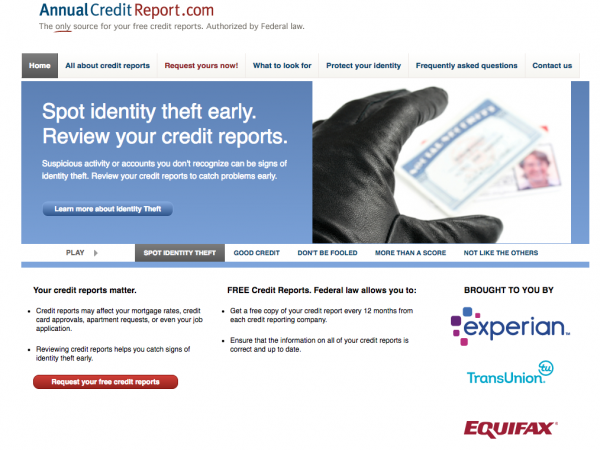
The only authorized source for your free annual credit reports is AnnualCreditReport.com. This website is a joint venture of Equifax, Experian, and TransUnion, and it's the official platform for claiming your free reports.
Steps to Request Your Report:
- Visit AnnualCreditReport.com: Access the website directly by typing the URL into your browser. Be wary of look-alike websites that may try to scam you.
- Complete the Request Form: You'll need to provide your personal information, including your name, address, Social Security number, and date of birth. This information is used to verify your identity.
- Choose Your Reports: You can choose to request reports from one, two, or all three credit bureaus. Many experts recommend staggering your requests throughout the year, requesting one report every four months. This allows you to monitor your credit more frequently without paying for additional reports.
- Review Your Reports: Once you've received your reports, carefully review them for any errors or inaccuracies. Pay close attention to account balances, payment history, and personal information.
Understanding What's in Your Credit Report
Your credit report contains a wealth of information about your credit history. Here's a breakdown of the key sections:
Personal Information:
This section includes your name, address, Social Security number, and date of birth. It's important to ensure this information is accurate, as errors can lead to identity theft or other problems.
Credit Accounts:
This section lists all of your credit accounts, including credit cards, loans, and lines of credit. For each account, the report shows the account number, credit limit, balance, payment history, and status (e.g., open, closed, delinquent). Review this section carefully to ensure all accounts listed are yours and that the information is accurate.
Public Records:
This section includes information from public records, such as bankruptcies, judgments, and tax liens. These records can have a significant negative impact on your credit score.
Inquiries:
This section lists all inquiries made into your credit report. There are two types of inquiries: hard inquiries and soft inquiries. Hard inquiries occur when you apply for credit, such as a credit card or loan. Soft inquiries occur when you check your own credit report or when a lender pre-approves you for a credit card. Hard inquiries can slightly lower your credit score, while soft inquiries do not.
Disputing Errors on Your Credit Report
If you find errors on your credit report, it's crucial to dispute them with the credit bureau that issued the report. Here's how to do it:
Gather Documentation:
Collect any documentation that supports your claim, such as account statements, payment records, or letters from creditors.
Write a Dispute Letter:
Write a letter to the credit bureau explaining the error and providing supporting documentation. Be clear and concise, and include your name, address, Social Security number, and a copy of your credit report with the error highlighted. You can often dispute online through the credit bureau's website.
Send Your Dispute:
Send your dispute letter by certified mail with return receipt requested. This will provide proof that the credit bureau received your letter.
Follow Up:
The credit bureau has 30 days to investigate your dispute. They will contact the creditor that reported the information and ask them to verify its accuracy. If the creditor confirms the information is incorrect, the credit bureau will update your credit report. You will receive a letter from the credit bureau with the results of their investigation.
Beyond the Free Annual Credit Report
While your free annual credit reports are a valuable resource, there are other ways to monitor your credit more frequently:
Credit Monitoring Services:
Many companies offer credit monitoring services that provide ongoing monitoring of your credit report and alert you to any changes. These services typically come with a monthly fee. While not always necessary, they can be helpful if you're concerned about identity theft or want to closely track your credit score.
Free Credit Score Websites:
Several websites offer free credit scores, often updated monthly. These scores can give you a general idea of your creditworthiness, but they may not be as accurate as the scores used by lenders.
Reviewing Your Credit Card Statements:
Carefully reviewing your credit card statements each month can help you identify unauthorized transactions or other potential problems.
Protecting Your Credit Information
In addition to reviewing your credit report regularly, it's important to take steps to protect your credit information:
Be Wary of Scams:
Be cautious of unsolicited emails, phone calls, or letters offering free credit reports or other financial services. These may be scams designed to steal your personal information.
Secure Your Personal Information:
Protect your Social Security number, credit card numbers, and other personal information. Don't share this information with anyone you don't trust.
Shred Sensitive Documents:
Shred any documents that contain your personal information before throwing them away.
Use Strong Passwords:
Use strong, unique passwords for your online accounts, and change them regularly.
Monitor Your Accounts:
Regularly monitor your bank and credit card accounts for any suspicious activity.
Taking Control of Your Financial Future
Claiming your free annual credit report is a simple yet powerful step towards taking control of your financial future. By understanding your credit history, identifying errors, and protecting your credit information, you can build a strong credit profile and achieve your financial goals.

0 Comments