
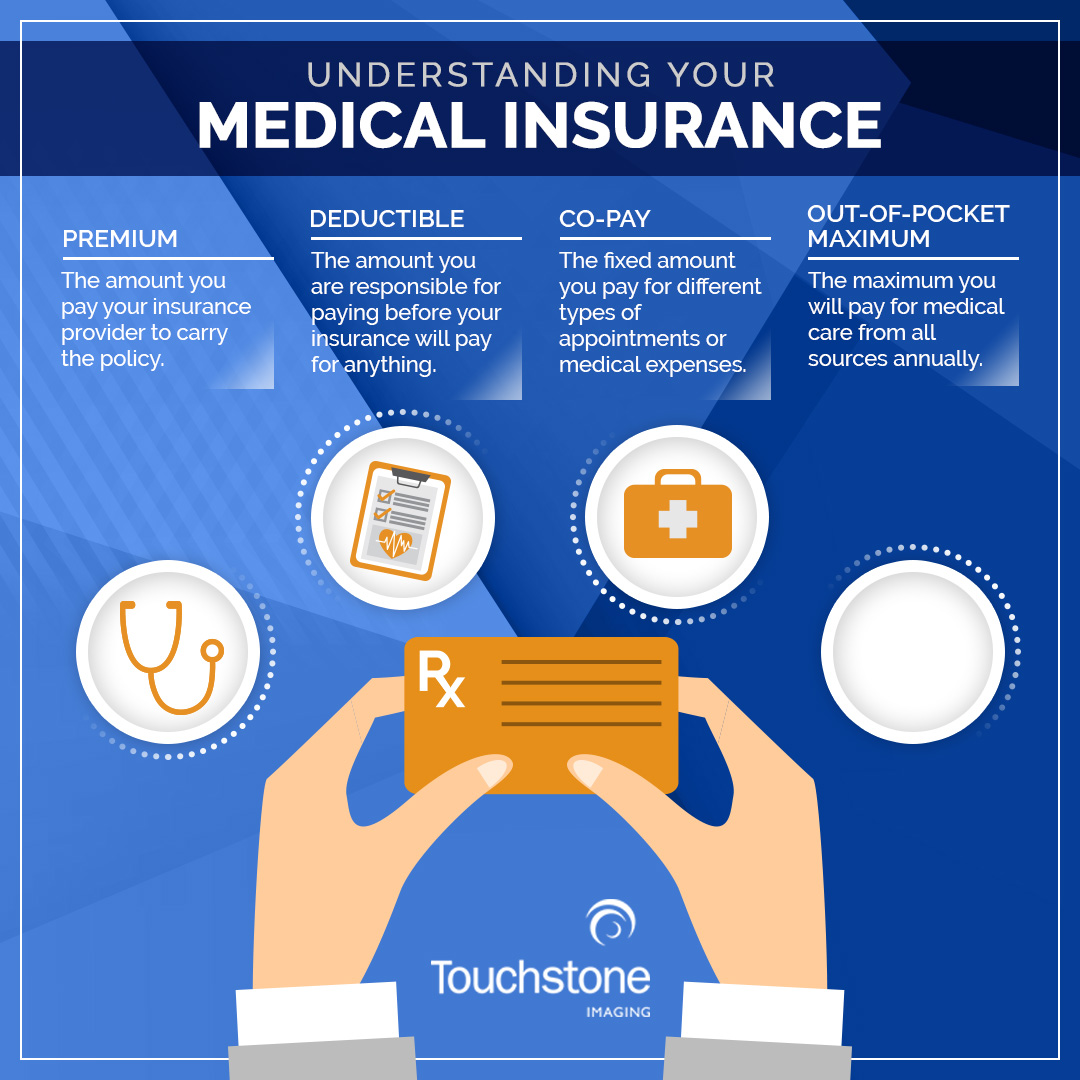
What is an Insurance Deductible?
When you purchase an insurance policy, whether it's for your car, home, health, or something else, you'll likely encounter the term "deductible." Understanding your insurance policy deductible is crucial for managing your finances and knowing what to expect when filing a claim. Simply put, a deductible is the amount of money you pay out-of-pocket before your insurance coverage kicks in.
How Deductibles Work
Imagine you have car insurance with a $500 deductible. If you get into an accident and the repairs cost $3,000, you would pay the first $500, and your insurance company would cover the remaining $2,500. If the repairs only cost $400, you would pay the entire amount yourself because it's less than your deductible. The insurance company wouldn't pay anything in this scenario.
Different Types of Deductibles
There are various types of deductibles, and understanding the differences can help you choose the right policy for your needs:
- Fixed Deductible: This is the most common type, where you pay a specific dollar amount before your insurance covers the rest.
- Percentage Deductible: This type is more common with homeowners insurance and is calculated as a percentage of your home's insured value. For example, a 1% deductible on a $300,000 home would be $3,000.
- Per-Occurrence Deductible: With this type, you pay the deductible for each separate incident or claim.
- Aggregate Deductible: This is often found in health insurance plans. You pay a set amount over the course of a year, and once you meet that deductible, your insurance covers the remaining costs for the rest of the year.
Why Do Insurance Policies Have Deductibles?
Insurance companies use deductibles for several reasons:
- Reduce Premiums: Policies with higher deductibles generally have lower premiums. By agreeing to pay a larger portion of any potential claim, you reduce the insurance company's risk, and they pass those savings on to you.
- Discourage Small Claims: Deductibles discourage policyholders from filing small claims. Handling numerous small claims can be costly for insurance companies, so deductibles help to reduce administrative overhead.
- Reduce Moral Hazard: A deductible encourages you to be more careful and avoid risky behavior. When you have to pay a portion of any loss, you're more likely to take precautions to prevent accidents or damage.
Choosing the Right Deductible
Selecting the right deductible is a balancing act between your premium costs and your ability to pay out-of-pocket in the event of a claim. Here are some factors to consider:
Assess Your Risk Tolerance
How comfortable are you with the possibility of paying a larger deductible? If you're generally risk-averse, you might prefer a lower deductible, even if it means paying a higher premium. If you're comfortable taking on more risk, a higher deductible could save you money in the long run.
Evaluate Your Financial Situation
Can you afford to pay your deductible if you need to file a claim? It's important to have enough savings to cover your deductible, especially if you choose a higher amount. Consider your monthly budget and whether you could comfortably handle a sudden expense.
Consider Your Claim History
Have you filed many insurance claims in the past? If you have a history of frequent claims, you might benefit from a lower deductible, as you're more likely to use your insurance. However, keep in mind that frequent claims can also lead to higher premiums.
Compare Premiums and Deductibles
Get quotes for different deductible amounts and compare the corresponding premiums. Use a deductible calculator if available. Sometimes, the savings on premiums with a higher deductible outweigh the potential cost of paying the deductible. Other times, the peace of mind of having a lower deductible is worth the higher premium.
The Relationship Between Deductibles and Premiums
There's an inverse relationship between deductibles and premiums. Generally, the higher your deductible, the lower your premium, and vice versa. This is because you're essentially sharing more of the risk with the insurance company when you choose a higher deductible. They're less likely to have to pay out on a claim, which reduces their financial exposure.
Example Scenario
Let's say you're shopping for car insurance. You get two quotes:
- Quote 1: $500 deductible, $1,200 annual premium
- Quote 2: $1,000 deductible, $1,000 annual premium
In this case, choosing the higher deductible ($1,000) saves you $200 per year on your premium. However, you would have to pay an additional $500 out-of-pocket if you need to file a claim. You need to weigh the potential savings against the potential cost to decide which option is right for you.
Common Misconceptions About Deductibles
There are several common misconceptions about insurance deductibles. Here are a few to be aware of:
"My insurance covers everything once I meet my deductible."
This isn't always the case. While your insurance will cover covered losses after you meet your deductible, there may still be other out-of-pocket expenses, such as copays or coinsurance, depending on your policy.
"I should always choose the lowest deductible possible."
While a low deductible offers more immediate protection, it also comes with a higher premium. It's important to balance the cost of the premium with your ability to pay the deductible in the event of a claim.
"My deductible applies to all parts of my insurance policy."
This isn't always true. Some policies have separate deductibles for different types of coverage. For example, your homeowners insurance might have one deductible for damage from wind and hail and another for damage from other causes.
How to Find Your Deductible Information
Your deductible information is typically found in your insurance policy documents. It's usually listed on the declarations page, which is a summary of your coverage and key policy details. You can also contact your insurance company or agent to ask about your deductible.
Understanding Deductibles and Out-of-Pocket Maximums
In some insurance policies, particularly health insurance, you might also encounter the term "out-of-pocket maximum." This is the maximum amount you'll pay for covered medical expenses in a given year. Once you reach your out-of-pocket maximum, your insurance company pays 100% of covered costs for the rest of the year. Your deductible contributes towards your out-of-pocket maximum.
Reviewing Your Deductible Annually
It's a good idea to review your insurance policy and deductible annually. Your financial situation and risk tolerance may change over time, so it's important to make sure your insurance coverage still meets your needs. Consider whether you can still afford your deductible and whether a higher or lower deductible would be more appropriate.

0 Comments