
Why Understanding Your Credit Report Matters
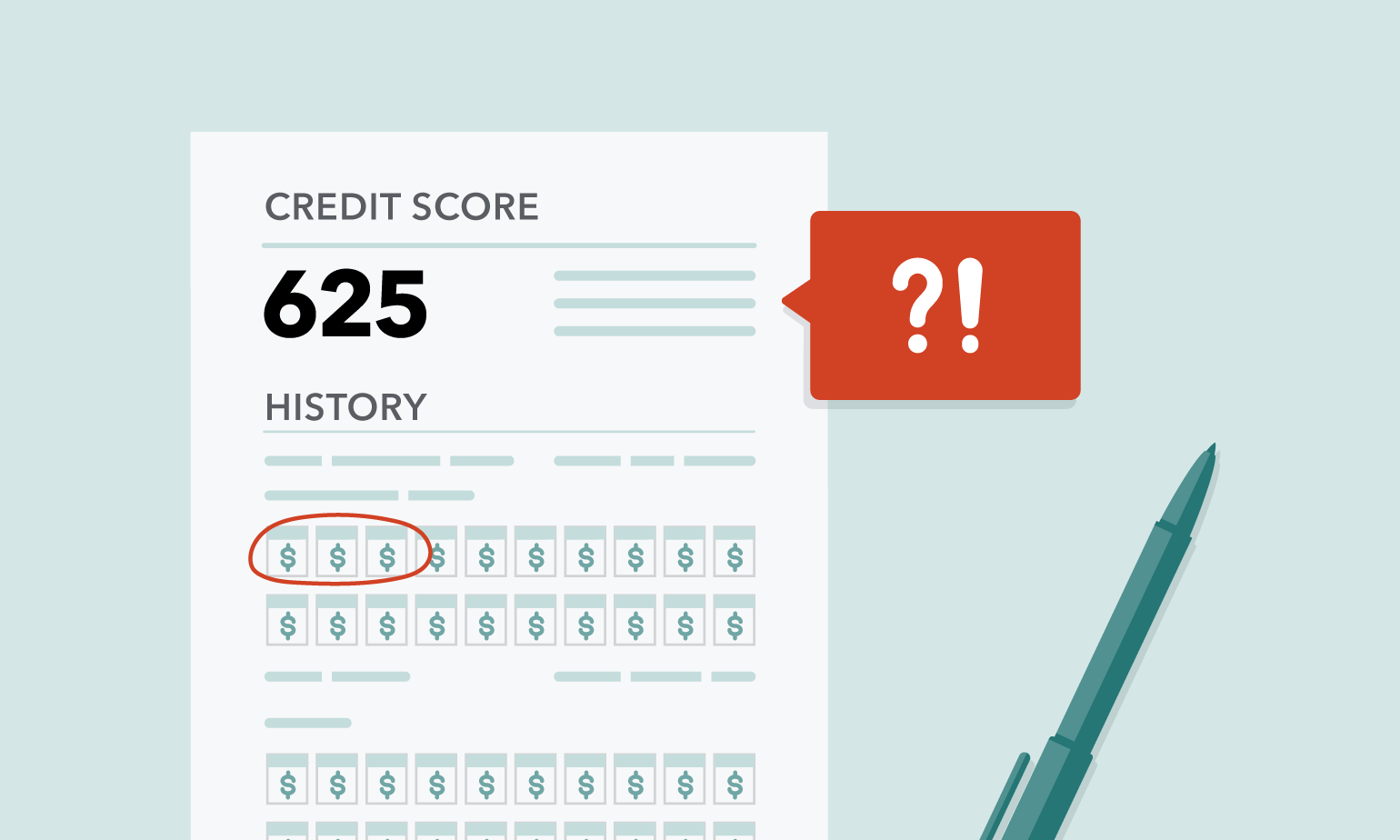
Your credit report is a detailed summary of your credit history. It contains information about your payment history, outstanding debts, credit accounts, and any bankruptcies or legal judgments against you. Lenders, landlords, employers, and insurance companies use this report to assess your creditworthiness and make decisions about whether to extend credit, rent you an apartment, offer you a job, or provide insurance coverage. A good credit report can unlock better interest rates on loans, easier approval for credit cards, and even lower insurance premiums. Conversely, a negative credit report can lead to higher interest rates, denial of credit, and difficulty securing housing or employment.
Common Types of Credit Report Errors
Credit report errors are more common than you might think. Studies show that a significant percentage of credit reports contain inaccuracies. These errors can negatively impact your credit score and potentially cost you money. Here are some of the most common types of credit report errors:
Incorrect Personal Information
This includes errors such as misspelled names, incorrect addresses, wrong Social Security numbers, or outdated employment information. Even seemingly minor errors can cause problems, as they may lead to your credit information being mixed up with someone else's.
Incorrect Account Information
This is one of the most damaging types of errors. It includes:
- Incorrect Payment History: Reporting late payments when you paid on time or reporting missed payments when you were never late.
- Incorrect Account Balances: Showing higher balances than you actually owe.
- Closed Accounts Reported as Open: Keeping closed accounts active on your report can lower your credit utilization ratio and hurt your score.
- Accounts That Don't Belong to You: This could be a sign of identity theft or simply a clerical error where someone else's account is mistakenly listed on your report.
Duplicate Accounts
Sometimes, the same account is listed multiple times on your credit report. This can happen if a lender reports the same account under slightly different names or account numbers.
Fraudulent Accounts
If you've been a victim of identity theft, fraudulent accounts may appear on your credit report. These are accounts that were opened in your name without your knowledge or consent.
Data Management Errors
These errors can occur when information is transferred between different databases or systems. They can include:
- Merged or Mixed Files: Your credit information is combined with someone else's.
- Outdated Information: Information that should have been removed from your report, such as bankruptcies older than 10 years or negative information older than 7 years, is still present.
Why Credit Report Errors Occur
Several factors can contribute to credit report errors:
Data Entry Mistakes
Simple human error can occur when lenders or credit reporting agencies enter information into their systems. A misplaced decimal point or a transposed number can have a significant impact.
Reporting Issues
Lenders may not always report information accurately or consistently. They may also fail to update information promptly, leading to outdated or incorrect data on your credit report.
Identity Theft
Identity thieves can open fraudulent accounts in your name, leading to inaccurate information on your credit report. These fraudulent accounts can damage your credit score and make it difficult to obtain credit in the future.
System Errors
Computer glitches and software bugs can also contribute to credit report errors. These errors can occur during data transfer or processing.
How to Check Your Credit Report for Errors
The first step in addressing credit report errors is to obtain a copy of your credit report from each of the three major credit bureaus: Experian, Equifax, and TransUnion. You are entitled to a free credit report from each bureau once per year through AnnualCreditReport.com. It's a good idea to stagger your requests so that you can monitor your credit report throughout the year.
Once you have your credit reports, carefully review each section for any inaccuracies. Pay close attention to your personal information, account information, and any negative items. Look for any discrepancies or inconsistencies that seem out of place.
Disputing Credit Report Errors
If you find an error on your credit report, you have the right to dispute it with the credit bureau and the lender or creditor that reported the information. Here's how to dispute errors:
Gather Documentation
Collect any documents that support your claim, such as payment confirmations, account statements, or correspondence with the lender. The more evidence you can provide, the stronger your case will be.
Write a Dispute Letter
Prepare a written dispute letter to the credit bureau and the lender. Your letter should clearly identify the error, explain why you believe it is incorrect, and provide copies of any supporting documentation. Include your full name, address, date of birth, and the last four digits of your Social Security number to help the credit bureau identify your account.
Send Your Dispute Letter
Send your dispute letter to the credit bureau and the lender via certified mail with return receipt requested. This will provide you with proof that your letter was received. Keep copies of your dispute letter and all supporting documentation for your records.
Follow Up
The credit bureau has 30 days to investigate your dispute. They will contact the lender or creditor that reported the information and ask them to verify its accuracy. The lender or creditor has 30 days to respond. If the credit bureau finds that the information is inaccurate, they will correct it on your credit report. They will also notify you of the results of their investigation.
What to Do If the Credit Bureau Doesn't Correct the Error
If the credit bureau doesn't correct the error, you have a few options:
Request a Reinvestigation
You can request a reinvestigation of the error. This means that the credit bureau will conduct another investigation and review any additional information you provide.
Add a Statement to Your Credit Report
You can add a statement to your credit report explaining why you believe the information is inaccurate. This statement will be included in your credit report whenever it is requested by a lender or other third party.
File a Complaint with the CFPB
You can file a complaint with the Consumer Financial Protection Bureau (CFPB). The CFPB is a government agency that protects consumers from unfair, deceptive, or abusive financial practices.
Consult with a Credit Repair Professional
If you're struggling to correct errors on your credit report, you may want to consult with a credit repair professional. A credit repair professional can help you identify errors, gather documentation, and negotiate with credit bureaus and lenders on your behalf.

0 Comments