
Understanding the Link Between Energy Prices and Inflation
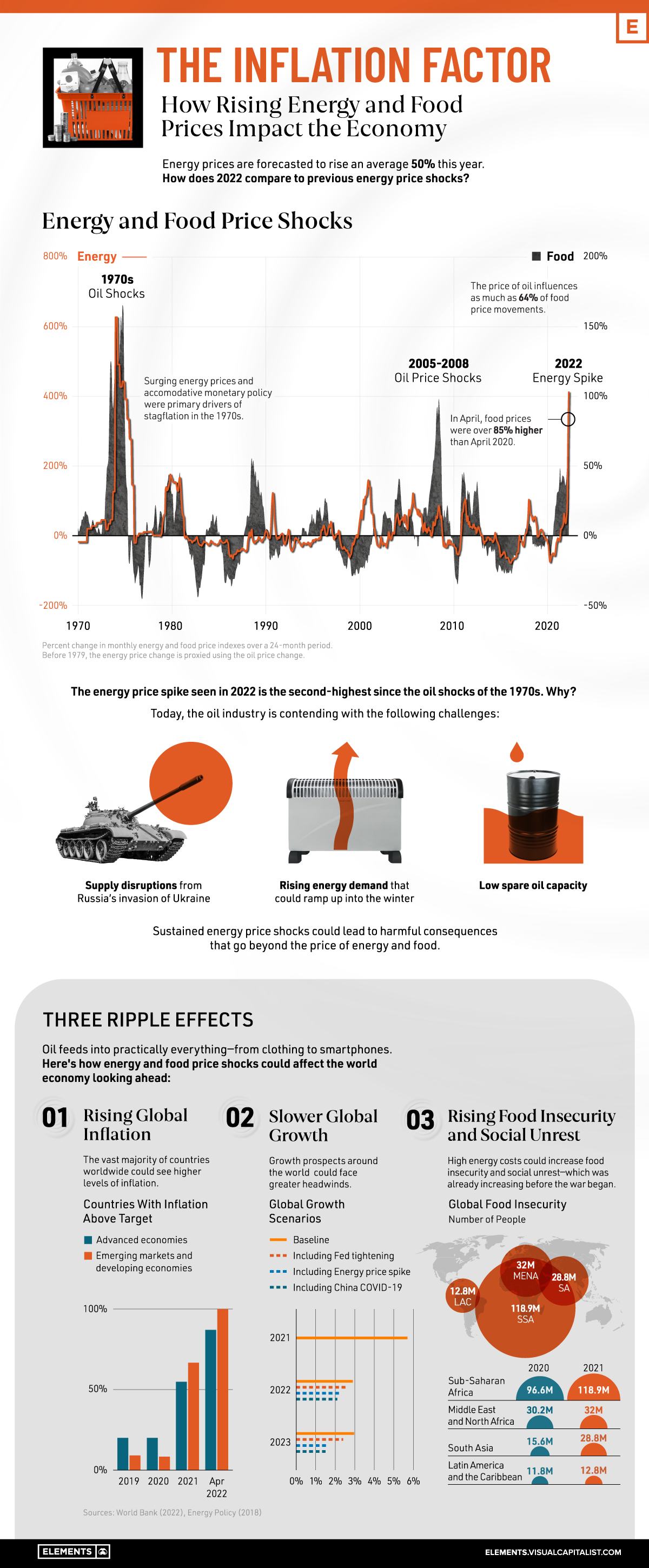
Rising energy prices have a pervasive and significant impact on inflation, affecting nearly every aspect of the economy. Energy is a fundamental input in production and transportation, meaning that increases in its cost ripple through supply chains and ultimately translate into higher prices for consumers. Understanding this relationship is crucial for policymakers and individuals alike, particularly in times of economic uncertainty.
How Energy Prices Drive Inflation
The connection between energy prices and inflation is multifaceted. It's not simply a direct pass-through of higher gasoline costs at the pump. The influence is far more widespread and complex.
Direct Impact: Fuel and Electricity Costs
The most obvious impact is on the direct costs of fuel and electricity. When crude oil prices rise, gasoline prices follow suit. Similarly, higher natural gas prices lead to increased electricity bills. These direct increases affect consumers' budgets, leaving them with less disposable income for other goods and services. This decrease in purchasing power contributes to inflationary pressures.
Indirect Impact: Production and Transportation
Energy is a critical input for almost all industries. Manufacturing, agriculture, transportation, and even the service sector rely heavily on energy. When energy costs rise, businesses face higher operating expenses. To maintain profitability, they often pass these costs on to consumers in the form of higher prices for goods and services. This is a prime example of cost-push inflation.
Consider the transportation industry. Higher fuel costs directly increase the cost of trucking, shipping, and air travel. These higher transportation costs are then embedded in the prices of everything from food and clothing to electronics and building materials. The further a product travels, the greater the impact of rising energy prices on its final cost.
Impact on Supply Chains
Global supply chains are intricate networks that rely on efficient and affordable transportation. Rising energy prices disrupt these networks, adding to the cost of moving goods from raw materials to finished products. This disruption can lead to bottlenecks and shortages, further exacerbating inflationary pressures. For example, increased shipping costs due to higher fuel prices can make imported goods more expensive, contributing to overall inflation.
The Role of Energy in Different Sectors
The impact of rising energy prices varies across different sectors of the economy. Some sectors are more energy-intensive than others, making them more vulnerable to price fluctuations.
Agriculture
Agriculture is heavily reliant on energy for irrigation, fertilization, harvesting, and transportation. Rising energy prices can significantly increase the cost of producing food, leading to higher prices at the grocery store. Fertilizers, often produced using natural gas, become more expensive, impacting crop yields and ultimately contributing to food inflation. The cost of running farm equipment and transporting produce also increases, further pushing up prices.
Manufacturing
Many manufacturing processes require substantial amounts of energy. From steel production to chemical manufacturing, energy is a key input. Higher energy costs can make domestic manufacturing less competitive compared to countries with lower energy prices. This can lead to a decline in domestic production and an increase in imports, potentially contributing to inflation.
Transportation
As previously mentioned, the transportation sector is directly affected by rising fuel prices. Airlines, trucking companies, and shipping companies all face higher operating costs. These costs are inevitably passed on to consumers in the form of higher fares, shipping rates, and prices for goods. The impact is particularly significant for industries that rely on just-in-time inventory management, where frequent and timely deliveries are essential.
Examples of Recent Impacts
Recent events have highlighted the profound impact of rising energy prices on global inflation. The conflict in Ukraine, for instance, has led to significant disruptions in global energy markets, causing prices for oil, natural gas, and coal to surge. This surge has contributed to higher inflation rates in many countries, forcing central banks to take aggressive measures to combat rising prices.
The COVID-19 pandemic also played a role. As economies reopened and demand for goods and services rebounded, energy demand increased, putting upward pressure on prices. Supply chain bottlenecks, exacerbated by rising transportation costs, further contributed to inflationary pressures.
Mitigating the Impact of Rising Energy Prices on Inflation
Addressing the impact of rising energy prices on inflation requires a multifaceted approach. There are several strategies that policymakers and businesses can consider.
Investing in Renewable Energy
Transitioning to renewable energy sources, such as solar, wind, and hydropower, can reduce dependence on fossil fuels and mitigate the impact of volatile energy prices. Investing in renewable energy infrastructure can create jobs, stimulate economic growth, and provide a more stable and sustainable energy supply.
Improving Energy Efficiency
Improving energy efficiency in buildings, transportation, and industry can reduce energy consumption and lower overall energy costs. This can be achieved through measures such as upgrading insulation, using energy-efficient appliances, and adopting more efficient manufacturing processes. Government policies, such as tax incentives and regulations, can encourage energy efficiency investments.
Diversifying Energy Sources
Diversifying energy sources can reduce reliance on any single source and make the economy more resilient to price shocks. This can involve developing domestic energy resources, such as natural gas and oil, as well as investing in alternative energy technologies.
Strategic Petroleum Reserves
Releasing oil from strategic petroleum reserves can provide temporary relief from high prices by increasing supply. However, this is a short-term solution and should be used judiciously.
Government Subsidies and Price Controls
While sometimes considered, government subsidies and price controls are often ineffective and can lead to unintended consequences, such as shortages and black markets. These measures can also distort market signals and discourage investment in energy efficiency and renewable energy.

0 Comments