
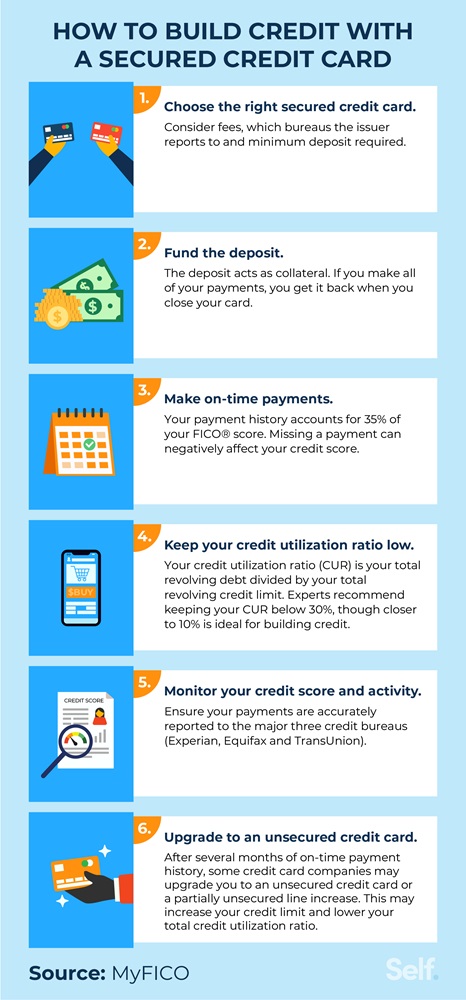
Understanding Secured Credit Cards
If you're looking to build or rebuild your credit, a secured credit card can be a powerful tool. Unlike traditional unsecured credit cards, secured cards require a cash deposit as collateral. This deposit typically serves as your credit limit, reducing the risk for the issuer and making it easier for individuals with limited or poor credit history to get approved.
How Secured Credit Cards Work
The process of obtaining and using a secured credit card is straightforward:
- Application: You apply for a secured credit card from a bank or credit union. The application process is similar to that of an unsecured card, but you'll be asked about your ability to make a security deposit.
- Security Deposit: If approved, you'll need to make a security deposit. This deposit is usually equal to your credit limit. For example, a $200 deposit typically grants you a $200 credit limit. Some cards may offer slightly higher limits for a given deposit, so shop around.
- Using the Card: Once you have the card, you use it like a regular credit card. Make purchases, pay your bills on time, and stay within your credit limit.
- Reporting to Credit Bureaus: The card issuer reports your payment activity to the major credit bureaus (Experian, Equifax, and TransUnion). This is crucial for building your credit history.
- Graduating to an Unsecured Card: After a period of responsible use (typically 6-12 months), you may be eligible to have your secured card converted to an unsecured credit card. When this happens, your security deposit is returned to you.
Benefits of Using a Secured Credit Card for Building Credit
Secured credit cards offer several advantages for individuals seeking to improve their credit scores:
- Accessibility: They are easier to obtain than unsecured cards, especially for those with limited or poor credit.
- Credit Building: Responsible use of a secured card allows you to establish a positive credit history by demonstrating your ability to manage credit responsibly.
- Financial Discipline: The presence of a security deposit can encourage more mindful spending habits.
- Potential for Graduation: With consistent on-time payments and responsible credit management, you can eventually "graduate" to an unsecured credit card with better terms and rewards.
Choosing the Right Secured Credit Card
Not all secured credit cards are created equal. Consider these factors when choosing a card:
Interest Rates (APR)
Pay close attention to the Annual Percentage Rate (APR). While the primary goal is credit building, you still want to avoid excessively high interest charges. Look for a card with a competitive APR, especially if you anticipate carrying a balance (though paying your balance in full each month is always recommended for optimal credit building).
Fees
Be aware of any fees associated with the card, such as annual fees, monthly fees, late payment fees, and over-the-limit fees. Opt for a card with minimal or no fees to maximize the value of your secured card.
Credit Limit and Security Deposit Requirements
Compare the required security deposit amounts and the corresponding credit limits offered by different cards. Choose a card with a deposit amount you can comfortably afford. Also consider if the deposit earns interest.
Reporting Practices
Ensure the card issuer reports to all three major credit bureaus (Experian, Equifax, and TransUnion). This is essential for building a comprehensive credit history.
Graduation Opportunities
Inquire about the card's policy regarding graduation to an unsecured card. Understand the criteria and timeframe for eligibility to ensure you can eventually get your deposit back and enjoy the benefits of an unsecured credit line.
Tips for Maximizing Credit Building with a Secured Credit Card
To effectively build your credit with a secured credit card, follow these best practices:
- Make On-Time Payments: This is the most crucial factor in building a positive credit history. Set up automatic payments or reminders to ensure you never miss a due date.
- Keep Your Credit Utilization Low: Credit utilization is the amount of credit you're using compared to your credit limit. Aim to keep your utilization below 30%, and ideally below 10%. For example, if you have a $200 credit limit, try to keep your balance below $60 (30%) or even $20 (10%).
- Use the Card Regularly: Make small purchases each month and pay them off in full. This demonstrates responsible credit use to the credit bureaus.
- Monitor Your Credit Report: Regularly check your credit report from all three major credit bureaus to ensure accuracy and track your progress. You can obtain free credit reports annually from AnnualCreditReport.com.
- Avoid Cash Advances: Cash advances typically come with high fees and interest rates and don't contribute positively to your credit score.
Alternatives to Secured Credit Cards
While secured credit cards are a good option, other alternatives exist for building credit:
- Credit Builder Loans: These loans are specifically designed to help people build credit. You make payments on the loan, and the lender reports your payment history to the credit bureaus.
- Authorized User Status: Becoming an authorized user on someone else's credit card can help you build credit, provided the primary cardholder has a good credit history and makes on-time payments.
- Secured Loans: Similar to secured credit cards, secured loans require collateral, such as a savings account or vehicle.

0 Comments