
Understanding Retirement Account Withdrawals: A Comprehensive Guide
Retirement planning is a marathon, not a sprint. Accumulating savings in retirement accounts is a significant achievement, but understanding how to access those funds during retirement is equally crucial. This guide delves into the intricacies of withdrawing from retirement accounts, covering different account types, tax implications, and strategies for maximizing your retirement income.
Types of Retirement Accounts and Their Withdrawal Rules
Different retirement accounts come with varying withdrawal rules and tax consequences. It's essential to understand the specific characteristics of each account type to make informed decisions about accessing your funds.
Traditional IRA and 401(k) Accounts
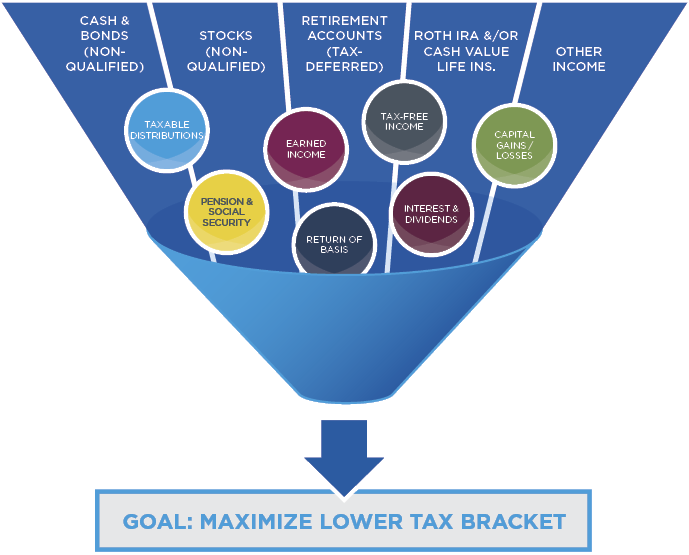
Traditional IRAs and 401(k)s offer tax-deferred growth. This means you don't pay taxes on the contributions or investment earnings until you withdraw the money in retirement. However, withdrawals are taxed as ordinary income in retirement. Generally, withdrawals before age 59 ½ are subject to a 10% penalty, in addition to the income tax. There are exceptions to this penalty, such as withdrawals due to disability, death, or certain medical expenses.
Required Minimum Distributions (RMDs) are another important aspect of traditional IRAs and 401(k)s. Once you reach a certain age (currently age 73, increasing to 75 in 2033), you are required to begin taking annual withdrawals from these accounts. The amount of the RMD is calculated based on your account balance and your life expectancy. Failing to take RMDs can result in significant penalties.
Roth IRA and 401(k) Accounts
Roth IRAs and 401(k)s offer a different tax advantage. Contributions are made with after-tax dollars, but qualified withdrawals in retirement are tax-free. To be considered a qualified withdrawal, the account must be open for at least five years, and you must be at least 59 ½ years old. This can be a significant advantage for those who anticipate being in a higher tax bracket in retirement.
Unlike traditional accounts, Roth IRAs are not subject to RMDs during the original owner's lifetime. This provides greater flexibility in managing your retirement income.
Taxable Investment Accounts
While not specifically designed for retirement, taxable investment accounts can also be a source of retirement income. These accounts are funded with after-tax dollars, and investment earnings are subject to capital gains taxes. When you sell assets in a taxable account, you'll pay capital gains taxes on the profit you make. The tax rate depends on how long you held the asset. Short-term capital gains (held for one year or less) are taxed at your ordinary income tax rate, while long-term capital gains (held for more than one year) are taxed at a lower rate.
Strategies for Withdrawing from Retirement Accounts
Developing a well-thought-out withdrawal strategy is crucial for ensuring a comfortable and sustainable retirement. Here are some strategies to consider:
Sequence of Returns Risk
Sequence of returns risk refers to the risk that negative investment returns early in retirement can significantly deplete your savings, even if the overall average return over your retirement years is positive. This is because withdrawals during periods of market downturns force you to sell more shares to meet your income needs, leaving less capital to benefit from future market recoveries. To mitigate this risk, consider:
- Diversifying your portfolio: A well-diversified portfolio can help reduce the impact of market volatility.
- Maintaining a cash reserve: Having a cash reserve can allow you to avoid selling investments during market downturns.
- Delaying withdrawals: If possible, consider delaying withdrawals from your retirement accounts until later in retirement.
Tax Optimization
Minimizing taxes is an essential part of retirement planning. Here are some strategies for optimizing your tax situation during retirement:
- Tax-efficient asset location: Consider holding tax-inefficient assets, such as bonds, in tax-deferred accounts like traditional IRAs and 401(k)s, and tax-efficient assets, such as stocks, in taxable accounts or Roth accounts.
- Roth conversions: Converting traditional IRA or 401(k) assets to a Roth IRA can be a tax-smart move if you anticipate being in a higher tax bracket in retirement. However, you'll need to pay income taxes on the converted amount in the year of the conversion.
- Qualified Charitable Distributions (QCDs): If you are age 70 ½ or older, you can donate up to $100,000 per year directly from your IRA to a qualified charity. QCDs can satisfy your RMD and reduce your taxable income.
Managing Healthcare Costs
Healthcare costs are a significant expense for many retirees. Planning for these costs is crucial for a secure retirement. Consider:
- Medicare: Understanding the different parts of Medicare and the associated costs is essential.
- Supplemental insurance: Consider purchasing supplemental insurance, such as Medigap or Medicare Advantage, to cover costs not covered by Medicare.
- Health Savings Account (HSA): If you are eligible, contributing to an HSA can provide tax advantages for healthcare expenses in retirement.
Longevity Risk
Longevity risk is the risk of outliving your savings. To address this risk, consider:
- Estimating your life expectancy: Use online calculators and consult with a financial advisor to estimate your life expectancy.
- Annuities: Annuities can provide a guaranteed stream of income for life.
- Delaying Social Security: Delaying Social Security benefits can increase your monthly payment.
Common Mistakes to Avoid When Withdrawing from Retirement Accounts
Avoiding common mistakes can help you protect your retirement savings and ensure a comfortable retirement. Here are some mistakes to avoid:
Withdrawing Too Much Too Soon
Withdrawing too much too soon can deplete your savings prematurely. It's important to develop a sustainable withdrawal strategy that takes into account your income needs, expenses, and life expectancy.
Ignoring Taxes
Ignoring taxes can significantly reduce your retirement income. Be sure to understand the tax implications of your withdrawals and plan accordingly.
Failing to Adjust Your Strategy
Your retirement needs and circumstances may change over time. It's important to review and adjust your withdrawal strategy regularly to ensure it still meets your needs.
Not Seeking Professional Advice
Retirement planning can be complex. Seeking professional advice from a financial advisor can help you develop a personalized retirement plan and avoid costly mistakes.

0 Comments