
Understanding Investment Strategies for Retirement
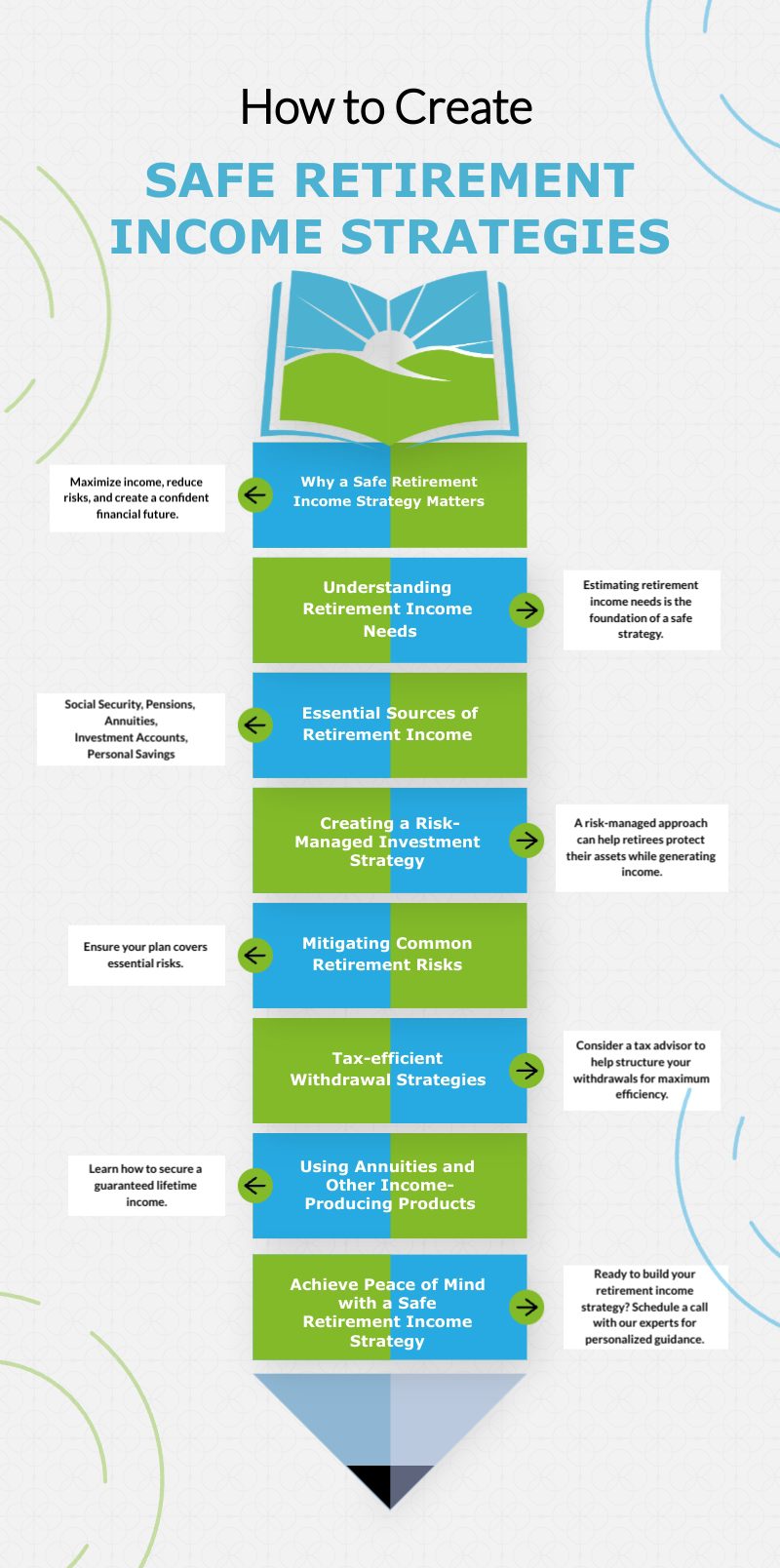
Retirement marks a significant life transition, and with it comes a shift in financial priorities. No longer are you actively accumulating wealth; instead, the focus turns to preserving your capital and generating income to sustain your lifestyle. Choosing the right investment strategies is crucial for a comfortable and secure retirement. This article explores various investment approaches tailored for retirees, offering guidance on navigating the complexities of retirement portfolio management.
Assessing Your Risk Tolerance and Time Horizon
Before diving into specific investment options, it's essential to reassess your risk tolerance and time horizon. While you might have been comfortable with higher-risk investments during your working years, retirement often necessitates a more conservative approach. However, completely avoiding risk can also be detrimental, as inflation can erode the purchasing power of your savings over time. Your time horizon, which refers to the number of years you expect to live in retirement, will also influence your investment choices. A longer time horizon allows for potentially higher-growth investments, while a shorter one may warrant a more conservative strategy.
Determining Your Risk Tolerance
Risk tolerance is a subjective measure of how comfortable you are with the potential for investment losses. Factors that influence risk tolerance include age, financial situation, investment knowledge, and emotional temperament. Consider taking a risk tolerance questionnaire or consulting with a financial advisor to gain a better understanding of your own risk profile.
Considering Your Time Horizon
Estimating your life expectancy is crucial for determining your time horizon. While it's impossible to predict the future with certainty, you can use actuarial tables and consider your health and family history to arrive at a reasonable estimate. Remember that underestimating your life expectancy can lead to running out of funds in retirement.
Diversification: A Cornerstone of Retirement Investing
Diversification is a risk management technique that involves spreading your investments across a variety of asset classes, such as stocks, bonds, and real estate. By diversifying your portfolio, you reduce the impact of any single investment performing poorly. This is particularly important in retirement, as you have less time to recover from significant losses.
The Importance of Asset Allocation
Asset allocation refers to the distribution of your investments across different asset classes. A well-diversified portfolio will typically include a mix of stocks, bonds, and potentially other assets like real estate or commodities. The specific allocation will depend on your risk tolerance, time horizon, and financial goals. A common rule of thumb is to gradually shift towards a more conservative allocation as you approach and enter retirement.
Rebalancing Your Portfolio
Over time, the performance of different asset classes will cause your initial asset allocation to drift. Rebalancing involves periodically adjusting your portfolio to bring it back to your target allocation. This helps to maintain your desired risk level and ensures that you are not overly exposed to any particular asset class. Rebalancing can be done annually, semi-annually, or even quarterly, depending on your preferences and market conditions.
Exploring Different Investment Options for Retirees
Retirees have a wide range of investment options available to them, each with its own risk and return profile. Here are some common investment choices for retirees:
Bonds
Bonds are generally considered to be less risky than stocks, making them a popular choice for retirees. They provide a fixed income stream and can help to stabilize a portfolio during market downturns. Different types of bonds include government bonds, corporate bonds, and municipal bonds.
Stocks
While stocks are generally considered to be riskier than bonds, they also offer the potential for higher returns. A small allocation to stocks can help to generate growth and keep pace with inflation. Consider focusing on dividend-paying stocks, which provide a regular income stream.
Mutual Funds and ETFs
Mutual funds and exchange-traded funds (ETFs) offer a convenient way to diversify your portfolio. They pool money from multiple investors and invest in a basket of stocks, bonds, or other assets. This allows you to gain exposure to a wide range of investments with a single transaction. Look for low-cost index funds or ETFs that track broad market indexes.
Annuities
Annuities are insurance contracts that provide a guaranteed income stream for life. They can be a useful tool for managing longevity risk, which is the risk of outliving your savings. However, annuities can also be complex and expensive, so it's important to carefully consider the terms and conditions before investing.
Real Estate
Real estate can be a valuable asset in retirement, providing both income and potential appreciation. However, it also comes with its own set of challenges, such as property taxes, maintenance costs, and potential vacancies. Consider investing in real estate investment trusts (REITs) for a more liquid and diversified approach to real estate investing.
Managing Taxes in Retirement
Taxes can have a significant impact on your retirement income. It's important to understand the tax implications of your investment choices and to develop strategies for minimizing your tax burden. Consider consulting with a tax advisor to develop a tax-efficient retirement plan.
Tax-Advantaged Accounts
Utilize tax-advantaged accounts, such as 401(k)s, IRAs, and Roth accounts, to minimize taxes on your retirement savings. Understand the rules and regulations governing these accounts, including contribution limits, withdrawal rules, and required minimum distributions (RMDs).
Tax-Loss Harvesting
Tax-loss harvesting is a strategy that involves selling investments that have lost value to offset capital gains. This can help to reduce your overall tax liability. Be aware of the wash-sale rule, which prevents you from repurchasing the same or a substantially similar investment within 30 days of selling it for a loss.
Seeking Professional Advice
Retirement planning can be complex and overwhelming. Consider consulting with a qualified financial advisor to develop a personalized retirement plan that meets your specific needs and goals. A financial advisor can help you assess your risk tolerance, determine your asset allocation, manage your investments, and navigate the complexities of retirement finances.

0 Comments