
Life After Debt: A New Beginning
Congratulations! You've finally reached a significant milestone: debt repayment. It's a huge accomplishment that deserves recognition. You've demonstrated discipline and commitment, and now you have a wonderful opportunity to redirect those resources towards building a secure and prosperous future. But where do you start? Long-term financial planning after debt repayment is crucial to ensure your financial well-being for years to come.
This isn't just about accumulating wealth; it's about creating a life of financial freedom, security, and peace of mind. It's about knowing you have the resources to achieve your dreams, whether that's early retirement, starting a business, traveling the world, or simply providing a comfortable life for your family. This guide will help you navigate the crucial steps involved in long-term financial planning after debt repayment.
Establishing a Solid Foundation
Before jumping into investing and complex strategies, it's essential to solidify your financial foundation. This involves creating a budget, building an emergency fund, and understanding your risk tolerance.
Creating a Realistic Budget
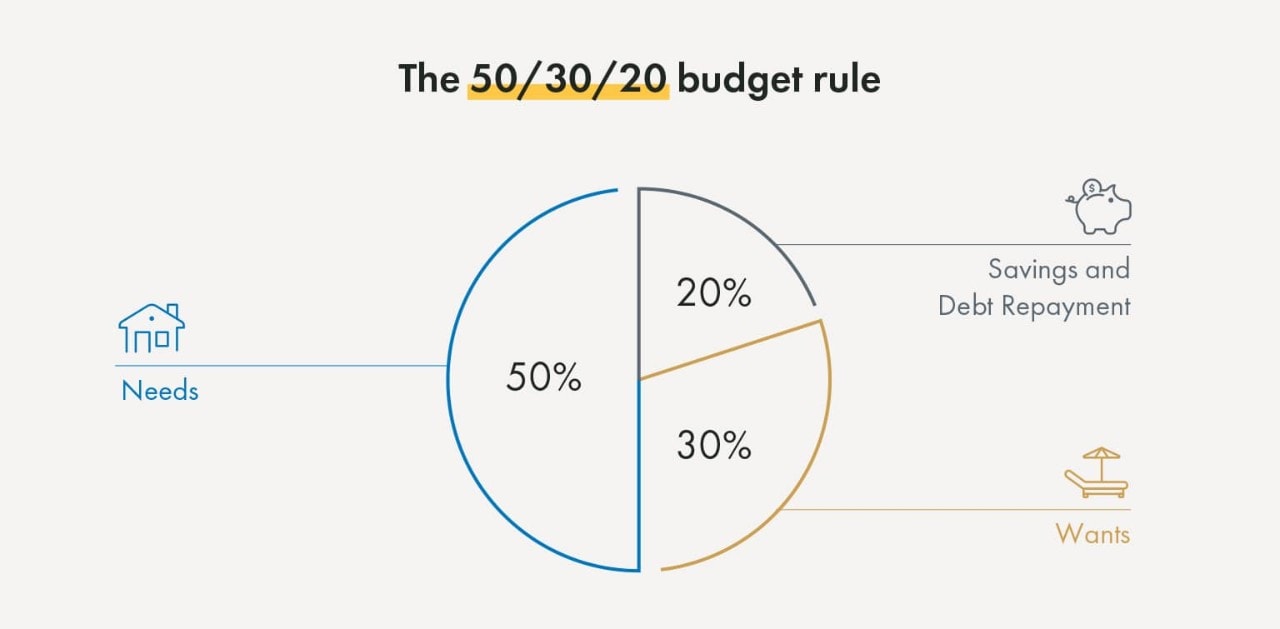
Even though you're no longer burdened by debt payments, a budget remains an essential tool for managing your finances effectively. Track your income and expenses to identify areas where you can save money. This will allow you to allocate more funds towards your long-term financial goals. Re-evaluate your budget regularly to ensure it aligns with your current financial situation and goals. Consider using budgeting apps or spreadsheets to simplify the process.
Building an Emergency Fund
An emergency fund is a crucial safety net that protects you from unexpected expenses, such as job loss, medical bills, or car repairs. Aim to save at least 3-6 months' worth of living expenses in a readily accessible, liquid account, such as a high-yield savings account. This will prevent you from accumulating new debt when unexpected events occur. Replenish the fund as needed after using it for emergencies. An emergency fund is the cornerstone of any sound financial plan.
Understanding Your Risk Tolerance
Your risk tolerance is your capacity to withstand potential losses in your investments. It's important to assess your risk tolerance before making any investment decisions. Factors that influence your risk tolerance include your age, financial goals, time horizon, and comfort level with market volatility. A conservative investor might prefer low-risk investments, such as bonds and certificates of deposit (CDs), while an aggressive investor might be comfortable with higher-risk investments, such as stocks and real estate. Understanding your risk tolerance will help you choose investments that are appropriate for your individual circumstances.
Investing for the Future
Once you have a solid foundation in place, you can start investing for your long-term financial goals. Investing allows your money to grow over time, potentially outpacing inflation and generating significant wealth.
Retirement Planning
Retirement planning is a crucial aspect of long-term financial planning. Start by estimating your retirement needs. Consider factors such as your desired lifestyle, healthcare costs, and inflation. Take advantage of employer-sponsored retirement plans, such as 401(k)s, especially if your employer offers matching contributions. Contribute enough to receive the full employer match, as this is essentially free money. In addition to employer-sponsored plans, consider opening an Individual Retirement Account (IRA), such as a traditional IRA or a Roth IRA. These accounts offer tax advantages that can help you save even more for retirement. Diversify your retirement investments across different asset classes, such as stocks, bonds, and real estate, to reduce risk. Regularly review and adjust your retirement plan as needed to ensure you are on track to meet your goals.
Investing in Stocks and Bonds
Stocks and bonds are two of the most common asset classes for long-term investing. Stocks represent ownership in a company and offer the potential for high growth, but they also come with higher risk. Bonds are debt instruments that offer a fixed rate of return, but they typically have lower growth potential than stocks. A diversified portfolio should include a mix of stocks and bonds, with the specific allocation depending on your risk tolerance and time horizon. Younger investors with a longer time horizon may consider allocating a larger portion of their portfolio to stocks, while older investors nearing retirement may prefer a more conservative allocation with a larger portion in bonds. Consider investing in low-cost index funds or exchange-traded funds (ETFs) to diversify your portfolio and minimize expenses. Regularly rebalance your portfolio to maintain your desired asset allocation.
Real Estate Investing
Real estate can be a valuable addition to a diversified investment portfolio. It can provide rental income, appreciation potential, and tax benefits. Consider investing in residential properties, commercial properties, or real estate investment trusts (REITs). Before investing in real estate, carefully research the market, assess your financial capacity, and understand the risks involved. Managing rental properties can be time-consuming and require significant effort, so consider hiring a property manager if you prefer a more hands-off approach.
Other Investment Options
In addition to stocks, bonds, and real estate, there are other investment options to consider, such as commodities, precious metals, and alternative investments. However, these investments can be more complex and may not be suitable for all investors. It's important to thoroughly research any investment before committing your money.
Protecting Your Assets
Protecting your assets is just as important as growing them. This involves having adequate insurance coverage and creating an estate plan.
Insurance Coverage
Ensure you have adequate insurance coverage to protect yourself and your assets from unexpected events. This includes health insurance, life insurance, disability insurance, homeowners insurance, and auto insurance. Review your insurance policies regularly to ensure they meet your current needs. Consider purchasing umbrella insurance for additional liability protection.
Estate Planning
Estate planning involves creating a plan for the distribution of your assets after your death. This includes creating a will, establishing trusts, and designating beneficiaries for your retirement accounts and insurance policies. Estate planning can help minimize taxes and ensure that your assets are distributed according to your wishes. Consult with an attorney specializing in estate planning to create a comprehensive plan that meets your specific needs.
Seeking Professional Advice
Financial planning can be complex, and it's often beneficial to seek professional advice from a qualified financial advisor. A financial advisor can help you assess your financial situation, develop a personalized financial plan, and provide ongoing guidance and support. When choosing a financial advisor, look for someone who is experienced, knowledgeable, and trustworthy. Consider working with a fee-only advisor, as they are less likely to have conflicts of interest.

0 Comments