
Understanding the Current Market Landscape
The question of whether now is a good time to invest in the stock market is a complex one, particularly when recession concerns loom large. Economic indicators often paint a mixed picture, with some suggesting continued growth while others hint at a potential downturn. Inflation, interest rate hikes, and geopolitical uncertainties all contribute to the volatility we're currently experiencing in the market. Understanding these factors is crucial before making any investment decisions.
To properly assess the situation, consider these key elements:
- Inflation Rates: Are they cooling down, or are they still stubbornly high? High inflation can erode purchasing power and impact corporate earnings.
- Interest Rate Policy: How aggressively is the Federal Reserve raising interest rates? Higher rates can slow economic growth and put downward pressure on stock prices.
- Geopolitical Risks: Are there any significant global events that could disrupt supply chains or impact investor sentiment?
- Corporate Earnings: How are companies performing? Strong earnings reports can boost investor confidence, even during uncertain times.
- Unemployment Rate: Is the labor market strong, or are we seeing signs of weakness? A rising unemployment rate is often a precursor to a recession.
The Impact of a Potential Recession on the Stock Market
Recessions typically bring about a decline in corporate profits, leading to lower stock valuations. Investor sentiment often turns negative, causing a sell-off that further depresses prices. However, it's important to remember that the stock market is forward-looking. It often anticipates economic downturns and begins to recover before the recession officially ends.
Historically, recessions have presented buying opportunities for long-term investors. While short-term losses are possible, the market has always recovered and reached new highs over time. The key is to identify fundamentally sound companies that are likely to weather the storm and emerge stronger on the other side. These companies often have strong balance sheets, competitive advantages, and the ability to adapt to changing market conditions.
Identifying Recession-Resistant Stocks
Certain sectors and industries tend to perform better than others during economic downturns. These are often referred to as "defensive" stocks and include companies that provide essential goods and services, such as:
- Consumer Staples: Companies that produce food, beverages, and household products.
- Healthcare: Companies that provide healthcare services, pharmaceuticals, and medical devices.
- Utilities: Companies that provide electricity, gas, and water.
These sectors tend to be less sensitive to economic fluctuations because people still need these goods and services regardless of the economic climate. However, it's crucial to conduct thorough research and due diligence before investing in any stock, even those in defensive sectors.
Investment Strategies for Navigating Market Volatility
During times of market uncertainty, it's essential to have a well-defined investment strategy. Here are some strategies to consider:
Dollar-Cost Averaging
Dollar-cost averaging involves investing a fixed amount of money at regular intervals, regardless of the stock price. This strategy helps to reduce the risk of buying at the peak of the market and allows you to accumulate more shares when prices are low. It's a disciplined approach that can help you stay invested during volatile periods.
Diversification
Diversification is a fundamental principle of investing that involves spreading your investments across different asset classes, sectors, and geographic regions. This helps to reduce the overall risk of your portfolio. By diversifying, you're not putting all your eggs in one basket. If one investment performs poorly, the others may help to offset the losses.
Long-Term Perspective
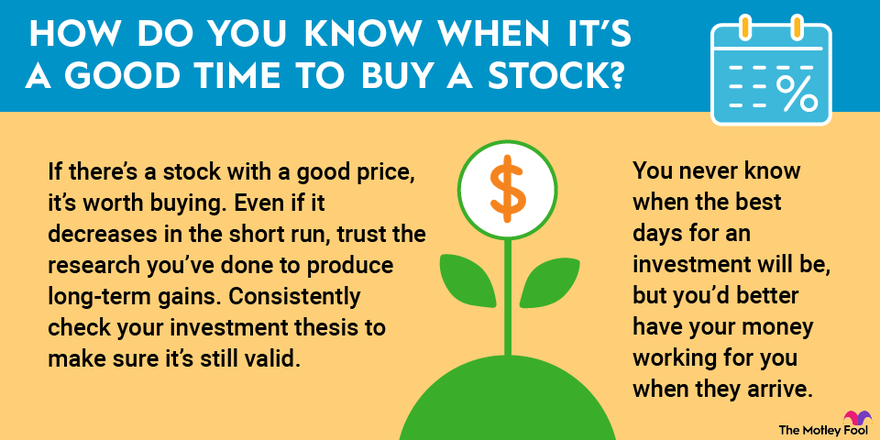
Investing in the stock market is a long-term game. It's important to have a time horizon of at least five years, and preferably longer. This allows you to ride out short-term market fluctuations and benefit from the long-term growth potential of the market. Trying to time the market is generally a losing strategy. Instead, focus on building a diversified portfolio and staying invested for the long haul.
Rebalancing Your Portfolio
Over time, your asset allocation may drift away from your target allocation due to market movements. Rebalancing involves selling some of your investments that have performed well and buying more of those that have underperformed to bring your portfolio back into alignment with your desired asset allocation. This helps to maintain your risk profile and ensure that you're not overexposed to any one asset class.
Assessing Your Risk Tolerance and Financial Goals
Before making any investment decisions, it's crucial to assess your risk tolerance and financial goals. Are you a conservative investor who prioritizes capital preservation, or are you a more aggressive investor who is willing to take on more risk in pursuit of higher returns? What are your financial goals? Are you saving for retirement, a down payment on a house, or your children's education? Your risk tolerance and financial goals will help to determine the appropriate investment strategy for you.
If you're unsure about your risk tolerance or financial goals, it's a good idea to consult with a qualified financial advisor. A financial advisor can help you assess your situation and develop a personalized investment plan that meets your needs.
Doing Your Due Diligence
Regardless of the investment strategy you choose, it's essential to do your due diligence before investing in any stock. This involves researching the company's financials, understanding its business model, and assessing its competitive landscape. Read the company's annual reports, listen to its earnings calls, and stay up-to-date on industry news. The more you know about a company, the better equipped you'll be to make informed investment decisions.
Consider these questions when evaluating a company:
- What is the company's business model? How does it make money?
- What are the company's strengths and weaknesses?
- Who are the company's competitors?
- What is the company's financial performance? Is it profitable? Is it growing?
- What is the company's management team like?
By taking the time to do your due diligence, you can increase your chances of making successful investments.

0 Comments