
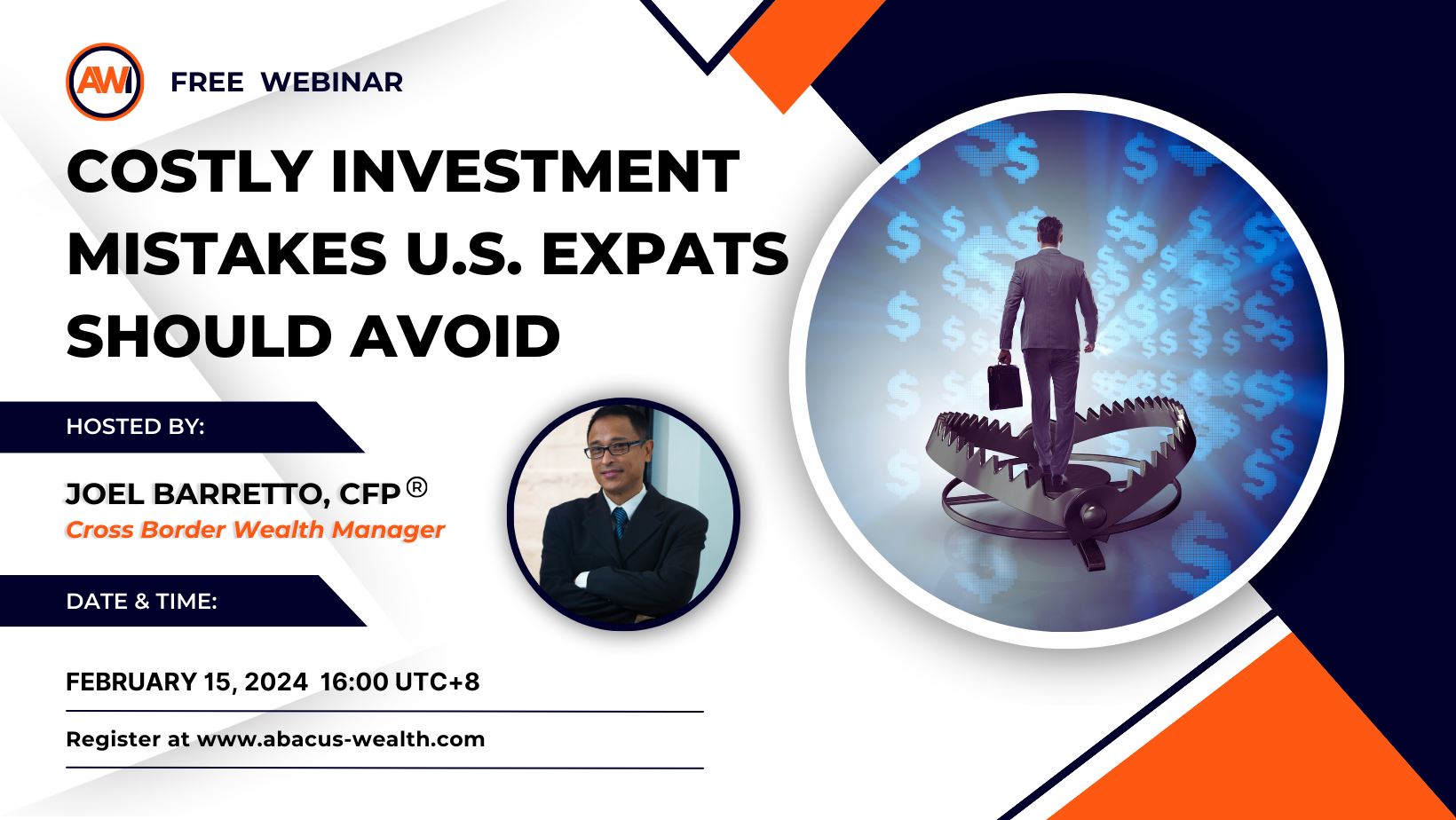
Turning Investment Missteps into Stepping Stones
Every investor, regardless of experience level, will inevitably make mistakes. The key isn't to avoid them entirely – that's virtually impossible – but to learn from them and use those lessons to refine your investment strategies. Viewing investment mistakes as opportunities for growth can transform your portfolio's performance and your overall financial well-being. This article explores several investment strategies designed to help you analyze, understand, and ultimately benefit from your past investment errors.
Analyzing Your Investment Mistakes: A Deep Dive
The first step in learning from investment mistakes is to thoroughly analyze what went wrong. This involves more than just acknowledging a loss; it requires a detailed examination of the circumstances surrounding the investment decision.
Documenting Your Investment Decisions
Maintaining a detailed record of your investment decisions is crucial. This record should include the reasons for making the investment, the research you conducted, your risk tolerance at the time, and any relevant market conditions. This documentation will serve as a valuable resource when analyzing your mistakes.
Identifying the Root Cause
Once you have documented your investment, try to pinpoint the root cause of the failure. Was it a lack of due diligence? Did you let emotions influence your decision-making? Did you misinterpret market signals? Common culprits include:
- Insufficient Research: Investing in companies you don't understand.
- Emotional Investing: Buying high and selling low due to fear or greed.
- Following the Crowd: Investing based on popular opinion without independent analysis.
- Ignoring Risk Tolerance: Taking on too much risk for your comfort level.
- Market Timing: Attempting to predict short-term market fluctuations.
Objectively Evaluating the Outcome
Be honest with yourself about the outcome. Acknowledge the loss and avoid rationalizing the mistake. Focus on identifying what you could have done differently, rather than dwelling on what you can't change. Use key performance indicators (KPIs) relevant to your investment type to measure the deviation from your expected outcome.
Implementing Strategies to Mitigate Future Mistakes
After analyzing your mistakes, it's time to implement strategies to prevent similar errors in the future. This involves refining your investment process and developing a more disciplined approach.
Developing a Written Investment Plan
A written investment plan is a roadmap for your financial goals. It outlines your investment objectives, risk tolerance, time horizon, and asset allocation strategy. Having a clear plan helps you stay focused and avoid impulsive decisions driven by market noise. Regularly review and update your plan to ensure it aligns with your evolving financial circumstances.
Diversification: Spreading the Risk
Diversification is a cornerstone of sound investment strategy. By spreading your investments across different asset classes, industries, and geographic regions, you can reduce the impact of any single investment on your overall portfolio. Diversification doesn't guarantee profits, but it can help mitigate losses. Consider using index funds or exchange-traded funds (ETFs) to easily diversify your portfolio.
Setting Stop-Loss Orders
Stop-loss orders are pre-set instructions to sell an investment if it falls below a certain price. This can help limit your losses on individual investments. While stop-loss orders don't guarantee you'll sell at the specified price (especially during volatile market conditions), they can provide a safety net against significant declines.
Dollar-Cost Averaging
Dollar-cost averaging involves investing a fixed amount of money at regular intervals, regardless of the asset's price. This strategy helps to smooth out the impact of market fluctuations and can reduce the risk of buying high. Over time, you'll buy more shares when prices are low and fewer shares when prices are high, potentially leading to a lower average cost per share.
Seeking Professional Advice
Don't hesitate to seek advice from a qualified financial advisor. A professional can provide objective guidance, help you develop a personalized investment plan, and offer insights into complex financial matters. Look for advisors who are fiduciaries, meaning they are legally obligated to act in your best interest.
Cultivating a Growth Mindset
Learning from investment mistakes requires a shift in mindset. Instead of viewing failures as setbacks, embrace them as opportunities for growth and improvement.
Continuous Learning
The investment landscape is constantly evolving, so it's essential to stay informed. Read books, articles, and financial reports. Attend seminars and webinars. Follow reputable financial news sources. The more you learn, the better equipped you'll be to make informed investment decisions.
Embracing Humility
Acknowledge that you don't have all the answers. Be willing to admit when you're wrong and learn from your mistakes. Avoid arrogance and overconfidence, which can lead to reckless investment decisions.
Reviewing and Adjusting
Regularly review your investment performance and make adjustments to your strategy as needed. Market conditions change, and your financial goals may evolve over time. Be flexible and adapt your approach accordingly.
Focusing on the Long Term
Investing is a long-term game. Don't get discouraged by short-term market fluctuations or occasional losses. Stay focused on your long-term goals and stick to your investment plan. Remember that even Warren Buffett has made investment mistakes; the key is to learn from them and keep moving forward.

0 Comments