
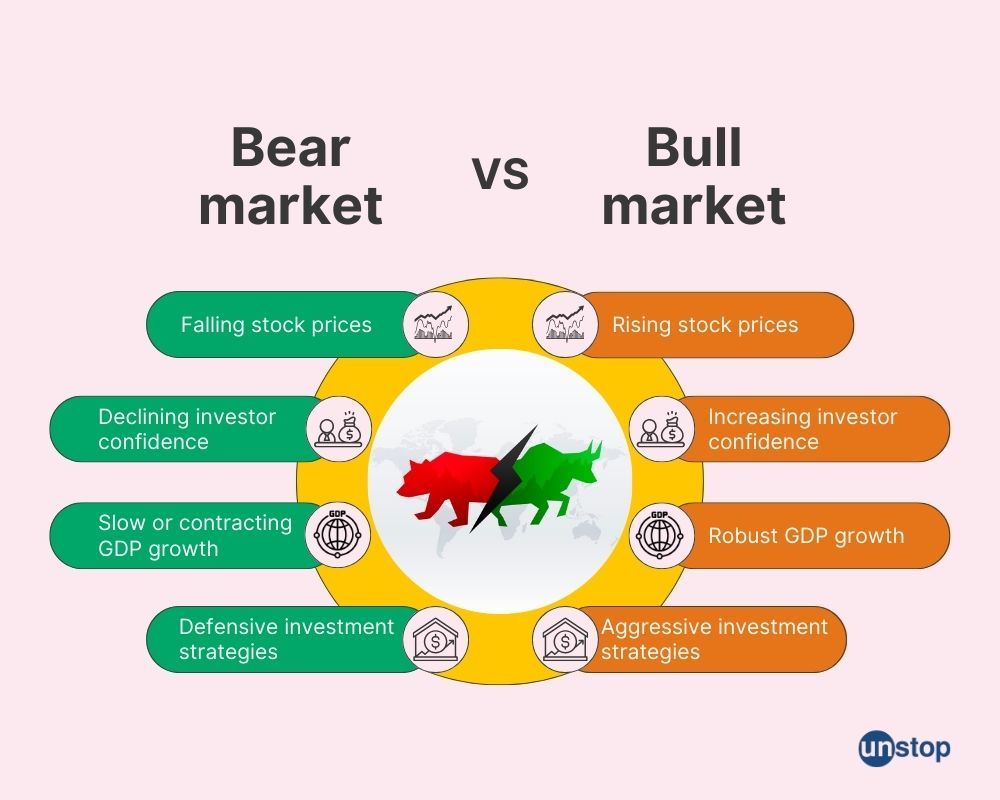
Understanding Bull Markets: An Overview
A bull market is a period of sustained upward trends in the stock market. Characterized by investor optimism, increased trading volume, and rising stock prices, bull markets present unique opportunities for investors to grow their wealth. However, they also come with risks, as valuations can become stretched, and corrections can occur unexpectedly. Understanding the dynamics of a bull market is crucial for developing effective investment strategies.
Key Characteristics of a Bull Market
Several factors contribute to the formation and continuation of a bull market:
- Strong Economic Growth: A healthy economy, with rising GDP, low unemployment, and increasing consumer spending, often fuels a bull market.
- Investor Confidence: Positive investor sentiment and a belief in continued economic growth drive demand for stocks.
- Low Interest Rates: Low interest rates make borrowing cheaper for companies, encouraging investment and expansion, which in turn boosts stock prices.
- Increased Corporate Earnings: Companies reporting strong earnings and positive outlooks attract investors, further driving up stock prices.
Investment Strategies to Consider During a Bull Market
While a bull market offers the potential for significant gains, it's important to approach investing with a well-thought-out strategy. Here are several strategies to consider:
1. Growth Stock Investing
Growth stocks are shares of companies that are expected to grow their earnings at a significantly faster rate than the average company in the market. These companies often reinvest their profits back into the business to fuel further expansion. During a bull market, growth stocks can outperform the market significantly. However, they also tend to be more volatile, so a higher risk tolerance is required.
How to Implement: Research companies with strong revenue growth, innovative products or services, and a solid management team. Be prepared for potential price swings and consider diversifying your growth stock holdings across different sectors.
2. Momentum Investing
Momentum investing involves buying stocks that have already shown strong price appreciation. The idea is that stocks that have been performing well are likely to continue to do so. This strategy can be particularly effective during a bull market, as positive momentum can drive prices even higher. However, it's important to be aware that momentum can shift quickly, so it's crucial to have a clear exit strategy.
How to Implement: Identify stocks with strong upward price trends and increasing trading volume. Use technical indicators like moving averages and relative strength index (RSI) to confirm the momentum. Set stop-loss orders to limit potential losses if the momentum reverses.
3. Sector Rotation
Sector rotation involves shifting investments from one sector of the economy to another based on the stage of the economic cycle. During a bull market, certain sectors tend to outperform others. For example, early in a bull market, sectors like consumer discretionary and technology often lead the way. As the bull market matures, sectors like energy and materials may start to outperform.
How to Implement: Monitor economic indicators and industry trends to identify sectors that are likely to benefit from the current economic environment. Use exchange-traded funds (ETFs) to gain exposure to specific sectors. Be prepared to rebalance your portfolio as the economic cycle evolves.
4. Value Investing (with a Twist)
While value investing typically focuses on finding undervalued stocks, it can be adapted for a bull market. Instead of solely looking for stocks trading below their intrinsic value, consider companies with strong fundamentals that are still relatively undervalued compared to their growth potential. This approach can help you identify companies that are likely to benefit from the bull market's upward momentum.
How to Implement: Look for companies with strong balance sheets, consistent earnings growth, and a history of returning value to shareholders. Use financial ratios like price-to-earnings (P/E) ratio and price-to-book (P/B) ratio to identify undervalued opportunities. Consider companies that are undergoing a turnaround or are benefiting from a positive industry trend.
5. Dividend Growth Investing
Dividend growth investing involves investing in companies that consistently increase their dividend payouts over time. These companies tend to be financially stable and generate strong cash flow. During a bull market, dividend growth stocks can provide a steady stream of income while also benefiting from potential capital appreciation.
How to Implement: Research companies with a long history of increasing dividends, a low payout ratio (the percentage of earnings paid out as dividends), and a strong track record of earnings growth. Look for companies in stable industries with a competitive advantage. Consider reinvesting your dividends to further accelerate your returns.
Risk Management Strategies for a Bull Market
While a bull market can be exciting, it's essential to manage risk effectively. Here are some risk management strategies to consider:
1. Diversification
Diversification involves spreading your investments across different asset classes, sectors, and geographic regions. This helps to reduce the impact of any single investment on your overall portfolio. During a bull market, it's tempting to concentrate your investments in high-performing stocks, but diversification can help protect your portfolio from potential losses if the market corrects.
How to Implement: Allocate your investments across different asset classes like stocks, bonds, and real estate. Within your stock portfolio, diversify across different sectors and market capitalizations. Consider investing in international stocks to gain exposure to different economies.
2. Stop-Loss Orders
A stop-loss order is an order to sell a stock when it reaches a certain price. This can help to limit your potential losses if the stock price declines. During a bull market, it's important to set stop-loss orders to protect your profits and limit your downside risk.
How to Implement: Determine your risk tolerance and set stop-loss orders at a level that you are comfortable with. Consider using trailing stop-loss orders, which automatically adjust as the stock price rises, to lock in profits while still allowing for potential upside.
3. Rebalancing
Rebalancing involves periodically adjusting your portfolio to maintain your desired asset allocation. During a bull market, your stock holdings may grow significantly, causing your portfolio to become overweight in stocks. Rebalancing involves selling some of your stock holdings and reinvesting the proceeds in other asset classes to bring your portfolio back to its target allocation.
How to Implement: Determine your target asset allocation based on your risk tolerance and investment goals. Rebalance your portfolio at least annually, or more frequently if necessary. Consider using a robo-advisor to automate the rebalancing process.
4. Staying Informed
Staying informed about market trends, economic developments, and company news is crucial for making informed investment decisions. During a bull market, it's easy to get caught up in the hype, but it's important to remain objective and make decisions based on sound analysis.
How to Implement: Read financial news publications, follow market analysts, and monitor company earnings reports. Be wary of overly optimistic forecasts and consider contrarian viewpoints.
5. Avoiding Overconfidence
One of the biggest risks during a bull market is overconfidence. When the market is consistently rising, it's easy to believe that you are a skilled investor and that the bull market will continue indefinitely. However, it's important to remain humble and recognize that market conditions can change quickly.
How to Implement: Avoid making impulsive investment decisions based on emotion. Stick to your investment plan and avoid taking on excessive risk. Remember that past performance is not indicative of future results.

0 Comments