
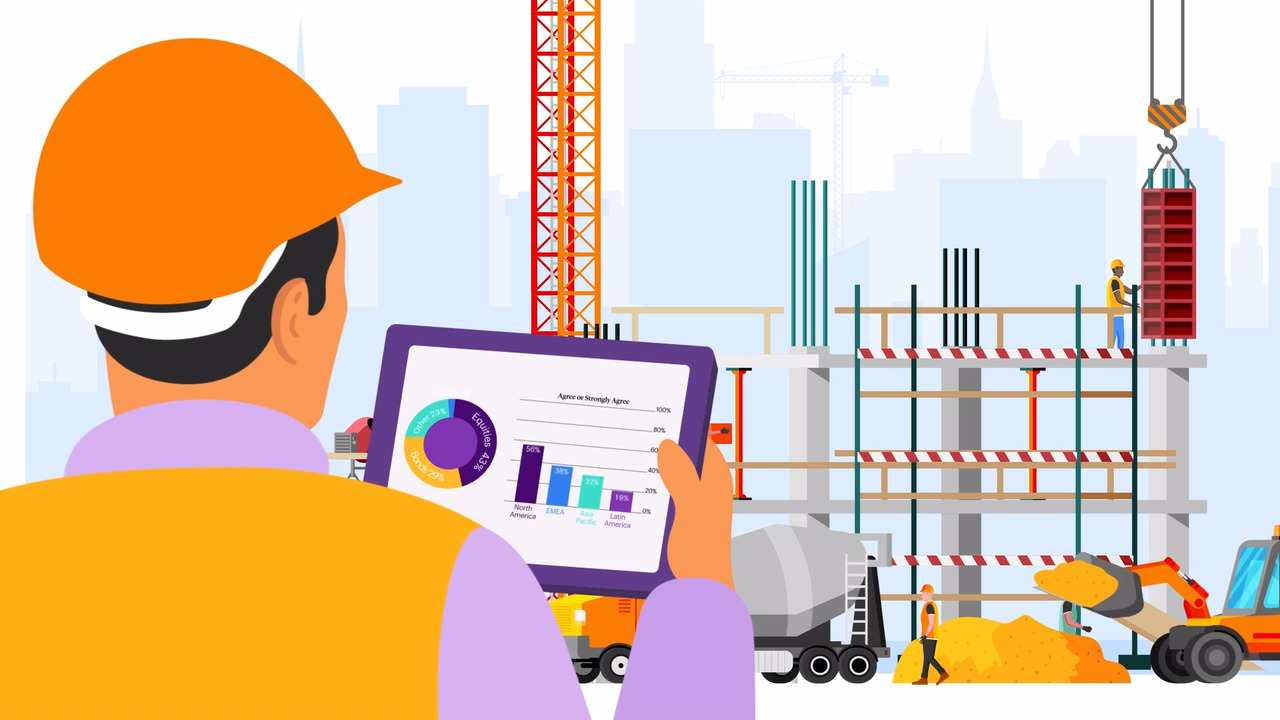
The Critical Role of Insurance Risk Management in Construction
The construction industry is inherently risky. From on-site accidents and property damage to unforeseen delays and contractual disputes, construction projects face a multitude of potential hazards. Effectively managing these risks is paramount not only for the safety of workers and the public but also for the financial stability and long-term success of construction companies.
Insurance plays a vital role in mitigating these risks, but simply having insurance coverage is not enough. Construction companies need a comprehensive risk management strategy that integrates insurance policies, safety protocols, and proactive risk assessment measures. This is where insurance risk management software for construction comes into play.
What is Insurance Risk Management Software for Construction?
Insurance risk management software is a specialized tool designed to help construction companies streamline and automate their insurance-related processes. It provides a centralized platform for managing insurance policies, tracking claims, monitoring compliance, and analyzing risk exposures. By leveraging this technology, construction firms can gain better control over their insurance costs, reduce their exposure to potential losses, and improve their overall risk management performance.
Key Features of Insurance Risk Management Software
The best insurance risk management software for construction offers a wide range of features to address the specific needs of the industry. Some of the most important features include:
Policy Management
This feature allows users to store and manage all their insurance policies in one central location. It includes functionalities for tracking policy renewals, coverage limits, deductibles, and other important policy details. Automated reminders can be set up to ensure timely policy renewals and prevent lapses in coverage. Furthermore, users can easily access and share policy information with relevant stakeholders, such as project managers, subcontractors, and insurance brokers.
Claims Management
Effective claims management is crucial for minimizing the financial impact of accidents and incidents. The software should provide tools for documenting claims, tracking their progress, and managing communication with insurance carriers. It should also allow users to analyze claims data to identify trends and patterns that can inform future risk mitigation efforts. Features like automated claim reporting and document storage ensure a streamlined and efficient claims process.
Compliance Tracking
Construction companies must comply with a variety of regulations and industry standards related to safety, insurance, and licensing. The software should help users track their compliance status and identify any potential gaps. This can include features for monitoring employee training, tracking equipment inspections, and managing subcontractor insurance certificates. Automated alerts and notifications can help ensure that all compliance requirements are met on time.
Risk Assessment and Reporting
A proactive approach to risk management requires ongoing risk assessment and analysis. The software should provide tools for identifying and evaluating potential risks, such as on-site hazards, project delays, and contractual liabilities. It should also generate reports that provide insights into the company's overall risk profile and highlight areas for improvement. These reports can be used to inform decision-making and prioritize risk mitigation efforts.
Subcontractor Management
Subcontractors play a significant role in many construction projects, and their insurance coverage can have a direct impact on the overall risk profile of the project. The software should include features for managing subcontractor insurance certificates, verifying coverage limits, and tracking compliance with insurance requirements. Automated alerts can be set up to notify users when subcontractor insurance certificates are about to expire or when coverage is insufficient.
Integration with Other Systems
To maximize its effectiveness, insurance risk management software should integrate seamlessly with other systems used by the construction company, such as project management software, accounting software, and safety management systems. This integration allows for the sharing of data and the automation of workflows, streamlining processes and improving efficiency.
Benefits of Using Insurance Risk Management Software
Implementing insurance risk management software can bring numerous benefits to construction companies of all sizes. These benefits include:
Reduced Insurance Costs
By effectively managing risks and demonstrating a commitment to safety, construction companies can often negotiate lower insurance premiums. The software can help identify areas where risks can be reduced, leading to cost savings over time. Accurate data and comprehensive reporting also support stronger negotiations with insurance providers.
Improved Compliance
The software helps ensure compliance with all relevant regulations and industry standards, reducing the risk of fines, penalties, and legal liabilities. Automated tracking and alerts prevent oversights and ensure timely adherence to requirements.
Enhanced Safety
By identifying and mitigating potential hazards, the software helps create a safer work environment for employees and subcontractors. Reduced accidents and incidents lead to lower workers' compensation costs and improved employee morale.
Streamlined Processes
The software automates many of the manual tasks associated with insurance management, such as policy tracking, claims processing, and compliance reporting. This frees up valuable time for employees to focus on more strategic initiatives.
Better Decision-Making
The software provides access to comprehensive data and analytics, enabling informed decision-making related to risk management and insurance coverage. Data-driven insights support proactive risk mitigation strategies.
Increased Efficiency
Centralizing all insurance-related information in one platform improves efficiency and reduces the risk of errors. Easy access to policies, claims data, and compliance records streamlines workflows and improves collaboration.
Choosing the Right Insurance Risk Management Software
When selecting insurance risk management software for your construction company, it's important to consider your specific needs and requirements. Here are some key factors to keep in mind:
Industry Specificity
Choose software that is specifically designed for the construction industry and understands the unique risks and challenges faced by construction companies.
Scalability
Select a solution that can scale with your business as it grows. The software should be able to handle increasing volumes of data and support a growing number of users.
Ease of Use
The software should be user-friendly and easy to navigate. Employees should be able to quickly learn how to use the software and access the information they need.
Customer Support
Choose a vendor that offers excellent customer support and training. You should be able to get help when you need it and have access to resources that will help you get the most out of the software.
Integration Capabilities
Ensure that the software integrates seamlessly with your existing systems, such as project management software, accounting software, and safety management systems.
Cost
Consider the total cost of ownership, including the initial purchase price, ongoing maintenance fees, and training costs. Choose a solution that offers a good value for your investment.
Implementing Insurance Risk Management Software
Once you have selected the right software, it's important to plan for a successful implementation. This includes:
Defining Your Goals
Clearly define your goals for implementing the software. What are you hoping to achieve? What specific problems are you trying to solve?
Developing a Plan
Create a detailed implementation plan that outlines the steps involved in deploying the software, training employees, and migrating data.
Training Employees
Provide comprehensive training to all employees who will be using the software. Ensure that they understand how to use the software effectively and how it can help them do their jobs better.
Monitoring Progress
Monitor the progress of the implementation and track key metrics to ensure that you are on track to achieve your goals. Make adjustments to your plan as needed.
Regularly Reviewing and Updating
Risk management is an ongoing process. Regularly review and update your risk management plan to reflect changes in your business and the construction industry. Continuously evaluate the effectiveness of your insurance risk management software and make adjustments as needed to optimize its performance.

0 Comments