
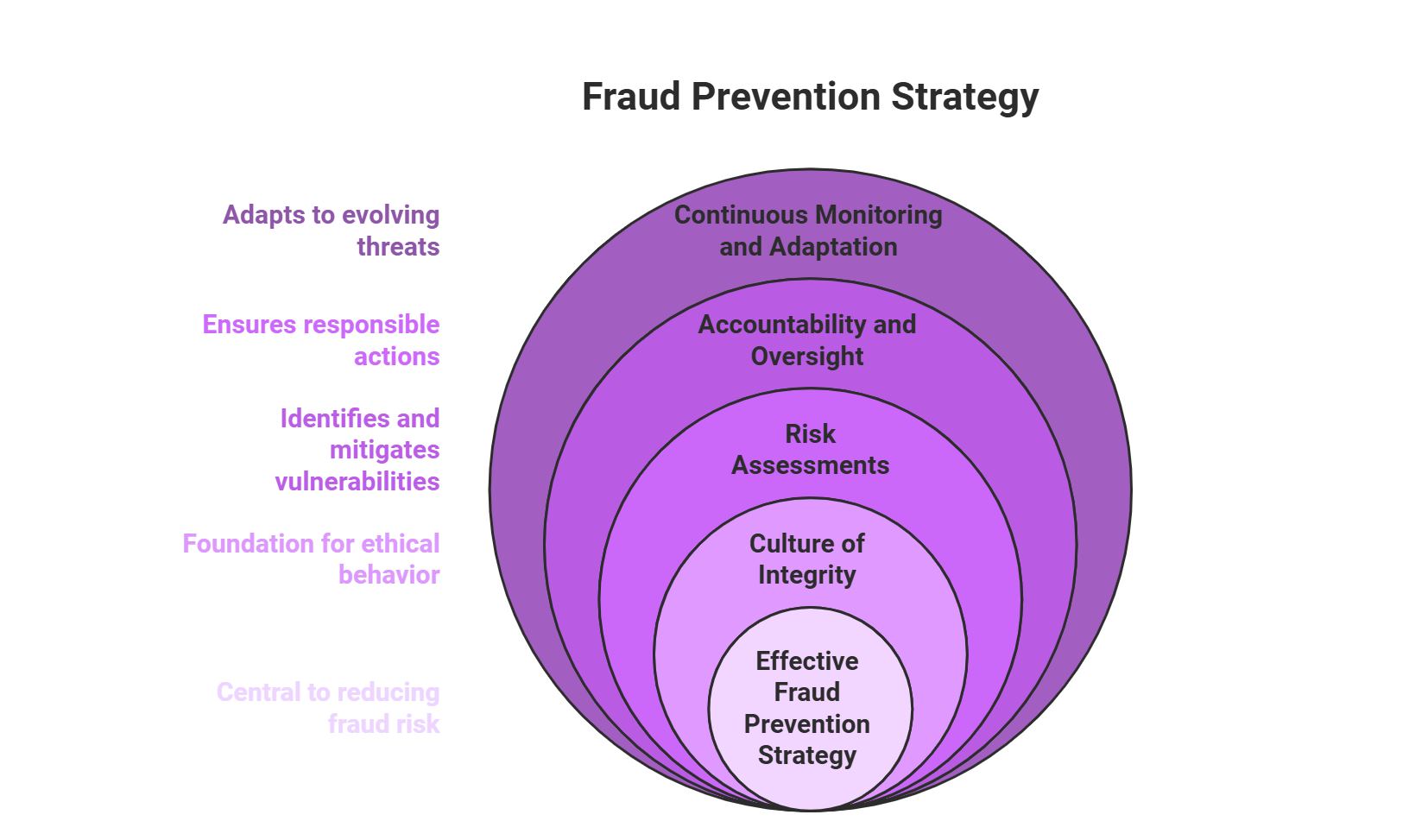
Why Insurance Fraud Prevention Training is Essential
Insurance fraud is a pervasive problem impacting the entire insurance industry. It not only leads to significant financial losses for insurance companies but also drives up premiums for honest policyholders. Effectively combating insurance fraud requires a multi-faceted approach, and a crucial component of this strategy is comprehensive insurance fraud prevention training for employees.
Equipping your employees with the knowledge and skills to identify, prevent, and report fraudulent activities is a proactive measure that can significantly mitigate risk. This training empowers them to become the first line of defense against fraud, protecting your company's bottom line and maintaining its reputation.
The High Cost of Insurance Fraud
The financial impact of insurance fraud is staggering. Billions of dollars are lost annually due to fraudulent claims across various insurance sectors, including auto, health, property, and workers' compensation. These losses are ultimately passed on to consumers in the form of higher premiums, making insurance less affordable for everyone.
Beyond the direct financial losses, insurance fraud can also damage a company's reputation, lead to legal liabilities, and erode public trust. A proactive fraud prevention strategy, including employee training, is therefore an investment in the long-term health and sustainability of your business.
Key Components of an Effective Training Program
A successful insurance fraud prevention training program should cover a range of topics and be tailored to the specific roles and responsibilities of employees within your organization. Here are some key components to consider:
Understanding Different Types of Insurance Fraud
Employees need to be educated about the various types of insurance fraud that exist. This includes:
- Hard Fraud: Deliberately fabricating claims or staging incidents to collect insurance payouts. Examples include arson, staged auto accidents, and faking injuries.
- Soft Fraud: Exaggerating legitimate claims to receive a larger payout. This could involve inflating the value of damaged property or misrepresenting the severity of an injury.
- Premium Fraud: Providing false information to obtain lower insurance premiums. This might involve misrepresenting the number of drivers in a household or underreporting the value of insured assets.
- Internal Fraud: Fraudulent activities committed by employees within the insurance company itself, such as processing false claims or embezzling funds.
Identifying Red Flags and Suspicious Activities
Training should equip employees with the ability to recognize red flags that may indicate fraudulent activity. These red flags can vary depending on the type of insurance but may include:
- Inconsistencies in claim documentation
- Unusual or suspicious circumstances surrounding an incident
- Claims that are filed shortly after a policy is issued
- Claimants who are reluctant to provide information or cooperate with investigations
- Claims involving multiple parties with similar or related injuries
- Medical bills or repair estimates that seem inflated or unreasonable
Proper Claim Handling Procedures
Employees involved in claim processing should be thoroughly trained on proper claim handling procedures. This includes verifying the accuracy of information, conducting thorough investigations, and following established protocols for documenting and resolving claims. Emphasize the importance of adhering to these procedures to minimize the risk of fraud.
Legal and Ethical Considerations
Training should cover the legal and ethical implications of insurance fraud. Employees should understand the potential consequences of participating in or failing to report fraudulent activities. This includes potential criminal charges, civil lawsuits, and damage to their professional reputation. Reinforce the importance of ethical conduct and integrity in all aspects of their work.
Reporting Suspected Fraud
Employees need to know how to report suspected fraud without fear of retaliation. Establish a clear and confidential reporting process that allows employees to raise concerns without jeopardizing their jobs. Emphasize the importance of reporting even seemingly minor suspicions, as they may be part of a larger fraudulent scheme.
The Role of Technology in Fraud Detection
Discuss how technology is used to detect and prevent insurance fraud. This could include data analytics, fraud detection software, and artificial intelligence. Explain how these tools can help identify patterns and anomalies that may indicate fraudulent activity. Show employees how their work contributes to the effectiveness of these technologies.
Tailoring Training to Specific Roles
The content and focus of insurance fraud prevention training should be tailored to the specific roles and responsibilities of employees. For example:
Claims Adjusters
Claims adjusters should receive in-depth training on claim investigation techniques, red flag identification, and proper claim documentation. They should also be trained on how to interview claimants and witnesses to gather information and identify inconsistencies.
Underwriters
Underwriters should be trained on risk assessment techniques and how to identify potential fraud risks during the policy application process. They should also be trained on how to verify information provided by applicants and how to identify red flags that may indicate premium fraud.
Customer Service Representatives
Customer service representatives are often the first point of contact for customers and may be the first to notice suspicious activity. They should be trained on how to identify red flags and how to report suspected fraud to the appropriate authorities.
Delivering Effective Training
The delivery method of insurance fraud prevention training can also impact its effectiveness. Consider using a variety of training methods to engage employees and reinforce learning. These methods may include:
- Classroom Training: Provides a structured learning environment and allows for interactive discussions and Q&A sessions.
- Online Training: Offers flexibility and convenience, allowing employees to complete training at their own pace.
- Interactive Workshops: Provides hands-on experience in identifying and investigating fraudulent claims.
- Case Studies: Allows employees to analyze real-world examples of insurance fraud and develop their problem-solving skills.
- Role-Playing Exercises: Provides opportunities for employees to practice their skills in a simulated environment.
Regular Updates and Ongoing Training
Insurance fraud is a constantly evolving problem, and new schemes and techniques are constantly emerging. It is therefore essential to provide regular updates and ongoing training to employees to keep them informed of the latest trends and best practices in fraud prevention. This could involve periodic refresher courses, newsletters, or online resources.
Creating a Culture of Compliance
Effective insurance fraud prevention training is not just about providing information; it's also about creating a culture of compliance within your organization. This requires strong leadership support, clear communication, and a commitment to ethical conduct. By fostering a culture where employees feel empowered to report suspected fraud and are rewarded for their efforts, you can significantly reduce the risk of fraud and protect your business.

0 Comments