
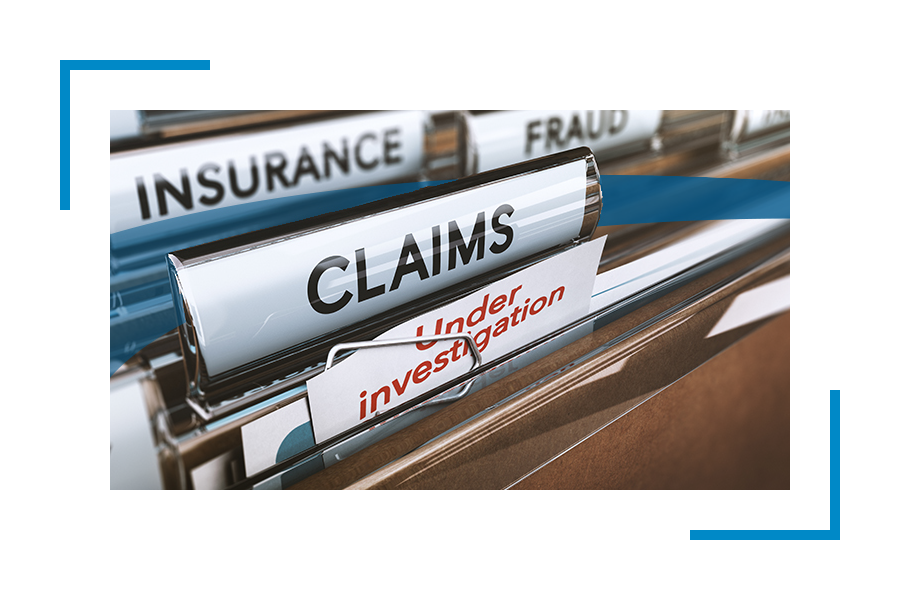
The Rising Tide of Insurance Fraud and the Need for Investigation
Insurance fraud is a pervasive and costly problem that affects insurers and policyholders alike. It manifests in various forms, from exaggerated claims and staged accidents to outright fabrication of events. The financial impact is significant, leading to increased premiums for honest customers and straining the resources of insurance companies. In this landscape, insurance claims investigation services play a crucial role in fraud detection and prevention.
Understanding Insurance Claims Investigation Services
Insurance claims investigation services are specialized professional services designed to uncover fraudulent or suspicious insurance claims. These services employ a range of techniques and technologies to thoroughly examine claims, verify information, and identify inconsistencies or red flags that may indicate fraud. The goal is to protect insurers from paying out on fraudulent claims and to deter future fraudulent activity.
What do Insurance Claims Investigators Do?
Insurance claims investigators are highly trained professionals with expertise in investigation, law, and insurance practices. Their duties include, but are not limited to:
- Reviewing claim documentation: Scrutinizing policy documents, medical records, police reports, and other relevant information for inconsistencies or discrepancies.
- Conducting interviews: Interviewing claimants, witnesses, and other involved parties to gather information and assess credibility.
- Surveillance: Employing surveillance techniques, where legally permissible, to observe claimants and gather evidence of fraudulent activity.
- Background checks: Conducting background checks on claimants to uncover prior fraudulent claims or suspicious activity.
- Forensic accounting: Analyzing financial records to identify fraudulent financial claims.
- Accident reconstruction: Reconstructing accident scenes to determine the cause and circumstances of the incident.
- Medical record review: Analyzing medical records to identify inconsistencies or red flags that may indicate medical fraud.
- Expert consultations: Consulting with experts in various fields, such as medicine, engineering, or forensic science, to provide specialized knowledge and analysis.
Types of Insurance Fraud Targeted by Investigations
Insurance claims investigation services address a wide range of fraudulent activities across different types of insurance policies.
Auto Insurance Fraud
Auto insurance fraud is one of the most common types of insurance fraud. It includes:
- Staged accidents: Intentionally causing accidents to file fraudulent claims.
- Exaggerated damages: Inflating the cost of repairs or medical treatment.
- Phantom passengers: Adding fictitious passengers to a claim.
- False theft reports: Filing false reports of vehicle theft.
Workers' Compensation Fraud
Workers' compensation fraud involves fraudulent claims for work-related injuries or illnesses. This can include:
- Faking injuries: Fabricating or exaggerating injuries to receive benefits.
- Working while collecting benefits: Continuing to work while claiming to be unable to work due to an injury.
- Claiming non-work-related injuries: Attributing injuries or illnesses to work that are not actually work-related.
Health Insurance Fraud
Health insurance fraud can be committed by both providers and patients. It includes:
- Billing for services not rendered: Billing for medical services that were never provided.
- Upcoding: Billing for more expensive services than were actually provided.
- Unbundling: Billing separately for services that should be billed together.
- Prescription fraud: Obtaining prescription drugs through fraudulent means.
Property Insurance Fraud
Property insurance fraud involves fraudulent claims for damage to or loss of property. This can include:
- Arson: Intentionally setting fire to property to collect insurance money.
- Exaggerated damage claims: Inflating the cost of repairs or replacement.
- False theft reports: Filing false reports of theft.
Life Insurance Fraud
Life insurance fraud is a serious crime that involves fraudulent claims for life insurance benefits. This can include:
- Falsifying information on the application: Providing false information about health or lifestyle to obtain a policy.
- Murder for insurance money: Killing the insured person to collect the benefits.
Benefits of Using Insurance Claims Investigation Services
Engaging professional insurance claims investigation services offers numerous benefits to insurance companies:
Reduced Fraudulent Payouts
The primary benefit is the reduction of fraudulent payouts. By identifying and disproving fraudulent claims, insurers can save significant amounts of money.
Improved Claims Processing Efficiency
Investigation services can help streamline the claims process by quickly identifying suspicious claims and focusing resources on legitimate ones.
Deterrence of Future Fraud
Successfully prosecuting fraudulent claims sends a strong message that fraud will not be tolerated, deterring future fraudulent activity.
Protection of Reputation
By actively combating fraud, insurers can protect their reputation and maintain the trust of their policyholders.
Cost Savings
While there is a cost associated with investigation services, the savings from preventing fraudulent payouts often outweigh the expense.
The Technology Used in Insurance Claims Investigation
Modern insurance claims investigations leverage advanced technologies to enhance their effectiveness:
Data Analytics
Data analytics tools are used to analyze large volumes of claims data to identify patterns and anomalies that may indicate fraud.
Artificial Intelligence (AI) and Machine Learning (ML)
AI and ML algorithms can be used to automate fraud detection, identify high-risk claims, and predict future fraudulent activity.
Surveillance Technology
Advanced surveillance technology, such as drones and hidden cameras, can be used to gather evidence of fraudulent activity, while adhering to all legal and ethical guidelines.
Social Media Analysis
Social media analysis can be used to gather information about claimants and verify their claims.
Choosing the Right Insurance Claims Investigation Service
Selecting the right insurance claims investigation service is crucial for achieving optimal results. Consider the following factors:
Experience and Expertise
Choose a service with a proven track record of success and experienced investigators with expertise in relevant areas, such as insurance law, investigation techniques, and forensic accounting.
Licensing and Credentials
Ensure that the service is properly licensed and accredited to conduct investigations in your jurisdiction.
Technology and Resources
Select a service that utilizes advanced technology and has the resources necessary to conduct thorough investigations.
Reputation and References
Check the service's reputation and ask for references from previous clients.
Compliance
Ensure that the service adheres to all relevant laws and regulations, including privacy laws and data protection regulations.

0 Comments