
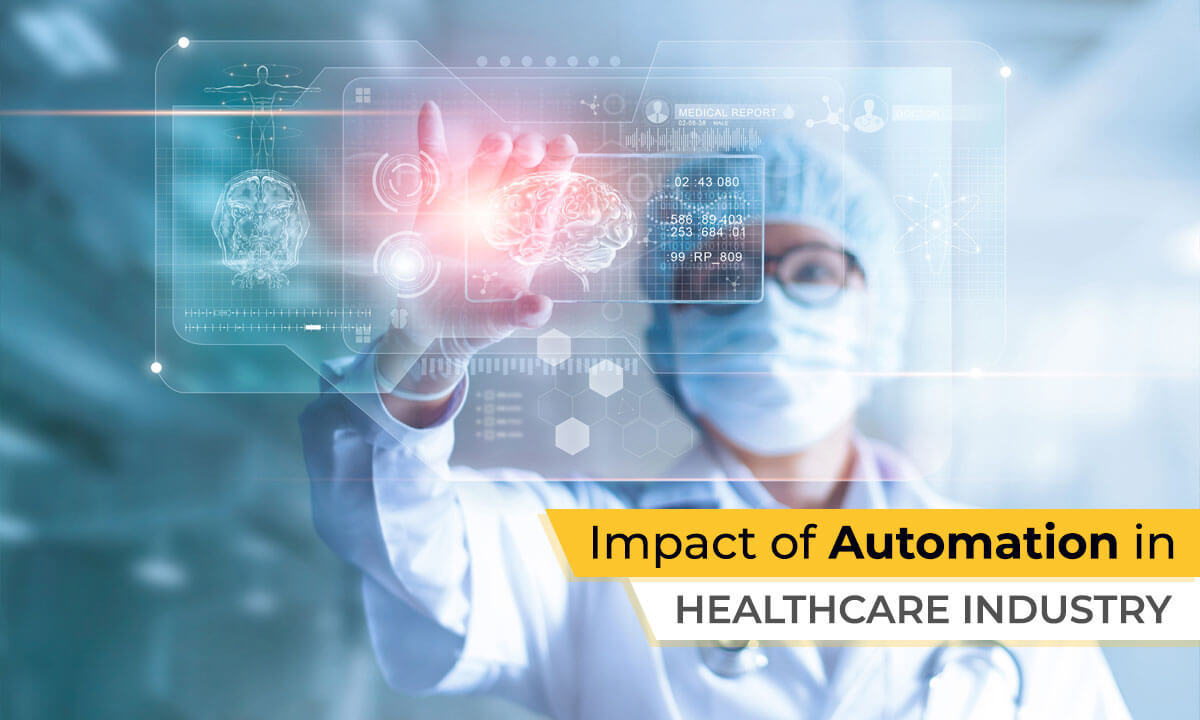
The Rise of Automation in Healthcare
The healthcare industry is constantly evolving, driven by advancements in technology and the increasing need for efficient and cost-effective solutions. Automation, the use of technology to perform tasks with minimal human intervention, is rapidly transforming various aspects of healthcare, from administrative processes to patient care. The impact of automation on the healthcare industry is significant, offering both opportunities and challenges that need careful consideration.
Improved Efficiency and Reduced Costs
One of the most significant benefits of automation in healthcare is improved efficiency. Automated systems can perform repetitive tasks much faster and more accurately than humans, freeing up healthcare professionals to focus on more complex and critical tasks. For example, automated appointment scheduling systems can reduce the workload of administrative staff, while automated dispensing systems can minimize medication errors in pharmacies. This increased efficiency translates into reduced operational costs for healthcare providers.
Streamlining Administrative Tasks
Healthcare administration is often burdened by paperwork and manual processes. Automation can significantly streamline these tasks, reducing errors and improving efficiency. Automated billing systems, for example, can process claims more quickly and accurately than manual systems, reducing the risk of errors and delays. Similarly, automated data entry systems can eliminate the need for manual data entry, freeing up administrative staff to focus on other tasks.
Optimizing Resource Allocation
Automation can also help healthcare providers optimize resource allocation. By analyzing data and predicting demand, automated systems can help hospitals and clinics allocate resources more effectively. For example, automated bed management systems can help hospitals optimize bed occupancy rates, reducing waiting times for patients and improving overall efficiency. Similarly, automated inventory management systems can help hospitals manage their supplies more effectively, reducing waste and ensuring that essential supplies are always available.
Enhanced Patient Care and Safety
Automation has the potential to significantly enhance patient care and safety. Automated monitoring systems can continuously track patients' vital signs, alerting healthcare professionals to any potential problems. Automated medication dispensing systems can reduce the risk of medication errors, ensuring that patients receive the correct medication at the correct dose. And automated diagnostic tools can help healthcare professionals diagnose diseases more quickly and accurately.
Remote Patient Monitoring
Remote patient monitoring (RPM) is a rapidly growing area of healthcare automation. RPM devices can collect data on patients' vital signs, activity levels, and other health metrics, transmitting this data to healthcare providers for analysis. This allows healthcare providers to monitor patients remotely, identifying potential problems early and intervening before they become serious. RPM is particularly beneficial for patients with chronic conditions such as diabetes and heart disease, allowing them to manage their conditions more effectively and avoid hospitalizations.
Robotic Surgery
Robotic surgery is another area where automation is transforming healthcare. Robotic surgical systems allow surgeons to perform complex procedures with greater precision and control, resulting in smaller incisions, less pain, and faster recovery times for patients. Robotic surgery is particularly beneficial for minimally invasive procedures, such as prostatectomies and hysterectomies.
Improved Accuracy and Reduced Errors
Human error is a significant concern in healthcare. Automation can help reduce the risk of human error by performing tasks with greater accuracy and consistency. Automated systems are not subject to fatigue or distraction, and they can be programmed to follow specific protocols and guidelines. This can lead to improved patient safety and better clinical outcomes.
Automated Diagnostics
Automated diagnostic tools can help healthcare professionals diagnose diseases more quickly and accurately. These tools use algorithms and machine learning to analyze medical images and other data, identifying patterns that may be missed by human observers. Automated diagnostics can be particularly helpful in detecting early signs of cancer and other diseases, allowing for earlier treatment and improved outcomes.
Medication Management
Automated medication management systems can help reduce the risk of medication errors. These systems use barcode scanning and other technologies to ensure that patients receive the correct medication at the correct dose. Automated dispensing systems can also help prevent medication errors by dispensing medications in pre-packaged doses, reducing the risk of human error during the dispensing process.
Challenges and Considerations
While automation offers many benefits to the healthcare industry, it also presents some challenges and considerations. One of the biggest challenges is the cost of implementing and maintaining automated systems. Healthcare providers must carefully weigh the costs and benefits of automation before investing in new technologies. Another challenge is the need to train healthcare professionals to use and maintain automated systems. Healthcare providers must invest in training programs to ensure that their staff are able to use these systems effectively.
Data Security and Privacy
Data security and privacy are also important considerations when implementing automation in healthcare. Automated systems collect and store vast amounts of patient data, which must be protected from unauthorized access and misuse. Healthcare providers must implement robust security measures to protect patient data and comply with privacy regulations.
Ethical Considerations
Finally, there are ethical considerations to consider when implementing automation in healthcare. As automation becomes more prevalent, it is important to ensure that these technologies are used in a responsible and ethical manner. Healthcare providers must consider the potential impact of automation on the workforce and ensure that automation is used to augment, rather than replace, human healthcare professionals.

0 Comments