
Investing Doesn't Have to Be Scary (or Expensive!)
Many people believe that investing is only for the wealthy, requiring large sums of money and specialized knowledge. This couldn't be further from the truth! Starting to invest, even with a small amount of capital, is entirely possible and incredibly beneficial for your long-term financial health. This guide will break down how beginners can start investing with little money and build a solid financial future.
Why Start Investing Early?
The power of compounding interest is a game-changer. Compounding refers to earning returns not only on your initial investment but also on the accumulated interest. The earlier you start, the more time your money has to grow exponentially. Even small contributions made consistently over time can result in significant wealth accumulation.
Consider this scenario: Two friends, Sarah and Tom, both want to invest. Sarah starts investing $100 per month at age 25, while Tom waits until he's 35 to start investing $200 per month. Assuming an average annual return of 7%, Sarah, despite investing less per month and for a shorter period overall, will likely have more money than Tom by retirement age due to the earlier start and the power of compounding.
Getting Started: Laying the Foundation
Before diving into the world of investments, it's crucial to establish a solid financial foundation. This includes:
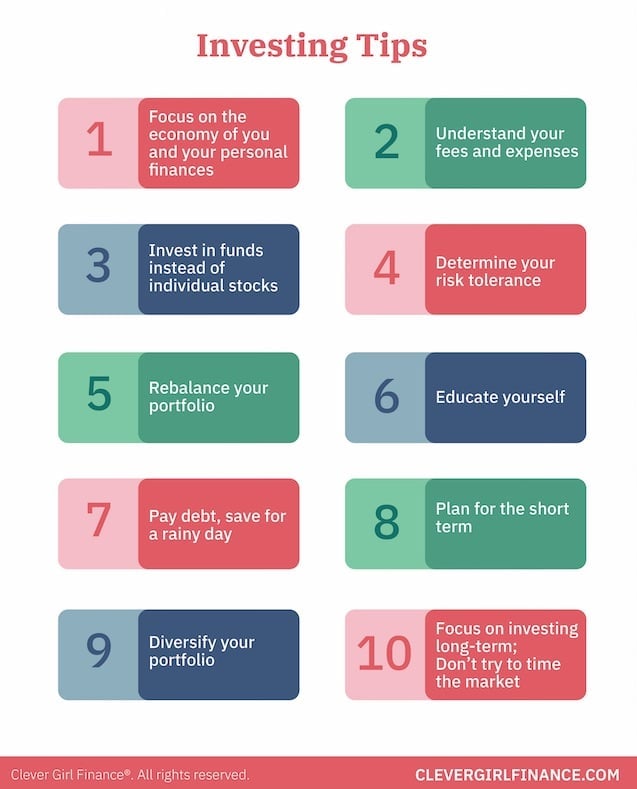
1. Pay Off High-Interest Debt
High-interest debt, such as credit card debt, can significantly hinder your ability to invest effectively. The interest rates on these debts often outweigh the potential returns you could earn through investing. Prioritize paying off high-interest debt before allocating funds to investments.
2. Build an Emergency Fund
An emergency fund serves as a safety net for unexpected expenses such as medical bills, car repairs, or job loss. Aim to save 3-6 months' worth of living expenses in a readily accessible account, like a high-yield savings account. Having an emergency fund prevents you from having to sell investments prematurely to cover unexpected costs, potentially incurring losses.
3. Understand Your Risk Tolerance
Risk tolerance refers to your comfort level with potential investment losses. Some people are comfortable taking on more risk in exchange for potentially higher returns, while others prefer a more conservative approach. Understanding your risk tolerance is essential for choosing investments that align with your comfort level and financial goals. Consider using online risk assessment tools to help determine your risk profile.
Investment Options for Beginners with Little Money
Now that you've established a financial foundation, let's explore some investment options suitable for beginners with limited capital:
1. Stocks (Fractional Shares)
Traditionally, buying stocks required purchasing whole shares, which could be expensive, especially for well-known companies. However, many brokerage platforms now offer fractional shares, allowing you to buy a portion of a share of stock. This means you can invest in companies like Apple, Amazon, or Google with as little as $5 or $10.
When investing in stocks, consider diversifying your portfolio by investing in a variety of companies across different industries. This can help mitigate risk by spreading your investments across multiple assets.
2. Exchange-Traded Funds (ETFs)
ETFs are baskets of stocks, bonds, or other assets that trade on stock exchanges like individual stocks. They offer instant diversification, allowing you to invest in a broad range of assets with a single purchase. Many ETFs have low expense ratios, making them a cost-effective investment option.
Consider investing in broad market ETFs that track indexes like the S&P 500 or the Nasdaq 100. These ETFs provide exposure to a large number of companies, offering diversification and potentially stable returns over the long term.
3. Mutual Funds
Mutual funds are similar to ETFs in that they pool money from multiple investors to invest in a portfolio of assets. However, mutual funds are actively managed by professional fund managers, who make decisions about which assets to buy and sell. Mutual funds typically have higher expense ratios than ETFs due to the active management fees.
When choosing a mutual fund, carefully consider the fund's expense ratio, past performance, and investment strategy. Look for funds with a history of consistent returns and a low expense ratio compared to their peers.
4. Robo-Advisors
Robo-advisors are automated investment platforms that use algorithms to build and manage your investment portfolio based on your risk tolerance, financial goals, and time horizon. They typically offer low fees and require minimal investment amounts, making them a great option for beginners.
Robo-advisors automate the investment process, making it easy to get started and stay on track. They also offer features like automatic rebalancing, which ensures your portfolio remains aligned with your target asset allocation over time.
5. Bonds
Bonds are debt securities issued by governments or corporations. When you buy a bond, you are essentially lending money to the issuer, who agrees to repay the principal amount plus interest over a specified period. Bonds are generally considered less risky than stocks and can provide a stable source of income.
Consider investing in bond ETFs or mutual funds that invest in a diversified portfolio of bonds. This can provide exposure to the bond market without the need to purchase individual bonds.
Tips for Investing with Little Money
1. Invest Consistently
Dollar-cost averaging involves investing a fixed amount of money at regular intervals, regardless of the market conditions. This strategy helps to reduce the risk of buying high and selling low by averaging out your purchase price over time. Even small, consistent investments can add up over the long term.
2. Reinvest Dividends
Many stocks and ETFs pay dividends, which are a portion of the company's profits distributed to shareholders. Reinvesting dividends allows you to purchase additional shares of the stock or ETF, further compounding your returns over time.
3. Take Advantage of Employer-Sponsored Retirement Plans
If your employer offers a 401(k) or other retirement plan, take advantage of it! Many employers offer matching contributions, which is essentially free money. Contributing to your employer-sponsored retirement plan can significantly boost your retirement savings.
4. Stay Informed
Continuously educate yourself about investing and the financial markets. Read books, articles, and blogs, and follow reputable financial news sources. The more you know, the better equipped you'll be to make informed investment decisions.
5. Be Patient and Stay the Course
Investing is a long-term game. Don't get discouraged by short-term market fluctuations. Stay focused on your long-term financial goals and avoid making impulsive decisions based on market volatility. Remember, consistency and patience are key to successful investing.

0 Comments