
Understanding Cryptocurrency Payments
Cryptocurrency payments are becoming increasingly popular as an alternative to traditional banking systems. They offer several advantages, including faster transaction times, lower fees in some cases, and enhanced privacy. Whether you're a business owner looking to accept crypto payments or an individual wanting to send funds to a friend, understanding the process is crucial. This guide will walk you through the steps involved in sending and receiving cryptocurrency payments.
Setting Up Your Cryptocurrency Wallet
Before you can send or receive cryptocurrency, you need a digital wallet. A cryptocurrency wallet is essentially a software program that stores your private keys, which are used to authorize transactions. There are several types of wallets available:
Types of Cryptocurrency Wallets
Choosing the right wallet depends on your needs and security preferences. Here are some common types:
- Software Wallets (Hot Wallets): These are applications you install on your computer or mobile device. They are convenient but generally considered less secure than hardware wallets. Examples include Exodus, Trust Wallet, and Metamask.
- Hardware Wallets (Cold Wallets): These are physical devices that store your private keys offline. They offer the highest level of security but require a purchase. Popular hardware wallets include Ledger and Trezor.
- Web Wallets: These are wallets accessed through a web browser. They are convenient but rely on the security of the website. Examples include Coinbase Wallet and Binance Wallet.
- Paper Wallets: These involve printing your private and public keys on a piece of paper. They are highly secure if stored properly but can be inconvenient to use.
For beginners, a software wallet is often the easiest starting point. Download and install a reputable wallet, and follow the instructions to create a new wallet. Make sure to securely store your recovery phrase (seed phrase), which is essential for recovering your wallet if you lose access.
Finding Your Cryptocurrency Address
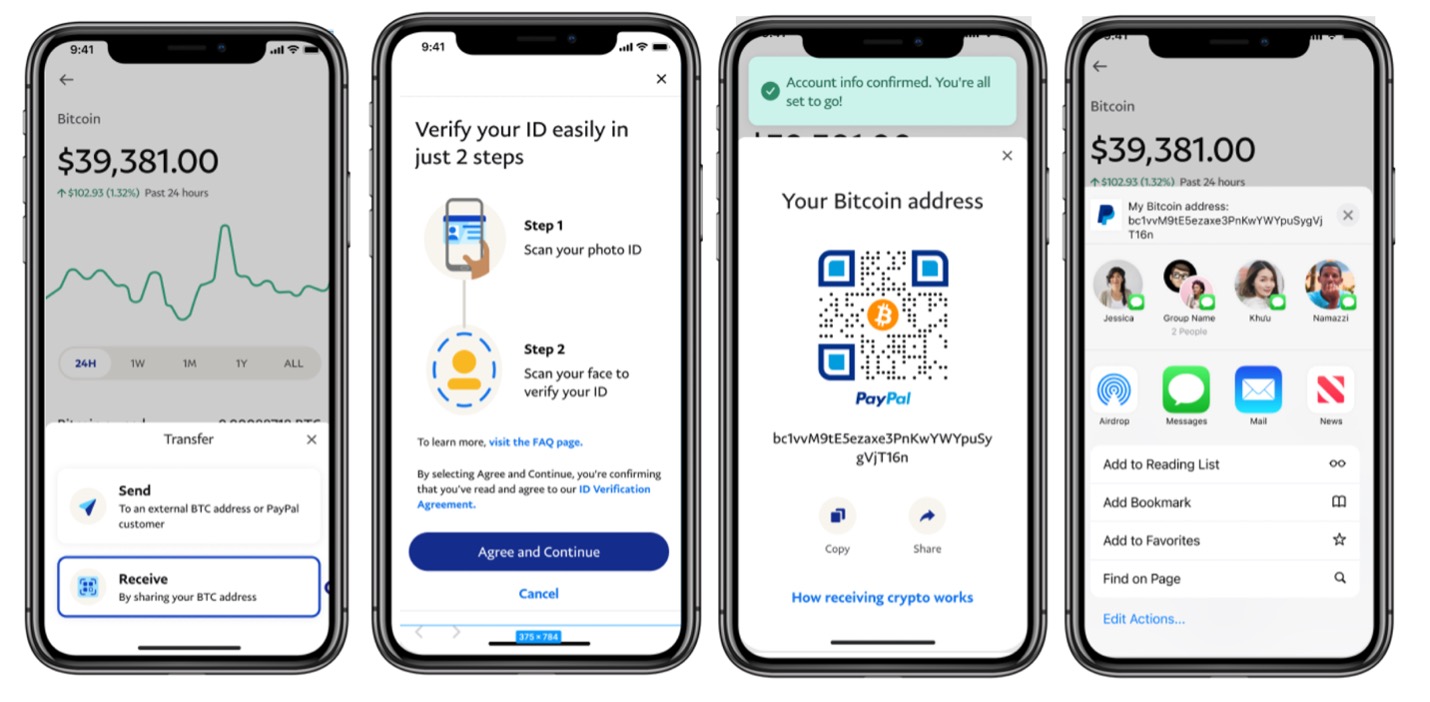
Each cryptocurrency has its own unique address format. Think of it as your account number. To receive cryptocurrency, you need to provide the sender with your public address. This address is a long string of characters and numbers.
How to Find Your Address
Most cryptocurrency wallets make it easy to find your address. Typically, you'll find it under a "Receive" or "Deposit" tab within the wallet interface. The address will usually be specific to the cryptocurrency you want to receive (e.g., Bitcoin, Ethereum, Litecoin). Double-check that you are providing the correct address for the correct cryptocurrency. Sending the wrong cryptocurrency to the wrong address could result in a permanent loss of funds.
For example, if you want to receive Bitcoin, you'll need to find your Bitcoin (BTC) address in your wallet. If you want to receive Ethereum, you'll need your Ethereum (ETH) address.
Sending Cryptocurrency
Sending cryptocurrency involves initiating a transaction from your wallet to the recipient's address. Here's how it generally works:
Steps to Send Cryptocurrency
- Open your cryptocurrency wallet.
- Navigate to the "Send" or "Withdraw" section.
- Enter the recipient's cryptocurrency address. Be extremely careful when entering the address. Even a single incorrect character can result in the loss of your funds. Some wallets allow you to scan a QR code of the recipient's address to avoid manual entry errors.
- Enter the amount of cryptocurrency you want to send.
- Choose the transaction fee. Most wallets allow you to set a transaction fee, which is paid to the network miners to process your transaction. A higher fee typically results in a faster transaction confirmation. However, a lower fee may be sufficient if you're not in a rush. Many wallets offer a suggested fee based on network congestion.
- Review the transaction details carefully. Double-check the recipient's address and the amount you are sending.
- Confirm the transaction. Depending on your wallet, you may need to enter your password or use biometric authentication (e.g., fingerprint or facial recognition).
Once you confirm the transaction, it will be broadcast to the cryptocurrency network for processing. The time it takes for the transaction to be confirmed depends on the network congestion and the transaction fee you paid.
Receiving Cryptocurrency
Receiving cryptocurrency is much simpler than sending it. All you need to do is provide the sender with your public address. Once they send the cryptocurrency, it will be deposited into your wallet after the transaction is confirmed on the blockchain.
What to Expect When Receiving Cryptocurrency
- Provide the sender with your correct cryptocurrency address.
- Wait for the sender to initiate the transaction.
- Check your wallet for the incoming transaction. Most wallets will display a pending transaction as soon as it is broadcast to the network.
- Wait for the transaction to be confirmed on the blockchain. The number of confirmations required depends on the cryptocurrency and the exchange or service you are using. Bitcoin typically requires at least 6 confirmations.
- Once the transaction is confirmed, the cryptocurrency will be available in your wallet.
It's important to note that some wallets may not immediately show the incoming transaction. If you're expecting a payment and don't see it in your wallet, double-check with the sender to ensure they sent it to the correct address and that the transaction has been broadcast to the network. You can also use a blockchain explorer (e.g., Blockchain.com for Bitcoin, Etherscan for Ethereum) to search for the transaction using your address.
Security Best Practices for Cryptocurrency Payments
Security is paramount when dealing with cryptocurrency. Here are some essential security best practices:
Protecting Your Cryptocurrency
- Use a strong, unique password for your wallet.
- Enable two-factor authentication (2FA) whenever possible. This adds an extra layer of security by requiring a second verification code in addition to your password.
- Store your recovery phrase (seed phrase) securely offline. This is the key to recovering your wallet if you lose access. Do not store it on your computer or in the cloud. Consider writing it down on paper and storing it in a safe place.
- Be wary of phishing scams. Never click on suspicious links or enter your private keys or recovery phrase on untrusted websites.
- Keep your software up to date. Regularly update your wallet software and operating system to patch security vulnerabilities.
- Consider using a hardware wallet for long-term storage of significant amounts of cryptocurrency.
- Always double-check the recipient's address before sending cryptocurrency.
- Use a reputable cryptocurrency wallet. Research the wallet's security features and track record before using it.
Conclusion
Sending and receiving cryptocurrency payments can seem daunting at first, but with a little practice and understanding, it can become a straightforward process. By following the steps outlined in this guide and adhering to security best practices, you can confidently navigate the world of cryptocurrency payments. Remember to always double-check addresses, protect your private keys, and stay informed about the latest security threats.

0 Comments