
Navigating Student Loan Debt After Graduation: A Comprehensive Guide
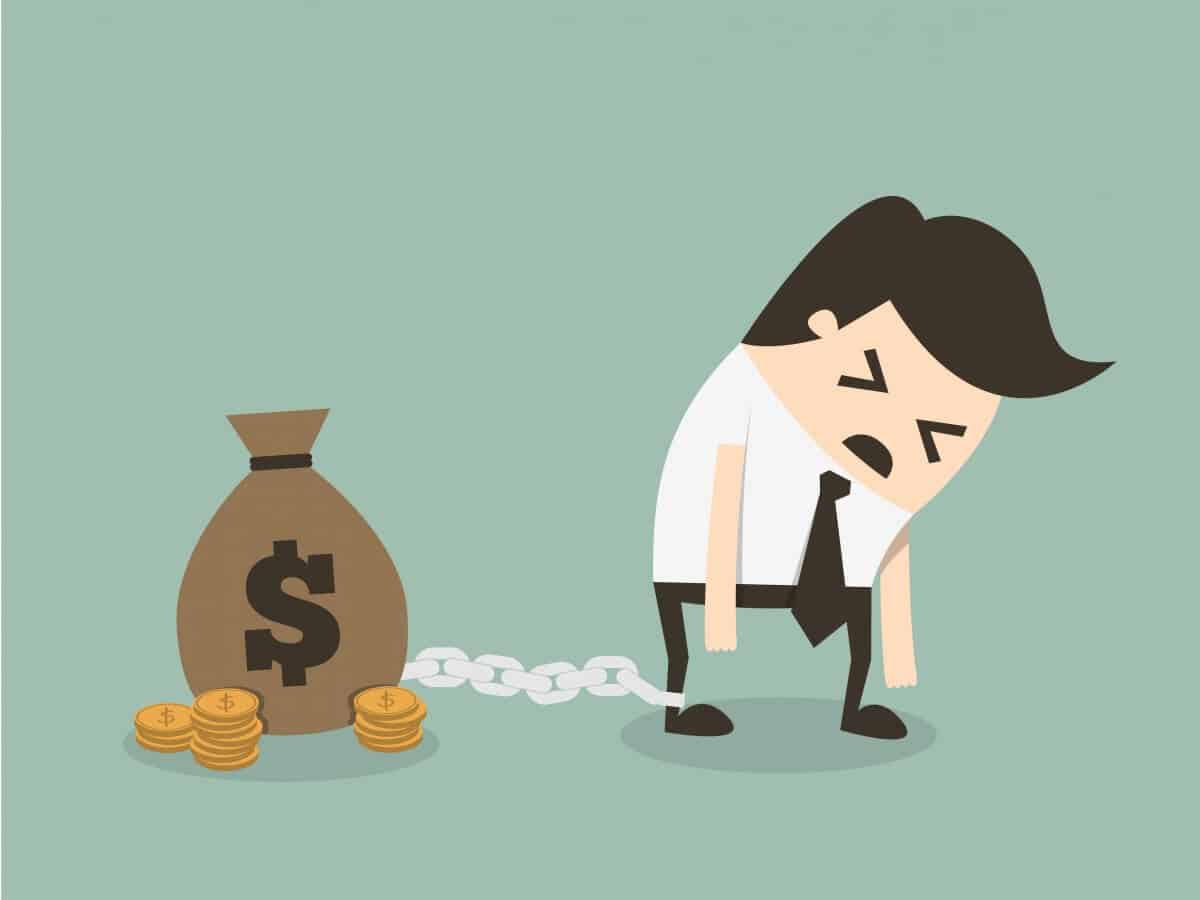
Graduation is a momentous occasion, marking the culmination of years of hard work and dedication. However, for many graduates, the excitement is often tempered by the looming reality of student loan debt. Managing and reducing this debt effectively is crucial for establishing a solid financial foundation. This guide provides actionable strategies to help you navigate the complexities of student loan repayment and minimize your financial burden.
Understanding Your Student Loans
Before you can tackle your student loan debt, it's essential to understand the details of your loans. This includes knowing the type of loans you have (federal or private), the interest rates, the loan terms, and the total amount you owe. Gather all your loan documents and create a spreadsheet to track this information. This will give you a clear picture of your financial obligations and help you make informed decisions.
Federal vs. Private Loans
Federal student loans are issued by the U.S. Department of Education and offer various benefits, such as income-driven repayment plans and loan forgiveness programs. Private student loans, on the other hand, are issued by private lenders like banks and credit unions. They typically have fewer repayment options and less flexibility than federal loans. Knowing the difference is crucial for determining your repayment strategy.
Interest Rates and Loan Terms
The interest rate on your student loans significantly impacts the total amount you'll repay over time. Higher interest rates mean you'll accrue more interest, increasing your overall debt. The loan term also affects your monthly payments and the total interest paid. Shorter loan terms result in higher monthly payments but less interest paid over the life of the loan, while longer loan terms offer lower monthly payments but more interest paid.
Exploring Repayment Options
One of the most important steps in managing student loan debt is exploring the various repayment options available. Federal student loans offer a range of repayment plans tailored to different financial situations. Understanding these options can help you choose a plan that aligns with your income and goals.
Standard Repayment Plan
The standard repayment plan is a fixed payment plan that typically lasts for 10 years. It's the most straightforward option and results in the lowest total interest paid over the life of the loan. However, the monthly payments can be higher compared to other plans.
Graduated Repayment Plan
The graduated repayment plan starts with lower monthly payments that gradually increase over time, typically every two years. This plan can be beneficial for graduates who anticipate their income will increase in the future. The repayment period is usually 10 years.
Income-Driven Repayment (IDR) Plans
Income-driven repayment (IDR) plans are designed to make loan payments more affordable by basing them on your income and family size. There are several IDR plans available, including:
- Income-Based Repayment (IBR): Payments are capped at a percentage of your discretionary income.
- Pay As You Earn (PAYE): Payments are capped at a percentage of your discretionary income, and the loan is forgiven after a certain number of years.
- Revised Pay As You Earn (REPAYE): Similar to PAYE, but available to a wider range of borrowers.
- Income-Contingent Repayment (ICR): Payments are based on your income, family size, and the total amount of your student loans.
IDR plans can be a good option if you have a low income or high debt relative to your income. However, it's important to note that you'll likely pay more interest over the life of the loan compared to the standard repayment plan, and any amount forgiven may be subject to income tax.
Strategies for Reducing Your Debt Faster
Beyond choosing the right repayment plan, there are several strategies you can implement to reduce your student loan debt faster and save money on interest.
Making Extra Payments
One of the most effective ways to reduce your debt is to make extra payments whenever possible. Even small extra payments can significantly impact the total interest you pay and shorten the repayment period. Consider setting up automatic extra payments or putting any unexpected income, such as bonuses or tax refunds, towards your student loans.
Refinancing Your Student Loans
Refinancing involves taking out a new loan with a lower interest rate to pay off your existing student loans. This can save you money on interest and potentially lower your monthly payments. However, refinancing federal student loans into private loans means you'll lose access to federal benefits, such as income-driven repayment plans and loan forgiveness programs. Carefully weigh the pros and cons before refinancing.
Loan Forgiveness Programs
Certain professions and circumstances may qualify you for student loan forgiveness programs. These programs can forgive a portion or all of your student loan debt after a certain period of qualifying employment. Some common loan forgiveness programs include:
- Public Service Loan Forgiveness (PSLF): Forgives the remaining balance on Direct Loans after 120 qualifying monthly payments made under a qualifying repayment plan while working full-time for a qualifying employer, such as a government organization or a non-profit organization.
- Teacher Loan Forgiveness: Offers forgiveness of up to $17,500 on Direct Loans or FFEL Program loans for qualified teachers who teach full-time for five consecutive years in a low-income school.
Research and understand the eligibility requirements for these programs to see if you qualify. Applying for loan forgiveness can potentially eliminate a significant portion of your debt.
Budgeting and Saving
Creating a budget and tracking your expenses is essential for managing your finances and freeing up money to put towards your student loans. Identify areas where you can cut back on spending, such as dining out, entertainment, or subscriptions. Use budgeting apps or spreadsheets to monitor your income and expenses and set financial goals.
Increasing Your Income
Increasing your income can provide you with more resources to pay down your student loan debt. Consider pursuing opportunities for career advancement, such as promotions or raises. You can also explore side hustles or part-time jobs to supplement your income. Every extra dollar you earn can be put towards your student loans, accelerating your debt repayment.
Seeking Professional Advice
Managing student loan debt can be complex, and it's often beneficial to seek professional advice from a financial advisor or student loan counselor. These professionals can provide personalized guidance based on your specific financial situation and help you navigate the various repayment options and strategies.
Staying Informed and Proactive
The student loan landscape is constantly evolving, so it's important to stay informed about changes in regulations, repayment options, and loan forgiveness programs. Subscribe to newsletters, follow reputable financial websites, and attend webinars to stay up-to-date on the latest developments. By staying proactive and informed, you can make informed decisions about your student loan debt and take control of your financial future.

0 Comments