
Understanding Identity Theft: A Growing Threat
Identity theft occurs when someone steals your personal information, such as your Social Security number, credit card details, or bank account information, and uses it without your permission. They might use this information to open credit accounts, file taxes, get medical treatment, or even commit crimes, all under your name. The consequences can be devastating, including damaged credit, financial loss, and significant emotional distress. In today's digital age, where so much of our personal information is stored online, the risk of identity theft is higher than ever.
Recognizing the Signs of Identity Theft
Being proactive in monitoring your accounts and personal information can help you spot identity theft early. Here are some common warning signs to watch out for:
- Unexplained charges on your credit card or bank statements: Review your statements regularly for any transactions you don't recognize.
- Missing bills or other mail: This could indicate that someone has changed your address and is intercepting your mail.
- Denials of credit or loans: If you are denied credit unexpectedly, it could be a sign that someone has opened accounts in your name.
- Notices from the IRS or other government agencies: Receiving notices about taxes you didn't file or benefits you didn't apply for is a red flag.
- Unfamiliar accounts or debts on your credit report: Obtain a copy of your credit report from all three major credit bureaus (Equifax, Experian, and TransUnion) and review it carefully for any discrepancies. You can get a free credit report annually from AnnualCreditReport.com.
Practical Steps to Prevent Identity Theft
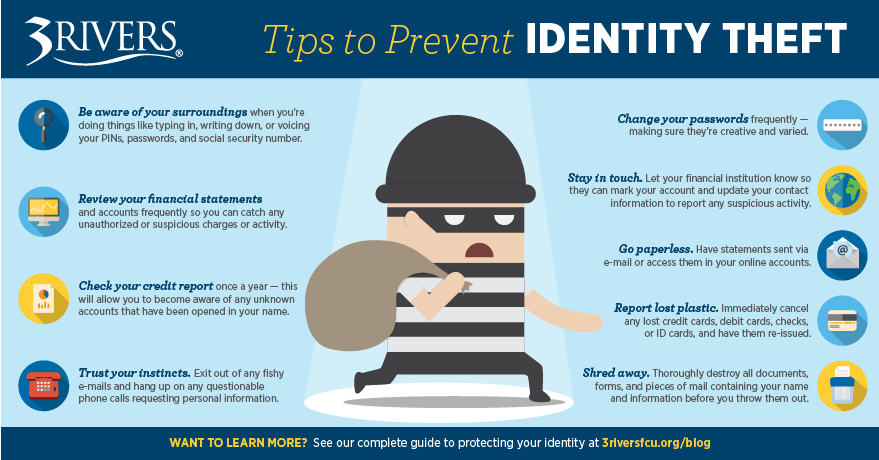
Preventing identity theft requires a multi-faceted approach, combining safe online practices, physical security measures, and diligent monitoring. Here are some concrete steps you can take to protect yourself:
Protecting Your Personal Information Online
The internet is a prime hunting ground for identity thieves. Follow these guidelines to minimize your online risk:
- Use strong, unique passwords for all your online accounts: Avoid using the same password for multiple accounts. Use a combination of uppercase and lowercase letters, numbers, and symbols. Consider using a password manager to securely store and generate complex passwords.
- Be wary of phishing emails and websites: Phishing attempts often impersonate legitimate organizations to trick you into providing personal information. Never click on links or open attachments from suspicious emails. Always verify the legitimacy of a website before entering any sensitive information. Look for the "https" in the website address and a padlock icon in the address bar, which indicates a secure connection.
- Secure your home Wi-Fi network: Use a strong password and enable encryption (WPA2 or WPA3) on your router. Consider enabling the firewall on your router for added security.
- Be careful what you share on social media: Avoid sharing sensitive information such as your address, phone number, or birthday publicly. Identity thieves can use this information to impersonate you or access your accounts.
- Keep your software updated: Regularly update your operating system, web browser, and antivirus software to patch security vulnerabilities.
- Use a virtual private network (VPN) when using public Wi-Fi: Public Wi-Fi networks are often unsecured, making them vulnerable to eavesdropping. A VPN encrypts your internet traffic, protecting your data from being intercepted.
- Enable two-factor authentication (2FA) whenever possible: 2FA adds an extra layer of security to your accounts by requiring a second form of verification, such as a code sent to your phone, in addition to your password.
Safeguarding Your Physical Documents
Protecting your physical documents is equally important as securing your online information:
- Shred sensitive documents: Shred documents containing personal information, such as bank statements, credit card bills, and medical records, before discarding them. Use a cross-cut shredder for maximum security.
- Protect your Social Security card: Keep your Social Security card in a safe place and only provide your Social Security number when absolutely necessary.
- Be careful with your mail: Collect your mail promptly and consider using a locked mailbox to prevent theft. If you are going on vacation, put a hold on your mail delivery.
- Secure your wallet or purse: Keep your wallet or purse in a safe place and be aware of your surroundings when using ATMs or paying with credit cards.
- Be mindful of skimming devices: Skimming devices are used to steal credit card information at ATMs and point-of-sale terminals. Inspect ATMs and card readers for any signs of tampering before using them.
Monitoring Your Credit and Financial Accounts
Regularly monitoring your credit and financial accounts is crucial for detecting and addressing identity theft quickly:
- Check your credit report regularly: As mentioned earlier, you can get a free credit report annually from each of the three major credit bureaus. Review your credit report carefully for any inaccuracies or suspicious activity.
- Monitor your bank and credit card statements: Review your statements regularly for any unauthorized transactions.
- Sign up for account alerts: Many banks and credit card companies offer account alerts that notify you of suspicious activity, such as large withdrawals or purchases.
- Consider a credit freeze: A credit freeze restricts access to your credit report, making it more difficult for identity thieves to open new accounts in your name. You can freeze and unfreeze your credit report for free.
Responding to Identity Theft
If you suspect that you are a victim of identity theft, take immediate action to minimize the damage:
- Report the identity theft to the Federal Trade Commission (FTC): File a report with the FTC at IdentityTheft.gov. This report will help you create an identity theft affidavit, which you can use to dispute fraudulent accounts and transactions.
- Contact the credit bureaus: Place a fraud alert on your credit report and request copies of your credit reports from all three major credit bureaus.
- Contact your bank and credit card companies: Report any unauthorized transactions and close any accounts that have been compromised.
- File a police report: File a police report with your local law enforcement agency.
- Change your passwords: Change the passwords for all your online accounts, especially those that may have been compromised.
By taking these preventive measures and acting quickly if you suspect identity theft, you can significantly reduce your risk and protect your personal information in today's increasingly digital world. Staying informed and vigilant is key to safeguarding your identity and financial well-being.

0 Comments