
Understanding Self-Directed IRAs and Stock Investing
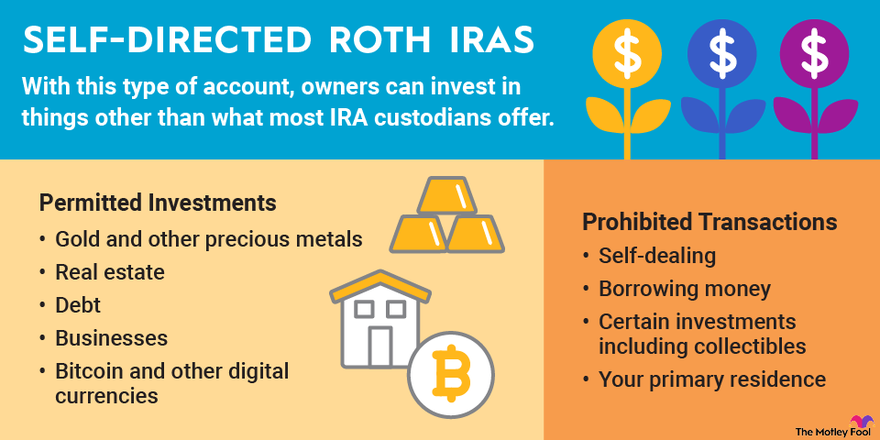
Investing for retirement is a crucial aspect of financial planning, and a Self-Directed IRA (SDIRA) offers a unique avenue for diversifying your portfolio. Unlike traditional IRAs that typically limit investment options to stocks, bonds, and mutual funds offered by a brokerage firm, an SDIRA allows you to invest in a wider range of assets, including real estate, private equity, and, importantly, stocks.
This guide will walk you through the process of investing in stocks through a Self-Directed IRA, highlighting the benefits, risks, and essential steps involved.
What is a Self-Directed IRA?
A Self-Directed IRA is a type of retirement account that gives you more control over your investment decisions. The key difference between a traditional IRA and an SDIRA lies in the custodian. Traditional IRAs are managed by brokerage firms or banks, which limit your investment choices. SDIRAs, on the other hand, are held by specialized custodians who allow you to invest in alternative assets.
This greater flexibility allows you to potentially achieve higher returns and diversify your retirement portfolio beyond the typical offerings of traditional investment accounts. However, it also requires a more hands-on approach and a deeper understanding of the investment landscape.
Why Invest in Stocks Through a Self-Directed IRA?
Investing in stocks through an SDIRA offers several potential advantages:
- Tax Benefits: Like traditional IRAs, contributions to a traditional SDIRA may be tax-deductible, and your investments grow tax-deferred. Roth SDIRAs offer tax-free withdrawals in retirement, provided certain conditions are met.
- Greater Control: You have direct control over your investment decisions, allowing you to choose individual stocks or build a portfolio that aligns with your specific investment goals and risk tolerance.
- Diversification: While traditional IRAs offer diversification through mutual funds, an SDIRA allows you to further diversify your portfolio by including stocks that may not be readily available through traditional brokerage accounts.
- Potential for Higher Returns: By carefully selecting individual stocks, you may have the potential to achieve higher returns compared to passively managed mutual funds.
Steps to Invest in Stocks Through a Self-Directed IRA
1. Choose a Self-Directed IRA Custodian
The first step is to select a reputable Self-Directed IRA custodian. Not all custodians offer the same services or have the same fee structures. Research different custodians and compare their offerings, fees, and customer service reviews. Look for a custodian that has experience handling stock investments and a secure platform for managing your account.
Key factors to consider when choosing a custodian include:
- Fees: Understand the custodian's fee structure, including account setup fees, annual fees, transaction fees, and any other associated costs.
- Investment Options: Ensure the custodian allows you to invest in the types of stocks you are interested in.
- Customer Service: Read reviews and testimonials to gauge the custodian's customer service quality.
- Security: Verify that the custodian has robust security measures in place to protect your account and personal information.
2. Fund Your Self-Directed IRA
Once you have chosen a custodian, you will need to fund your SDIRA. You can do this through a direct contribution, a rollover from an existing IRA or 401(k), or a transfer from another retirement account. Keep in mind the annual contribution limits set by the IRS.
Contribution Limits: Stay updated on the IRS's annual contribution limits for IRAs. Exceeding these limits can result in penalties.
Rollovers and Transfers: If you are rolling over or transferring funds from another retirement account, ensure you follow the correct procedures to avoid triggering taxes or penalties.
3. Open a Brokerage Account within Your SDIRA
While the SDIRA custodian holds your retirement funds, you'll typically need a brokerage account to actually buy and sell stocks. The SDIRA custodian will likely have relationships with certain brokerage firms or allow you to choose your own, as long as they meet the custodian's requirements. This brokerage account will be held within the SDIRA, and all investment decisions must be made by you, the account holder, and directed through the custodian.
Important considerations for the brokerage account:
- Commission Fees: Compare the commission fees charged by different brokerage firms. Look for firms with low or zero commission fees to minimize your trading costs.
- Trading Platform: Evaluate the brokerage firm's trading platform and ensure it is user-friendly and offers the tools and resources you need to make informed investment decisions.
- Research Tools: Look for a brokerage firm that provides access to research reports, market data, and other resources to help you analyze stocks.
4. Research and Select Stocks
This is where your investment expertise comes into play. Thoroughly research potential stock investments before making any decisions. Consider factors such as the company's financial performance, industry trends, competitive landscape, and overall market conditions.
Due Diligence is Key: Before investing in any stock, conduct thorough due diligence. Read company reports, analyze financial statements, and stay informed about industry news and trends.
Consider Your Risk Tolerance: Evaluate your risk tolerance and choose stocks that align with your comfort level. If you are risk-averse, you may want to focus on established companies with a history of stable earnings. If you are comfortable with higher risk, you may consider investing in growth stocks or emerging companies.
5. Direct Your Custodian to Purchase Stocks
Once you have identified the stocks you want to invest in, you must instruct your SDIRA custodian to make the purchase. You cannot directly buy or sell stocks within your SDIRA. Instead, you will provide your custodian with written instructions, including the stock symbol, the number of shares you want to purchase, and the brokerage account to use.
Proper Documentation: Ensure you provide your custodian with clear and accurate instructions. Keep copies of all transaction requests for your records.
Custodian Approval: Your custodian will review your request to ensure it complies with IRS regulations and their internal policies. They may reject your request if it violates any rules or regulations.
6. Monitor Your Investments and Rebalance Your Portfolio
After you have purchased stocks through your SDIRA, it is important to regularly monitor your investments and rebalance your portfolio as needed. Market conditions can change, and your investment goals may evolve over time. Rebalancing involves selling some of your existing holdings and buying others to maintain your desired asset allocation.
Regular Portfolio Reviews: Schedule regular portfolio reviews to assess the performance of your investments and make any necessary adjustments.
Stay Informed: Stay informed about market trends and company news that could impact your stock holdings.
Potential Risks and Considerations
While investing in stocks through an SDIRA can be a rewarding strategy, it is important to be aware of the potential risks and considerations:
- Complexity: SDIRAs are more complex than traditional IRAs and require a greater understanding of investment regulations and compliance.
- Due Diligence: You are responsible for conducting your own due diligence on all investment opportunities. Your custodian is not responsible for vetting your investment choices.
- IRS Regulations: Violating IRS regulations can result in penalties or disqualification of your SDIRA.
- Liquidity: Some alternative assets, such as real estate, may be less liquid than stocks and bonds.
- Fees: SDIRA custodians typically charge higher fees than traditional IRA custodians.

0 Comments