
Understanding Your Investment Landscape
Investing in the stock market can feel daunting, but it's a powerful tool for building long-term wealth. A crucial aspect of successful investing is tailoring your strategy to your age and risk tolerance. What works for a 20-year-old might not be suitable for someone approaching retirement. This article will guide you through creating a stock investment plan that aligns with your specific circumstances.
Assessing Your Risk Tolerance
Before diving into stock selection, it's essential to understand your risk tolerance. Risk tolerance refers to your comfort level with potential investment losses in exchange for the possibility of higher returns. Several factors influence your risk tolerance, including your age, financial situation, investment goals, and personality.
Determining Your Risk Profile
Ask yourself the following questions to gauge your risk tolerance:
- How would you react to a significant drop in your portfolio's value? Would you panic and sell, or would you see it as a buying opportunity?
- What are your investment goals? Are you saving for retirement, a down payment on a house, or another long-term goal?
- What is your time horizon? How long do you have until you need the money you're investing?
- What is your financial situation? Do you have a stable income, emergency savings, and manageable debt?
Based on your answers, you can classify yourself into one of the following risk profiles:
- Conservative: You prioritize preserving capital and are uncomfortable with significant losses.
- Moderate: You are willing to accept some risk to achieve higher returns.
- Aggressive: You are comfortable with higher risk in pursuit of potentially higher returns.
Investing by Age Group
Your age plays a significant role in determining your investment strategy. As you age, your time horizon shrinks, and your risk tolerance may decrease.
Investing in Your 20s and 30s: The Power of Time
When you're young, you have time on your side. This allows you to take on more risk and potentially earn higher returns over the long term. Consider these strategies:
- High Allocation to Stocks: Allocate a significant portion of your portfolio to stocks (e.g., 80-90%). Stocks have historically outperformed other asset classes over long periods.
- Focus on Growth Stocks: Explore growth stocks, which are companies expected to grow at a faster rate than the overall market. These stocks can be more volatile but offer the potential for significant gains.
- Consider Small-Cap and Mid-Cap Stocks: These stocks have the potential for higher growth compared to large-cap stocks.
- Take Advantage of Dollar-Cost Averaging: Invest a fixed amount of money regularly, regardless of market fluctuations. This helps you buy more shares when prices are low and fewer shares when prices are high, reducing the impact of market volatility.
- Invest in Retirement Accounts: Maximize contributions to tax-advantaged retirement accounts like 401(k)s and Roth IRAs.
Examples of investments for this age group include: Growth stock ETFs, small-cap ETFs, and individual stocks in sectors with high growth potential like technology or renewable energy.
Investing in Your 40s and 50s: Balancing Growth and Stability
As you approach your 40s and 50s, you may want to adjust your investment strategy to balance growth with stability. Your time horizon is shorter than in your 20s and 30s, so you may want to reduce your risk exposure. Consider these strategies:
- Diversify Your Portfolio: Diversify your portfolio across different asset classes, including stocks, bonds, and real estate. This helps reduce risk and improve overall returns.
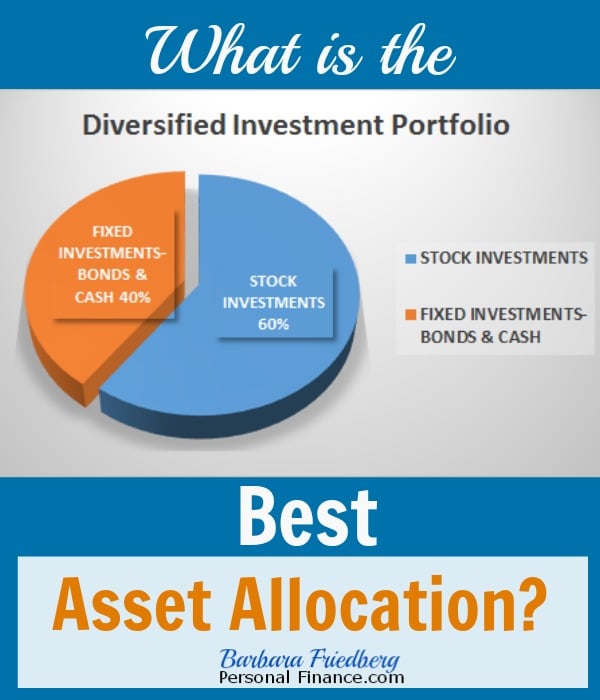
- Reduce Your Stock Allocation: Gradually reduce your stock allocation to around 60-70% of your portfolio.
- Consider Value Stocks: Explore value stocks, which are stocks that are undervalued by the market. These stocks can provide more stability than growth stocks.
- Increase Your Bond Allocation: Increase your allocation to bonds, which are generally less volatile than stocks.
- Rebalance Your Portfolio Regularly: Rebalance your portfolio periodically to maintain your desired asset allocation.
Examples of investments for this age group include: Balanced mutual funds, dividend stock ETFs, and bond ETFs.
Investing in Retirement (60s and Beyond): Prioritizing Income and Preservation
In retirement, your primary goal is to generate income and preserve your capital. Your risk tolerance is typically lower, as you have less time to recover from potential losses. Consider these strategies:
- Lower Stock Allocation: Reduce your stock allocation to around 30-50% of your portfolio.
- Focus on Income-Generating Investments: Invest in dividend-paying stocks, bonds, and other income-generating assets.
- Consider Annuities: Annuities can provide a guaranteed stream of income in retirement.
- Manage Withdrawal Rates Carefully: Withdraw funds from your portfolio at a sustainable rate to avoid running out of money.
- Consider Inflation Protection: Invest in assets that can protect against inflation, such as Treasury Inflation-Protected Securities (TIPS).
Examples of investments for this age group include: High-dividend stock ETFs, bond ladders, and real estate investment trusts (REITs).
Specific Stock Investment Strategies Based on Risk Tolerance
Beyond age, your individual risk tolerance should heavily influence the types of stocks you choose.
Conservative Investors
If you are a conservative investor, prioritize stability and income. Consider these options:
- Blue-Chip Stocks: Invest in well-established companies with a history of consistent earnings and dividends.
- Dividend Aristocrats: Focus on companies that have consistently increased their dividends for at least 25 years.
- Utility Stocks: Utility companies provide essential services and tend to be less volatile than other sectors.
- Consider ETFs with a low expense ratio: Opt for broad market ETFs with a focus on large-cap, value stocks.
Moderate Investors
If you are a moderate investor, you can tolerate some risk for the potential of higher returns. Consider these options:
- Diversified Stock ETFs: Invest in ETFs that track the S&P 500 or other broad market indexes.
- Growth and Value Blend: Allocate a portion of your portfolio to both growth and value stocks.
- Sector ETFs: Explore sector ETFs that focus on industries with growth potential, such as technology or healthcare.
- Consider actively managed funds: With a moderate risk tolerance, you may benefit from an experienced fund manager making strategic decisions.
Aggressive Investors
If you are an aggressive investor, you are comfortable with higher risk in pursuit of potentially higher returns. Consider these options:
- Small-Cap and Mid-Cap Stocks: Invest in smaller companies with higher growth potential.
- Growth Stocks: Focus on companies that are expected to grow at a faster rate than the overall market.
- International Stocks: Explore international stocks, particularly in emerging markets.
- Individual Stock Selection: Research and select individual stocks based on your own analysis. Be prepared to do your homework and accept higher volatility.
Important Considerations
Regardless of your age or risk tolerance, keep these important considerations in mind:
- Start Early: The earlier you start investing, the more time your money has to grow.
- Stay Disciplined: Stick to your investment plan and avoid making emotional decisions based on market fluctuations.
- Rebalance Regularly: Rebalance your portfolio periodically to maintain your desired asset allocation.
- Seek Professional Advice: Consider consulting with a financial advisor to create a personalized investment plan.
- Continuously Learn: Stay informed about the stock market and investment strategies.
Investing in stocks is a long-term game. By understanding your age, risk tolerance, and investment goals, you can create a strategy that helps you achieve your financial objectives.

0 Comments